
About This Book
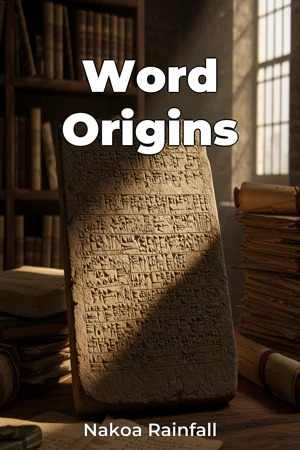
Have you ever considered the hidden histories contained within the words you use every day? This book, "Word Origins," explores the fascinating and often surprising journeys of language, revealing how words evolve, adapt, and reflect the cultures that shape them. We will delve into the etymological roots of common terms, tracing their development across centuries and continents. Understanding these roots not only enriches our appreciation for language but also provides a unique lens through which to view history and cultural exchange. This study is important because language is not static; it is a living, breathing entity constantly in flux. By understanding how languages change, we gain insights into the migrations, conquests, and cultural interactions that have defined human civilization. Furthermore, the influence of different cultures on language highlights the interconnectedness of societies and the constant exchange of ideas. "Word Origins" argues that etymology is a powerful tool for unlocking historical narratives and understanding cultural dynamics. The book begins by laying the groundwork for etymological exploration, explaining fundamental concepts like cognates, loanwords, and sound shifts. It provides a concise overview of historical linguistics, giving you the necessary tools to understand the mechanisms by which languages evolve. We then embark on a detailed exploration of several key themes. The etymology of words related to trade and commerce illustrates the spread of goods and ideas across ancient trade routes. Another section focuses on words derived from mythology and folklore, revealing the enduring influence of ancient beliefs on modern language. We examine the impact of major historical events, such as the Roman conquest or the Viking invasions, on the linguistic landscape of Europe. The evidence presented is drawn from a wide range of sources, including historical texts, linguistic databases, archaeological findings, and comparative analyses of different languages. The book also integrates insights from related fields, such as history, anthropology, and sociology, to provide a comprehensive understanding of the forces that shape language. For example, the book examines how trade impacts language. The exchange of goods and services between cultures often leads to the adoption of new words. The book connects to history by showing how major historical events and cultural shifts have influenced the evolution of languages and the meanings of words. It connects to anthropology by examining how cultural practices, beliefs, and social structures are encoded in language. This book offers a unique perspective by combining rigorous linguistic analysis with engaging storytelling. It avoids technical jargon and presents complex information in an accessible and entertaining manner. Intended for a broad audience, including students, educators, history buffs, and anyone with a general interest in language, "Word Origins" offers a valuable resource for expanding knowledge and enriching understanding of the world around us. It aligns with the conventions of both History and Language Arts General genres by providing factual information, clear explanations, and engaging examples. While comprehensive, the book primarily focuses on the etymology of words in the English language, with a particular emphasis on its Indo-European roots. While it acknowledges the diversity of world languages, a detailed exploration of non-Indo-European languages is beyond its scope. Ultimately, "Word Origins" demonstrates that the study of etymology is not merely an academic exercise but a dynamic exploration of human history and culture. It offers practical insights into the power of language, enriching our communication and critical thinking skills. The book explores ongoing debates within the field of etymology, such as the challenges of reconstructing ancient languages and the controversies surrounding the origins of certain words.
Have you ever considered the hidden histories contained within the words you use every day? This book, "Word Origins," explores the fascinating and often surprising journeys of language, revealing how words evolve, adapt, and reflect the cultures that shape them. We will delve into the etymological roots of common terms, tracing their development across centuries and continents. Understanding these roots not only enriches our appreciation for language but also provides a unique lens through which to view history and cultural exchange. This study is important because language is not static; it is a living, breathing entity constantly in flux. By understanding how languages change, we gain insights into the migrations, conquests, and cultural interactions that have defined human civilization. Furthermore, the influence of different cultures on language highlights the interconnectedness of societies and the constant exchange of ideas. "Word Origins" argues that etymology is a powerful tool for unlocking historical narratives and understanding cultural dynamics. The book begins by laying the groundwork for etymological exploration, explaining fundamental concepts like cognates, loanwords, and sound shifts. It provides a concise overview of historical linguistics, giving you the necessary tools to understand the mechanisms by which languages evolve. We then embark on a detailed exploration of several key themes. The etymology of words related to trade and commerce illustrates the spread of goods and ideas across ancient trade routes. Another section focuses on words derived from mythology and folklore, revealing the enduring influence of ancient beliefs on modern language. We examine the impact of major historical events, such as the Roman conquest or the Viking invasions, on the linguistic landscape of Europe. The evidence presented is drawn from a wide range of sources, including historical texts, linguistic databases, archaeological findings, and comparative analyses of different languages. The book also integrates insights from related fields, such as history, anthropology, and sociology, to provide a comprehensive understanding of the forces that shape language. For example, the book examines how trade impacts language. The exchange of goods and services between cultures often leads to the adoption of new words. The book connects to history by showing how major historical events and cultural shifts have influenced the evolution of languages and the meanings of words. It connects to anthropology by examining how cultural practices, beliefs, and social structures are encoded in language. This book offers a unique perspective by combining rigorous linguistic analysis with engaging storytelling. It avoids technical jargon and presents complex information in an accessible and entertaining manner. Intended for a broad audience, including students, educators, history buffs, and anyone with a general interest in language, "Word Origins" offers a valuable resource for expanding knowledge and enriching understanding of the world around us. It aligns with the conventions of both History and Language Arts General genres by providing factual information, clear explanations, and engaging examples. While comprehensive, the book primarily focuses on the etymology of words in the English language, with a particular emphasis on its Indo-European roots. While it acknowledges the diversity of world languages, a detailed exploration of non-Indo-European languages is beyond its scope. Ultimately, "Word Origins" demonstrates that the study of etymology is not merely an academic exercise but a dynamic exploration of human history and culture. It offers practical insights into the power of language, enriching our communication and critical thinking skills. The book explores ongoing debates within the field of etymology, such as the challenges of reconstructing ancient languages and the controversies surrounding the origins of certain words.
"Word Origins" explores the captivating history embedded within our everyday language. Delving into etymology, the book reveals how words have journeyed across continents and centuries, adapting to reflect the cultures that shaped them. For instance, many words related to trade reveal ancient routes of commerce. The book also examines how historical events like the Roman or Viking invasions have left their mark on European languages. Beginning with fundamental concepts like cognates and loanwords, the book provides a foundation in historical linguistics. It then examines themes such as the impact of trade on language evolution. By blending linguistic analysis with engaging narratives, "Word Origins" makes complex information accessible to a broad audience, connecting language to history, anthropology, and sociology. The book progresses chapter by chapter, building from the basic principles of etymology to more intricate examinations of cultural and historical influences on language.
Book Details
ISBN
9788235235909
Publisher
Publifye AS
Your Licenses
You don't own any licenses for this book
Purchase a license below to unlock this book and download the EPUB.
Purchase License
Select a tier to unlock this book
Need bulk licensing?
Contact us for enterprise agreements.