
About This Book
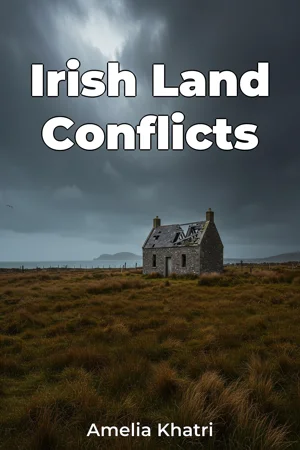
How did a seemingly simple relationship between landlord and tenant erupt into a century of turmoil, shaping not only Ireland's landscape but also its social and political identity? "Irish Land Conflicts" delves into the intricate web of causes and consequences surrounding land disputes in Ireland, examining the volatile period marked by oppressive tenancy laws, widespread evictions, and the rise of determined agrarian resistance. This book argues that the Irish land question was not merely an economic struggle but a fundamental battle for social justice and national self-determination, the repercussions of which continue to resonate today. This exploration begins with a crucial historical context, detailing the evolution of land ownership patterns in Ireland from the Plantation era onward. Understanding these origins is vital for appreciating the power imbalances that fueled the conflicts. The book then dissects the core components of the land system: the restrictive tenancy laws that left farmers vulnerable to arbitrary rent increases and eviction, the brutal practice of evictions and their devastating impact on rural communities, and the various forms of agrarian resistance, from peaceful protests to more forceful actions, which challenged the established order. The book is structured to provide a comprehensive understanding of the land conflicts. It first introduces the historical, legal, and social frameworks that underpinned the system. Subsequent chapters examine the key players involved: landlords, tenants, the British government, and the various organizations that emerged to advocate for land reform. These chapters will analyze the motivations, strategies, and impact of each group. The culmination of this exploration centers on the Land War of 1879-1882 and the subsequent legislative reforms, assessing their successes and failures in addressing the core issues. Finally, the book reflects on the long-term impact of the land conflicts on Irish society, politics, and culture. Drawing on a range of primary sources, including parliamentary papers, contemporary newspaper accounts, personal letters, and estate records, "Irish Land Conflicts" provides a nuanced and evidence-based analysis. It also incorporates insights from legal history, social history, and political science to offer a multi-faceted perspective. The book connects with broader themes of colonialism, economic inequality, and social movements, demonstrating how the Irish experience relates to similar struggles in other parts of the world. This book stands out by offering a balanced and thorough examination of a complex historical period. It avoids simplistic narratives and instead seeks to understand the perspectives of all involved, acknowledging the complexities and contradictions inherent in the land question. The writing style is accessible and engaging, aiming to inform and educate a broad audience interested in Irish history, land reform, and social justice. "Irish Land Conflicts" is primarily aimed at students and scholars of Irish history, British history, and agrarian studies. However, it will also appeal to general readers interested in learning more about this pivotal period in Irish history. It offers valuable insights into the ongoing debates surrounding land rights, social justice, and the legacy of colonialism. While the book focuses primarily on the period from the 18th century to the early 20th century, it acknowledges the limitations of this scope and suggests avenues for further research into the contemporary relevance of these historical conflicts. Anyone interested in understanding the roots of modern Ireland and the enduring power of social movements will find this book to be an informative and thought-provoking read.
How did a seemingly simple relationship between landlord and tenant erupt into a century of turmoil, shaping not only Ireland's landscape but also its social and political identity? "Irish Land Conflicts" delves into the intricate web of causes and consequences surrounding land disputes in Ireland, examining the volatile period marked by oppressive tenancy laws, widespread evictions, and the rise of determined agrarian resistance. This book argues that the Irish land question was not merely an economic struggle but a fundamental battle for social justice and national self-determination, the repercussions of which continue to resonate today. This exploration begins with a crucial historical context, detailing the evolution of land ownership patterns in Ireland from the Plantation era onward. Understanding these origins is vital for appreciating the power imbalances that fueled the conflicts. The book then dissects the core components of the land system: the restrictive tenancy laws that left farmers vulnerable to arbitrary rent increases and eviction, the brutal practice of evictions and their devastating impact on rural communities, and the various forms of agrarian resistance, from peaceful protests to more forceful actions, which challenged the established order. The book is structured to provide a comprehensive understanding of the land conflicts. It first introduces the historical, legal, and social frameworks that underpinned the system. Subsequent chapters examine the key players involved: landlords, tenants, the British government, and the various organizations that emerged to advocate for land reform. These chapters will analyze the motivations, strategies, and impact of each group. The culmination of this exploration centers on the Land War of 1879-1882 and the subsequent legislative reforms, assessing their successes and failures in addressing the core issues. Finally, the book reflects on the long-term impact of the land conflicts on Irish society, politics, and culture. Drawing on a range of primary sources, including parliamentary papers, contemporary newspaper accounts, personal letters, and estate records, "Irish Land Conflicts" provides a nuanced and evidence-based analysis. It also incorporates insights from legal history, social history, and political science to offer a multi-faceted perspective. The book connects with broader themes of colonialism, economic inequality, and social movements, demonstrating how the Irish experience relates to similar struggles in other parts of the world. This book stands out by offering a balanced and thorough examination of a complex historical period. It avoids simplistic narratives and instead seeks to understand the perspectives of all involved, acknowledging the complexities and contradictions inherent in the land question. The writing style is accessible and engaging, aiming to inform and educate a broad audience interested in Irish history, land reform, and social justice. "Irish Land Conflicts" is primarily aimed at students and scholars of Irish history, British history, and agrarian studies. However, it will also appeal to general readers interested in learning more about this pivotal period in Irish history. It offers valuable insights into the ongoing debates surrounding land rights, social justice, and the legacy of colonialism. While the book focuses primarily on the period from the 18th century to the early 20th century, it acknowledges the limitations of this scope and suggests avenues for further research into the contemporary relevance of these historical conflicts. Anyone interested in understanding the roots of modern Ireland and the enduring power of social movements will find this book to be an informative and thought-provoking read.
"Irish Land Conflicts" explores how disputes between landlords and tenants evolved into a century-long struggle that profoundly shaped Ireland's identity. The book examines the oppressive tenancy laws, widespread evictions, and the rise of agrarian resistance, highlighting that the land question was not just about economics, but a fight for social justice and national self-determination. One intriguing aspect is the role of evictions, which had a devastating impact on rural communities, and another is how restrictive tenancy laws left farmers vulnerable to arbitrary rent increases. Beginning with the historical context of land ownership from the Plantation era, the book dissects the land system's components and the motivations of key players like landlords, tenants, and the British government. It analyzes the Land War of 1879-1882 and subsequent legislative reforms, assessing their effectiveness. The book uniquely blends primary sources with insights from legal history, social history, and political science. It connects the Irish experience to broader themes of colonialism and economic inequality, revealing its relevance to global struggles. The book progresses by first establishing the historical, legal, and social frameworks before examining the key players and culminating in an analysis of the Land War and its aftermath.
Book Details
ISBN
9788235235688
Publisher
Publifye AS
Your Licenses
You don't own any licenses for this book
Purchase a license below to unlock this book and download the EPUB.
Purchase License
Select a tier to unlock this book
Need bulk licensing?
Contact us for enterprise agreements.