
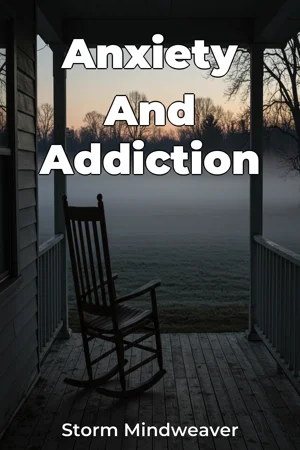
About This Book
Are you caught in a cycle where anxiety fuels substance use, or vice versa? "Anxiety And Addiction" offers a comprehensive exploration into the interwoven relationship between anxiety disorders and substance abuse, providing insights for individuals seeking to understand this complex comorbidity and find effective paths toward recovery. This book delves into the psychological, biological, and social factors that contribute to this dual diagnosis. It examines how individuals often turn to substances as a means of self-medication to alleviate the distressing symptoms of anxiety, inadvertently creating a cycle of dependence and worsening mental health. The core topics covered are the neurobiological underpinnings of anxiety and addiction, the various types of anxiety disorders commonly associated with substance abuse (such as generalized anxiety disorder, social anxiety disorder, and panic disorder), and the evidence-based treatment approaches for managing both conditions simultaneously. Understanding these topics is crucial because effective intervention requires addressing both the anxiety and the addiction, rather than treating them as separate issues. This book draws on a wide array of research, including clinical studies, epidemiological data, and case examples, demonstrating the high rates of co-occurrence between anxiety disorders and substance use disorders. We analyze data showing how specific substances, such as alcohol, opioids, and stimulants, interact with the brain's anxiety pathways, leading to both short-term relief and long-term exacerbation of symptoms. Our central argument is that a holistic, integrated approach to treatment is essential for individuals struggling with both anxiety and addiction. This approach acknowledges the reciprocal relationship between these conditions and aims to address the underlying causes and triggers that contribute to both. Furthermore, the book will emphasize the need for personalized treatment plans that take into account individual differences in genetics, environment, and personal history. The book is structured to provide a logical progression of knowledge. It begins with an introduction to the basic concepts of anxiety and addiction, clearly defining each and exploring their individual manifestations. It then delves into the complex interplay between the two, examining how anxiety can lead to substance use and how substance use can, in turn, worsen anxiety. It explores specific anxiety disorders and their links to substance abuse. The book culminates in a discussion of treatment options, including pharmacological interventions, cognitive-behavioral therapy (CBT), mindfulness-based techniques, and support groups, providing a synthesis of current research and practical strategies for recovery. The information presented relies on peer-reviewed scientific literature, clinical guidelines, and expert consensus. This includes analysis of randomized controlled trials, meta-analyses, and longitudinal studies examining the effectiveness of various treatment approaches. Where relevant, it incorporates patient narratives to provide relatable and compelling examples of the challenges and triumphs of recovery. "Anxiety And Addiction" connects to several other fields, including neuroscience, pharmacology, sociology, and public health. By integrating perspectives from these disciplines, the book offers a more comprehensive understanding of the biological, social, and environmental factors that contribute to the development and maintenance of these co-occurring disorders. A unique aspect of this book is its emphasis on self-compassion as a vital component of recovery. It challenges the stigma often associated with both anxiety and addiction, encouraging readers to approach themselves and others with empathy and understanding. Written in a clear and accessible style, this book is intended for individuals struggling with anxiety and addiction, their families and friends, and mental health professionals seeking to enhance their understanding and treatment skills. The scope of the book is broad, covering a wide range of anxiety disorders and substance use disorders, but its focus is specifically on the interplay between these conditions. It does not delve extensively into other mental health disorders that may co-occur, such as depression or bipolar disorder. The information is intended to be practical, providing readers with actionable steps they can take to improve their mental health and overcome addiction. It includes guidance on how to seek professional help, how to develop coping strategies for managing anxiety and cravings, and how to build a supportive network of friends, family, and peers. This book also addresses the ongoing debates surrounding the most effective treatment approaches for co-occurring anxiety and addiction, acknowledging the limitations of current research and highlighting areas where further investigation is needed. It discusses the controversies surrounding the use of medication-assisted treatment (MAT) for addiction, as well as the potential risks and benefits of different therapeutic modalities.
Are you caught in a cycle where anxiety fuels substance use, or vice versa? "Anxiety And Addiction" offers a comprehensive exploration into the interwoven relationship between anxiety disorders and substance abuse, providing insights for individuals seeking to understand this complex comorbidity and find effective paths toward recovery. This book delves into the psychological, biological, and social factors that contribute to this dual diagnosis. It examines how individuals often turn to substances as a means of self-medication to alleviate the distressing symptoms of anxiety, inadvertently creating a cycle of dependence and worsening mental health. The core topics covered are the neurobiological underpinnings of anxiety and addiction, the various types of anxiety disorders commonly associated with substance abuse (such as generalized anxiety disorder, social anxiety disorder, and panic disorder), and the evidence-based treatment approaches for managing both conditions simultaneously. Understanding these topics is crucial because effective intervention requires addressing both the anxiety and the addiction, rather than treating them as separate issues. This book draws on a wide array of research, including clinical studies, epidemiological data, and case examples, demonstrating the high rates of co-occurrence between anxiety disorders and substance use disorders. We analyze data showing how specific substances, such as alcohol, opioids, and stimulants, interact with the brain's anxiety pathways, leading to both short-term relief and long-term exacerbation of symptoms. Our central argument is that a holistic, integrated approach to treatment is essential for individuals struggling with both anxiety and addiction. This approach acknowledges the reciprocal relationship between these conditions and aims to address the underlying causes and triggers that contribute to both. Furthermore, the book will emphasize the need for personalized treatment plans that take into account individual differences in genetics, environment, and personal history. The book is structured to provide a logical progression of knowledge. It begins with an introduction to the basic concepts of anxiety and addiction, clearly defining each and exploring their individual manifestations. It then delves into the complex interplay between the two, examining how anxiety can lead to substance use and how substance use can, in turn, worsen anxiety. It explores specific anxiety disorders and their links to substance abuse. The book culminates in a discussion of treatment options, including pharmacological interventions, cognitive-behavioral therapy (CBT), mindfulness-based techniques, and support groups, providing a synthesis of current research and practical strategies for recovery. The information presented relies on peer-reviewed scientific literature, clinical guidelines, and expert consensus. This includes analysis of randomized controlled trials, meta-analyses, and longitudinal studies examining the effectiveness of various treatment approaches. Where relevant, it incorporates patient narratives to provide relatable and compelling examples of the challenges and triumphs of recovery. "Anxiety And Addiction" connects to several other fields, including neuroscience, pharmacology, sociology, and public health. By integrating perspectives from these disciplines, the book offers a more comprehensive understanding of the biological, social, and environmental factors that contribute to the development and maintenance of these co-occurring disorders. A unique aspect of this book is its emphasis on self-compassion as a vital component of recovery. It challenges the stigma often associated with both anxiety and addiction, encouraging readers to approach themselves and others with empathy and understanding. Written in a clear and accessible style, this book is intended for individuals struggling with anxiety and addiction, their families and friends, and mental health professionals seeking to enhance their understanding and treatment skills. The scope of the book is broad, covering a wide range of anxiety disorders and substance use disorders, but its focus is specifically on the interplay between these conditions. It does not delve extensively into other mental health disorders that may co-occur, such as depression or bipolar disorder. The information is intended to be practical, providing readers with actionable steps they can take to improve their mental health and overcome addiction. It includes guidance on how to seek professional help, how to develop coping strategies for managing anxiety and cravings, and how to build a supportive network of friends, family, and peers. This book also addresses the ongoing debates surrounding the most effective treatment approaches for co-occurring anxiety and addiction, acknowledging the limitations of current research and highlighting areas where further investigation is needed. It discusses the controversies surrounding the use of medication-assisted treatment (MAT) for addiction, as well as the potential risks and benefits of different therapeutic modalities.
"Anxiety And Addiction" explores the intricate relationship between anxiety disorders and substance abuse, offering a path to understanding and recovery for those caught in this cycle. Individuals often turn to substances as a form of self-medication, seeking relief from anxiety symptoms, which can inadvertently lead to dependence and worsen their mental health. This book uniquely emphasizes a holistic, integrated treatment approach that addresses the underlying causes and triggers common to both conditions, rather than treating them as separate issues. The book delves into the neurobiological factors of anxiety and addiction, examining how substances like alcohol and opioids interact with the brain's anxiety pathways, offering short-term relief but exacerbating long-term symptoms. It highlights the importance of personalized treatment plans, considering individual genetic, environmental, and historical factors. Progressing from basic concepts to complex interactions, the book culminates in a discussion of treatment options, including CBT, pharmacological interventions, and mindfulness techniques.
Book Details
ISBN
9788235235671
Publisher
Publifye AS
Your Licenses
You don't own any licenses for this book
Purchase a license below to unlock this book and download the EPUB.
Purchase License
Select a tier to unlock this book
Need bulk licensing?
Contact us for enterprise agreements.