
About This Book
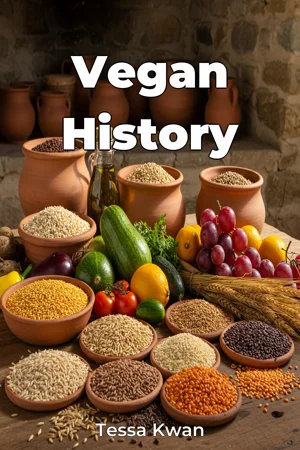
Did you know that plant-based diets are not a modern invention but have deep roots in human history? "Vegan History" explores the surprising prevalence and cultural significance of vegan and vegetarian practices across various societies and eras, long before the rise of contemporary veganism. This book delves into the historical, social, and culinary aspects of abstaining from animal products, demonstrating that ethical and health-conscious eating predates modern trends. This exploration is vital because understanding the historical context of plant-based diets can challenge common misconceptions and enrich our understanding of food choices. Furthermore, examining the motivations and practices of past cultures can provide valuable insights into sustainable living, health, and animal ethics. The book addresses the historical absence of meat consumption among particular communities and social groups across diverse cultures, revealing how these diets were interwoven with cultural values, religious beliefs, and economic realities. "Vegan History" puts forth the central argument that veganism and vegetarianism are not recent phenomena but have recurring, albeit often overlooked, presences throughout history. It argues that these practices were driven by diverse motivations, showcasing a complex interplay of ethical, religious, economic, and health-related factors. Understanding these historical precedents challenges the notion that plant-based diets are merely a fad and provides a foundation for appreciating the long-standing relationship between humans and plant-based foods. The book begins by establishing the historical context of meat consumption and its alternatives in different cultures. It then explores specific examples of vegan or vegetarian practices across various regions and time periods through chapters such as "Ancient Roots: Plant-Based Diets in Antiquity" and "Medieval Minimalism: Vegetarianism in Religious Orders." The book further examines the rise of vegetarian movements in the 19th and 20th centuries, leading to a nuanced discussion of the development of modern veganism. The ideas culminate in a discussion of the potential lessons and implications of historical vegan practices for contemporary society. Drawing upon a wide range of sources, from archaeological findings and historical texts to culinary records and anthropological studies, "Vegan History" compiles compelling evidence. It analyzes dietary habits, agricultural practices, and social structures to uncover the motivations and challenges faced by those adhering to plant-based diets. "Vegan History" also connects to diverse fields such as anthropology, sociology, and environmental studies. By linking dietary choices to social structures and environmental sustainability, the book offers a multifaceted view of human history. This book offers a unique perspective by providing a global, panoramic view of vegan and vegetarian practices that have been historically overlooked. It examines food choices not just as personal preferences but as reflections of cultural values, environmental constraints, and ethical considerations. Written in an accessible manner, "Vegan History" aims to be engaging for both academic and general audiences. The book is targeted towards those interested in history, food studies, cultural studies, and those already practicing or curious about veganism and vegetarianism. It will appeal to readers looking for a deeper understanding of the roots and evolution of plant-based diets. As a work of historical and culinary exploration, "Vegan History" meets the expectations of a comprehensive, insightful, and meticulously researched non-fiction book. While the book strives to provide broad coverage, it acknowledges the limitations of available historical data. The scope is focused on documented cases of plant-based practices, acknowledging that the prevalence of veganism and vegetarianism in the past may have been underreported due to historical biases in record-keeping. Ultimately, "Vegan History" demonstrates how historical vegan practices can inform contemporary approaches to sustainable living and ethical consumption. It aims to inspire readers to re-evaluate their relationship with food and to understand the impact of dietary choices on both personal health and the environment. The book seeks to provide an insightful analysis of the historical roots of plant-based diets, offering a refreshing perspective on a topic that is ever growing in popularity. This book navigates the controversies surrounding veganism and vegetarianism, encouraging understanding and promoting informed dietary decisions.
Did you know that plant-based diets are not a modern invention but have deep roots in human history? "Vegan History" explores the surprising prevalence and cultural significance of vegan and vegetarian practices across various societies and eras, long before the rise of contemporary veganism. This book delves into the historical, social, and culinary aspects of abstaining from animal products, demonstrating that ethical and health-conscious eating predates modern trends. This exploration is vital because understanding the historical context of plant-based diets can challenge common misconceptions and enrich our understanding of food choices. Furthermore, examining the motivations and practices of past cultures can provide valuable insights into sustainable living, health, and animal ethics. The book addresses the historical absence of meat consumption among particular communities and social groups across diverse cultures, revealing how these diets were interwoven with cultural values, religious beliefs, and economic realities. "Vegan History" puts forth the central argument that veganism and vegetarianism are not recent phenomena but have recurring, albeit often overlooked, presences throughout history. It argues that these practices were driven by diverse motivations, showcasing a complex interplay of ethical, religious, economic, and health-related factors. Understanding these historical precedents challenges the notion that plant-based diets are merely a fad and provides a foundation for appreciating the long-standing relationship between humans and plant-based foods. The book begins by establishing the historical context of meat consumption and its alternatives in different cultures. It then explores specific examples of vegan or vegetarian practices across various regions and time periods through chapters such as "Ancient Roots: Plant-Based Diets in Antiquity" and "Medieval Minimalism: Vegetarianism in Religious Orders." The book further examines the rise of vegetarian movements in the 19th and 20th centuries, leading to a nuanced discussion of the development of modern veganism. The ideas culminate in a discussion of the potential lessons and implications of historical vegan practices for contemporary society. Drawing upon a wide range of sources, from archaeological findings and historical texts to culinary records and anthropological studies, "Vegan History" compiles compelling evidence. It analyzes dietary habits, agricultural practices, and social structures to uncover the motivations and challenges faced by those adhering to plant-based diets. "Vegan History" also connects to diverse fields such as anthropology, sociology, and environmental studies. By linking dietary choices to social structures and environmental sustainability, the book offers a multifaceted view of human history. This book offers a unique perspective by providing a global, panoramic view of vegan and vegetarian practices that have been historically overlooked. It examines food choices not just as personal preferences but as reflections of cultural values, environmental constraints, and ethical considerations. Written in an accessible manner, "Vegan History" aims to be engaging for both academic and general audiences. The book is targeted towards those interested in history, food studies, cultural studies, and those already practicing or curious about veganism and vegetarianism. It will appeal to readers looking for a deeper understanding of the roots and evolution of plant-based diets. As a work of historical and culinary exploration, "Vegan History" meets the expectations of a comprehensive, insightful, and meticulously researched non-fiction book. While the book strives to provide broad coverage, it acknowledges the limitations of available historical data. The scope is focused on documented cases of plant-based practices, acknowledging that the prevalence of veganism and vegetarianism in the past may have been underreported due to historical biases in record-keeping. Ultimately, "Vegan History" demonstrates how historical vegan practices can inform contemporary approaches to sustainable living and ethical consumption. It aims to inspire readers to re-evaluate their relationship with food and to understand the impact of dietary choices on both personal health and the environment. The book seeks to provide an insightful analysis of the historical roots of plant-based diets, offering a refreshing perspective on a topic that is ever growing in popularity. This book navigates the controversies surrounding veganism and vegetarianism, encouraging understanding and promoting informed dietary decisions.
"Vegan History" reveals that plant-based diets have a rich and often overlooked history, challenging the notion that veganism is merely a modern trend. The book explores the cultural significance of abstaining from animal products across various societies and eras. It highlights how ethical, religious, and economic factors drove these historical dietary choices. The book examines specific instances of vegan or vegetarian practices through chapters focusing on different periods and regions, such as "Ancient Roots: Plant-Based Diets in Antiquity" and "Medieval Minimalism: Vegetarianism in Religious Orders." From ancient civilizations to religious orders, "Vegan History" showcases that plant-based living has been interwoven with cultural values and beliefs for centuries. This historical perspective provides valuable insights into sustainable living, health, and animal ethics, demonstrating that these concerns predate contemporary movements. By drawing upon diverse sources and connecting dietary choices to social structures and environmental sustainability, "Vegan History" offers a multifaceted view. The book progresses chronologically, starting with ancient examples and culminating in a discussion of modern veganism and its potential lessons for today. This approach provides a refreshing perspective on the long-standing relationship between humans and plant-based foods.
Book Details
ISBN
9788235235008
Publisher
Publifye AS
Your Licenses
You don't own any licenses for this book
Purchase a license below to unlock this book and download the EPUB.
Purchase License
Select a tier to unlock this book
Need bulk licensing?
Contact us for enterprise agreements.