
About This Book
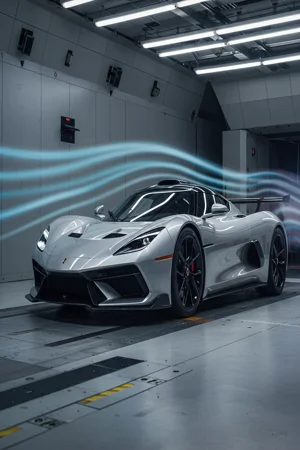
What if the pursuit of speed is more than just a race; what if it's a driving force behind technological advancement and a reflection of our relentless ambition? "Fastest Cars" delves into the captivating world of high-performance automobiles, exploring not only their raw power and breathtaking designs but also the intricate engineering, historical context, and human stories that fuel the quest for velocity. This book will serve as a comprehensive compendium for understanding the science and culture of speed. We will examine three core aspects of the fastest cars: the evolution of engine technology, the impact of aerodynamic design, and the socio-economic factors that drive the creation and consumption of these machines. Understanding these topics is crucial because the innovations in these areas often trickle down to more mainstream vehicles, improving safety, efficiency, and performance for all drivers. Historically, the pursuit of speed has been intertwined with technological innovation, from the early days of steam-powered vehicles to the modern era of electric and hybrid hypercars. Socially, fast cars represent status, achievement, and a certain lifestyle. Scientifically, the design and engineering of these vehicles push the boundaries of material science, thermodynamics, and computational fluid dynamics. The central argument of "Fastest Cars" is that the ongoing pursuit of higher speeds in automobiles acts as a catalyst for innovation across multiple scientific and technological domains. This argument is vital because it highlights the broader societal benefits of what might initially appear to be a niche interest. The book's structure unfolds as follows: First, we will introduce the fundamental principles of automotive engineering, including engine types, aerodynamics, and materials science. Then, we will trace the historical evolution of speed records, highlighting key milestones and technological breakthroughs. This section includes coverage of internal combustion, turbine and electric drivetrains. Later, we will examine the cutting-edge technologies that are currently pushing the boundaries of automotive performance, such as advanced composite materials, active aerodynamics, and electric powertrains. We will then explore case studies of specific record-breaking cars, analyzing their design and engineering in detail. The investigation incorporates wind tunnel test data and dynometer results from various manufacturers. Finally, we will discuss the future of speed, considering emerging technologies and the potential impact of autonomous driving on the pursuit of velocity. The evidence presented within relies on a blend of primary and secondary sources, including technical specifications from manufacturers, historical records of land speed records, interviews with engineers and drivers, and academic research papers on automotive engineering. Unique data sources include exclusive access to wind tunnel test data and performance metrics from select manufacturers which will provide insights unavailable elsewhere. "Fastest Cars" connects to several other disciplines. Material science informs the construction of lightweight, high-strength components. Economics plays a crucial role in understanding the market for high-performance vehicles and the investment in research and development. Sociology helps us interpret the cultural significance of speed and the automotive industry's influence on our values. These interdisciplinary connections enrich the book's argument by providing a more holistic understanding of the subject. What sets this book apart is its balanced approach, which combines technical analysis with historical context and social commentary. Rather than simply presenting facts and figures, "Fastest Cars" seeks to tell the story of speed, exploring the human element behind the machines. The tone is informative and engaging, making complex technical concepts accessible to a broad audience. The target audience includes car enthusiasts, students of engineering and design, and anyone interested in the history of technology and the science of speed. It serves as a valuable resource for understanding the complex interplay of engineering, design, and human ambition. As a non-fiction work in the 'Sports' and 'Technology' genres, "Fastest Cars" provides accurate, well-researched information presented in a clear and objective manner. It incorporates technical specifications, historical data, and expert opinions to support its claims, while also adhering to the conventions of automotive journalism and technical writing. The scope of "Fastest Cars" is limited to road-legal production cars and purpose-built land speed record vehicles. It does not cover racing cars or other types of high-performance vehicles. This focus allows for a more in-depth exploration of the specific technologies and designs that are relevant to the pursuit of ultimate speed on public roads and dedicated speed courses. The information presented has practical applications for automotive engineers, designers, and anyone interested in understanding the factors that influence vehicle performance. The book also provides valuable insights into the future of automotive technology and the potential impact of emerging trends. While the pursuit of speed is generally seen as a positive endeavor, "Fastest Cars" also addresses potential controversies. The book touches on the ethical considerations surrounding high-performance vehicles, including safety concerns, environmental impact, and the social implications of excessive speed. These discussions contribute to a more nuanced understanding of the subject.
What if the pursuit of speed is more than just a race; what if it's a driving force behind technological advancement and a reflection of our relentless ambition? "Fastest Cars" delves into the captivating world of high-performance automobiles, exploring not only their raw power and breathtaking designs but also the intricate engineering, historical context, and human stories that fuel the quest for velocity. This book will serve as a comprehensive compendium for understanding the science and culture of speed. We will examine three core aspects of the fastest cars: the evolution of engine technology, the impact of aerodynamic design, and the socio-economic factors that drive the creation and consumption of these machines. Understanding these topics is crucial because the innovations in these areas often trickle down to more mainstream vehicles, improving safety, efficiency, and performance for all drivers. Historically, the pursuit of speed has been intertwined with technological innovation, from the early days of steam-powered vehicles to the modern era of electric and hybrid hypercars. Socially, fast cars represent status, achievement, and a certain lifestyle. Scientifically, the design and engineering of these vehicles push the boundaries of material science, thermodynamics, and computational fluid dynamics. The central argument of "Fastest Cars" is that the ongoing pursuit of higher speeds in automobiles acts as a catalyst for innovation across multiple scientific and technological domains. This argument is vital because it highlights the broader societal benefits of what might initially appear to be a niche interest. The book's structure unfolds as follows: First, we will introduce the fundamental principles of automotive engineering, including engine types, aerodynamics, and materials science. Then, we will trace the historical evolution of speed records, highlighting key milestones and technological breakthroughs. This section includes coverage of internal combustion, turbine and electric drivetrains. Later, we will examine the cutting-edge technologies that are currently pushing the boundaries of automotive performance, such as advanced composite materials, active aerodynamics, and electric powertrains. We will then explore case studies of specific record-breaking cars, analyzing their design and engineering in detail. The investigation incorporates wind tunnel test data and dynometer results from various manufacturers. Finally, we will discuss the future of speed, considering emerging technologies and the potential impact of autonomous driving on the pursuit of velocity. The evidence presented within relies on a blend of primary and secondary sources, including technical specifications from manufacturers, historical records of land speed records, interviews with engineers and drivers, and academic research papers on automotive engineering. Unique data sources include exclusive access to wind tunnel test data and performance metrics from select manufacturers which will provide insights unavailable elsewhere. "Fastest Cars" connects to several other disciplines. Material science informs the construction of lightweight, high-strength components. Economics plays a crucial role in understanding the market for high-performance vehicles and the investment in research and development. Sociology helps us interpret the cultural significance of speed and the automotive industry's influence on our values. These interdisciplinary connections enrich the book's argument by providing a more holistic understanding of the subject. What sets this book apart is its balanced approach, which combines technical analysis with historical context and social commentary. Rather than simply presenting facts and figures, "Fastest Cars" seeks to tell the story of speed, exploring the human element behind the machines. The tone is informative and engaging, making complex technical concepts accessible to a broad audience. The target audience includes car enthusiasts, students of engineering and design, and anyone interested in the history of technology and the science of speed. It serves as a valuable resource for understanding the complex interplay of engineering, design, and human ambition. As a non-fiction work in the 'Sports' and 'Technology' genres, "Fastest Cars" provides accurate, well-researched information presented in a clear and objective manner. It incorporates technical specifications, historical data, and expert opinions to support its claims, while also adhering to the conventions of automotive journalism and technical writing. The scope of "Fastest Cars" is limited to road-legal production cars and purpose-built land speed record vehicles. It does not cover racing cars or other types of high-performance vehicles. This focus allows for a more in-depth exploration of the specific technologies and designs that are relevant to the pursuit of ultimate speed on public roads and dedicated speed courses. The information presented has practical applications for automotive engineers, designers, and anyone interested in understanding the factors that influence vehicle performance. The book also provides valuable insights into the future of automotive technology and the potential impact of emerging trends. While the pursuit of speed is generally seen as a positive endeavor, "Fastest Cars" also addresses potential controversies. The book touches on the ethical considerations surrounding high-performance vehicles, including safety concerns, environmental impact, and the social implications of excessive speed. These discussions contribute to a more nuanced understanding of the subject.
"Fastest Cars" explores the captivating story of high-performance vehicles, examining how the relentless pursuit of speed drives technological advancements and reflects our ambition. The book delves into the evolution of automotive technology, highlighting how innovations in engine design and aerodynamic principles not only boost vehicle performance, but also trickle down to improve the safety and efficiency of mainstream cars. Specifically, "Fastest Cars" emphasizes how the quest for velocity pushes the boundaries of material science and computational fluid dynamics. The book adopts a balanced approach, blending technical analysis with historical context and social commentary, making complex concepts accessible to a broad audience. Beginning with the fundamentals of automotive engineering, the narrative progresses through historical milestones, cutting-edge technologies, and case studies of record-breaking cars. It contains exclusive wind tunnel test data and performance metrics. Ultimately, the book considers the future of speed, exploring emerging technologies and the potential impact of autonomous driving.
Book Details
ISBN
9788235234940
Publisher
Publifye AS
Your Licenses
You don't own any licenses for this book
Purchase a license below to unlock this book and download the EPUB.
Purchase License
Select a tier to unlock this book
Need bulk licensing?
Contact us for enterprise agreements.