
About This Book
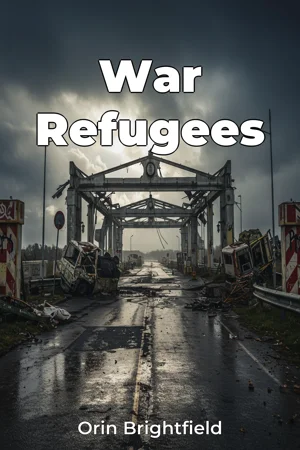
How do wars reshape not only geographical boundaries but also the human landscape, leaving indelible marks on both those who flee and those who receive them? "War Refugees" delves into the complex and often tragic phenomenon of mass migrations triggered by armed conflicts, examining the multifaceted struggles faced by refugees and the enduring impacts on host nations. This book is a crucial exploration of a defining issue of our time, one that demands a deeper understanding of history, human resilience, and international responsibility. This book grapples with three key topics. First, it meticulously analyzes specific historical instances of war-induced mass migrations, ranging from the displacements following World War II to more recent crises in Syria, Ukraine and beyond. We examine the root causes of these movements, focusing on the specific triggers—political instability, civil war, genocide, and foreign intervention. Second, "War Refugees" shines a light on the lived experiences of refugees, capturing the harrowing journeys, the challenges of integration, and the psychological toll of displacement. We explore the legal and social frameworks designed to protect refugees, examining their effectiveness and inherent limitations. Finally, the book examines the long-term consequences of refugee influxes on host nations, addressing both the challenges and the opportunities that arise. We consider the economic, social, and cultural impacts on host communities, analyzing issues such as resource allocation, social cohesion, and evolving national identities. The central argument of "War Refugees" is that forced migration due to war is not merely a humanitarian crisis but a complex geopolitical process with far-reaching and lasting consequences for all involved. By understanding the historical patterns, the individual experiences, and the societal impacts, we can develop more effective and humane responses to the challenges posed by war-induced displacement. The book unfolds methodically: a) The introduction lays the groundwork by defining key terms, outlining the scope of the study, and presenting the central thesis. b) Subsequent chapters delve into specific case studies of war-driven migrations, each chosen to illustrate different aspects of the refugee experience and the challenges faced by host nations. These sections offer detailed historical analyses and personal narratives. c) The book culminates with an in-depth analysis of the long-term impacts of refugee flows, providing policy recommendations for governments and international organizations. d) It concludes with a discussion of practical applications, including strategies for promoting refugee integration, fostering social cohesion, and mitigating the negative impacts on host communities. "War Refugees" draws upon a wide range of sources, including historical archives, government reports, international treaties, and first-person accounts from refugees themselves. Quantitative data on refugee flows, demographic shifts, and economic indicators complement the qualitative analysis, providing a comprehensive and nuanced picture of the phenomenon. This book engages with a variety of disciplines, including history, political science, sociology, economics, and international law. By drawing on insights from these fields, "War Refugees" offers a more holistic and comprehensive understanding of the topic. The book distinguishes itself through its comprehensive approach, combining historical analysis with contemporary case studies and in-depth explorations of the human experience of displacement. It offers a balanced perspective, acknowledging both the challenges and the opportunities associated with refugee influxes. The tone is academic yet accessible, aiming to inform and engage a broad readership. The writing style is clear, concise, and objective, avoiding jargon and presenting complex information in an understandable manner. The target audience includes students, researchers, policymakers, and anyone interested in understanding the complexities of war, migration, and international relations. This book will be valuable to those seeking a deeper understanding of the forces shaping our world and the challenges of building a more just and equitable future. As a work of non-fiction exploring ‘History World, Current Events, World History,’ the book adheres to the genre's conventions by maintaining factual accuracy, objectivity, and a clear separation between analysis and opinion. The scope of "War Refugees" is global, encompassing a wide range of historical and contemporary examples. However, the book does not attempt to provide an exhaustive account of every refugee crisis in history. Instead, it focuses on selected case studies that offer valuable insights into the broader phenomenon. The book also acknowledges the limitations of available data and the challenges of generalizing from specific cases. The information presented in "War Refugees" has numerous real-world applications. It can inform policy decisions related to refugee resettlement, integration, and humanitarian assistance. It can also help to promote greater understanding and empathy towards refugees and to combat xenophobia and discrimination. The book addresses ongoing debates about the responsibility of states to protect refugees, the effectiveness of current refugee policies, and the long-term consequences of immigration on host societies. By presenting a balanced and nuanced analysis of these issues, "War Refugees" aims to contribute to a more informed and productive discussion.
How do wars reshape not only geographical boundaries but also the human landscape, leaving indelible marks on both those who flee and those who receive them? "War Refugees" delves into the complex and often tragic phenomenon of mass migrations triggered by armed conflicts, examining the multifaceted struggles faced by refugees and the enduring impacts on host nations. This book is a crucial exploration of a defining issue of our time, one that demands a deeper understanding of history, human resilience, and international responsibility. This book grapples with three key topics. First, it meticulously analyzes specific historical instances of war-induced mass migrations, ranging from the displacements following World War II to more recent crises in Syria, Ukraine and beyond. We examine the root causes of these movements, focusing on the specific triggers—political instability, civil war, genocide, and foreign intervention. Second, "War Refugees" shines a light on the lived experiences of refugees, capturing the harrowing journeys, the challenges of integration, and the psychological toll of displacement. We explore the legal and social frameworks designed to protect refugees, examining their effectiveness and inherent limitations. Finally, the book examines the long-term consequences of refugee influxes on host nations, addressing both the challenges and the opportunities that arise. We consider the economic, social, and cultural impacts on host communities, analyzing issues such as resource allocation, social cohesion, and evolving national identities. The central argument of "War Refugees" is that forced migration due to war is not merely a humanitarian crisis but a complex geopolitical process with far-reaching and lasting consequences for all involved. By understanding the historical patterns, the individual experiences, and the societal impacts, we can develop more effective and humane responses to the challenges posed by war-induced displacement. The book unfolds methodically: a) The introduction lays the groundwork by defining key terms, outlining the scope of the study, and presenting the central thesis. b) Subsequent chapters delve into specific case studies of war-driven migrations, each chosen to illustrate different aspects of the refugee experience and the challenges faced by host nations. These sections offer detailed historical analyses and personal narratives. c) The book culminates with an in-depth analysis of the long-term impacts of refugee flows, providing policy recommendations for governments and international organizations. d) It concludes with a discussion of practical applications, including strategies for promoting refugee integration, fostering social cohesion, and mitigating the negative impacts on host communities. "War Refugees" draws upon a wide range of sources, including historical archives, government reports, international treaties, and first-person accounts from refugees themselves. Quantitative data on refugee flows, demographic shifts, and economic indicators complement the qualitative analysis, providing a comprehensive and nuanced picture of the phenomenon. This book engages with a variety of disciplines, including history, political science, sociology, economics, and international law. By drawing on insights from these fields, "War Refugees" offers a more holistic and comprehensive understanding of the topic. The book distinguishes itself through its comprehensive approach, combining historical analysis with contemporary case studies and in-depth explorations of the human experience of displacement. It offers a balanced perspective, acknowledging both the challenges and the opportunities associated with refugee influxes. The tone is academic yet accessible, aiming to inform and engage a broad readership. The writing style is clear, concise, and objective, avoiding jargon and presenting complex information in an understandable manner. The target audience includes students, researchers, policymakers, and anyone interested in understanding the complexities of war, migration, and international relations. This book will be valuable to those seeking a deeper understanding of the forces shaping our world and the challenges of building a more just and equitable future. As a work of non-fiction exploring ‘History World, Current Events, World History,’ the book adheres to the genre's conventions by maintaining factual accuracy, objectivity, and a clear separation between analysis and opinion. The scope of "War Refugees" is global, encompassing a wide range of historical and contemporary examples. However, the book does not attempt to provide an exhaustive account of every refugee crisis in history. Instead, it focuses on selected case studies that offer valuable insights into the broader phenomenon. The book also acknowledges the limitations of available data and the challenges of generalizing from specific cases. The information presented in "War Refugees" has numerous real-world applications. It can inform policy decisions related to refugee resettlement, integration, and humanitarian assistance. It can also help to promote greater understanding and empathy towards refugees and to combat xenophobia and discrimination. The book addresses ongoing debates about the responsibility of states to protect refugees, the effectiveness of current refugee policies, and the long-term consequences of immigration on host societies. By presenting a balanced and nuanced analysis of these issues, "War Refugees" aims to contribute to a more informed and productive discussion.
"War Refugees" explores the complex issue of forced migration due to war, examining its historical roots, the experiences of refugees, and the impacts on host countries. This book argues that war-induced displacement is not only a humanitarian crisis but also a significant geopolitical process with lasting consequences. It sheds light on the harrowing journeys refugees undertake, the challenges they face integrating into new societies, and the psychological impact of displacement. For example, the book analyzes how World War II and more recent conflicts in Syria and Ukraine have triggered mass migrations, reshaping both geographical boundaries and human landscapes, highlighting the urgent need for international responsibility. The book addresses the long-term consequences of refugee influxes, including the economic, social, and cultural impacts on host communities. It analyzes issues such as resource allocation and social cohesion, offering a balanced perspective on both the challenges and opportunities that arise. Using historical archives, government reports, and first-person accounts, "War Refugees" provides a comprehensive analysis of this phenomenon. The book progresses from defining key terms and presenting its central thesis to delving into specific case studies and concluding with policy recommendations for governments and international organizations.
Book Details
ISBN
9788235234889
Publisher
Publifye AS
Your Licenses
You don't own any licenses for this book
Purchase a license below to unlock this book and download the EPUB.
Purchase License
Select a tier to unlock this book
Need bulk licensing?
Contact us for enterprise agreements.