
About This Book
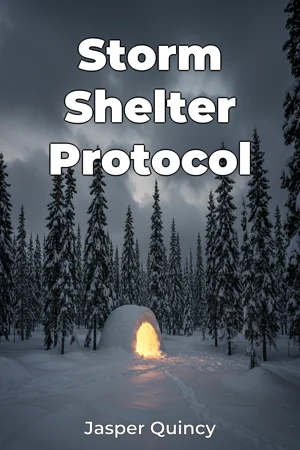
Imagine being miles from civilization, the sky turning an ominous shade of gray, and the first crack of thunder echoing through the wilderness. What immediate steps can mean the difference between weathering the storm and succumbing to its fury? "Storm Shelter Protocol" provides a vital, fact-based guide to building or finding protection during severe weather events in remote environments, offering crucial knowledge for hikers, explorers, and anyone venturing into the backcountry. This book focuses on three critical areas: immediate shelter construction using natural materials, recognizing and utilizing natural shelters, and emergency preparedness strategies specific to severe storm scenarios. Understanding these aspects is paramount, as proper shelter dramatically increases survivability in life-threatening wilderness conditions. "Storm Shelter Protocol" bridges the gap between theoretical knowledge and practical application, equipping readers with the skills necessary to make informed decisions under pressure. We draw upon historical accounts of survival, contemporary wilderness survival techniques, and meteorological data to establish a comprehensive protocol. No prior expertise is required; we start with foundational knowledge of weather patterns and basic survival skills, ensuring the book is accessible to both novice and experienced outdoors people. The central argument of "Storm Shelter Protocol" is that proactive preparedness, combined with the knowledge of rapid shelter construction or identification, is the most effective defense against life-threatening weather in the wilderness. This isn't just about enduring discomfort; it's about mitigating potentially fatal risks such as hypothermia, lightning strikes, and exposure. The book unfolds systematically. First, we introduce core concepts such as understanding microclimates, identifying hazardous terrain, and assessing available resources. Subsequent chapters detail various shelter construction techniques using materials like branches, leaves, and snow, covering lean-tos, debris huts, and snow caves. A significant portion is dedicated to recognizing and adapting natural shelters – rock overhangs, dense thickets, and tree wells – to provide immediate protection. The book culminates with advanced strategies for signaling for help, managing resources within the shelter, and preparing for potential post-storm challenges. The information is supported by a combination of scientific research, expert interviews with experienced survivalists and meteorologists, and case studies of real-life survival situations. We will present detailed diagrams, photographs, and step-by-step instructions to clarify complex procedures and ensure practical understanding. "Storm Shelter Protocol" connects to several other fields, including meteorology, botany (for identifying safe and useful plants), and basic engineering principles related to structural integrity. These interdisciplinary connections enrich the reader's understanding of the interconnectedness of survival skills and the natural world. What sets this book apart is its emphasis on rapid decision-making and adaptability. Instead of promoting a one-size-fits-all approach, it provides a framework for assessing the specific environment and tailoring shelter strategies accordingly. The tone is practical and informative, prioritizing clarity and accuracy over dramatic storytelling. The writing style is designed to be approachable, avoiding jargon and technical terms where possible, while still maintaining scientific rigor. The target audience includes hikers, backpackers, climbers, search and rescue personnel, and anyone who spends time in remote areas. It offers valuable insights for outdoor enthusiasts seeking to enhance their safety and preparedness. It will also appeal to those interested in nature, survival skills, and self-reliance. As an adventure/nature book, it provides detailed descriptions of environments that adventurers may find themselves in. The scope of "Storm Shelter Protocol" is limited to immediate, short-term shelter strategies designed to mitigate the acute risks associated with severe weather. It does not cover long-term survival scenarios or advanced wilderness living skills beyond the immediate shelter context. The information presented in "Storm Shelter Protocol" has direct, real-world applications. Readers can use the knowledge and skills gained from this book to significantly increase their chances of survival in the event of a sudden and severe storm while in the wilderness. This book serves as a practical guide. While the principles of shelter construction are generally accepted, debates exist regarding the efficiency and suitability of different techniques in specific environments. We acknowledge these debates and present a balanced perspective, encouraging readers to test and refine their skills based on their own experiences and local conditions.
Imagine being miles from civilization, the sky turning an ominous shade of gray, and the first crack of thunder echoing through the wilderness. What immediate steps can mean the difference between weathering the storm and succumbing to its fury? "Storm Shelter Protocol" provides a vital, fact-based guide to building or finding protection during severe weather events in remote environments, offering crucial knowledge for hikers, explorers, and anyone venturing into the backcountry. This book focuses on three critical areas: immediate shelter construction using natural materials, recognizing and utilizing natural shelters, and emergency preparedness strategies specific to severe storm scenarios. Understanding these aspects is paramount, as proper shelter dramatically increases survivability in life-threatening wilderness conditions. "Storm Shelter Protocol" bridges the gap between theoretical knowledge and practical application, equipping readers with the skills necessary to make informed decisions under pressure. We draw upon historical accounts of survival, contemporary wilderness survival techniques, and meteorological data to establish a comprehensive protocol. No prior expertise is required; we start with foundational knowledge of weather patterns and basic survival skills, ensuring the book is accessible to both novice and experienced outdoors people. The central argument of "Storm Shelter Protocol" is that proactive preparedness, combined with the knowledge of rapid shelter construction or identification, is the most effective defense against life-threatening weather in the wilderness. This isn't just about enduring discomfort; it's about mitigating potentially fatal risks such as hypothermia, lightning strikes, and exposure. The book unfolds systematically. First, we introduce core concepts such as understanding microclimates, identifying hazardous terrain, and assessing available resources. Subsequent chapters detail various shelter construction techniques using materials like branches, leaves, and snow, covering lean-tos, debris huts, and snow caves. A significant portion is dedicated to recognizing and adapting natural shelters – rock overhangs, dense thickets, and tree wells – to provide immediate protection. The book culminates with advanced strategies for signaling for help, managing resources within the shelter, and preparing for potential post-storm challenges. The information is supported by a combination of scientific research, expert interviews with experienced survivalists and meteorologists, and case studies of real-life survival situations. We will present detailed diagrams, photographs, and step-by-step instructions to clarify complex procedures and ensure practical understanding. "Storm Shelter Protocol" connects to several other fields, including meteorology, botany (for identifying safe and useful plants), and basic engineering principles related to structural integrity. These interdisciplinary connections enrich the reader's understanding of the interconnectedness of survival skills and the natural world. What sets this book apart is its emphasis on rapid decision-making and adaptability. Instead of promoting a one-size-fits-all approach, it provides a framework for assessing the specific environment and tailoring shelter strategies accordingly. The tone is practical and informative, prioritizing clarity and accuracy over dramatic storytelling. The writing style is designed to be approachable, avoiding jargon and technical terms where possible, while still maintaining scientific rigor. The target audience includes hikers, backpackers, climbers, search and rescue personnel, and anyone who spends time in remote areas. It offers valuable insights for outdoor enthusiasts seeking to enhance their safety and preparedness. It will also appeal to those interested in nature, survival skills, and self-reliance. As an adventure/nature book, it provides detailed descriptions of environments that adventurers may find themselves in. The scope of "Storm Shelter Protocol" is limited to immediate, short-term shelter strategies designed to mitigate the acute risks associated with severe weather. It does not cover long-term survival scenarios or advanced wilderness living skills beyond the immediate shelter context. The information presented in "Storm Shelter Protocol" has direct, real-world applications. Readers can use the knowledge and skills gained from this book to significantly increase their chances of survival in the event of a sudden and severe storm while in the wilderness. This book serves as a practical guide. While the principles of shelter construction are generally accepted, debates exist regarding the efficiency and suitability of different techniques in specific environments. We acknowledge these debates and present a balanced perspective, encouraging readers to test and refine their skills based on their own experiences and local conditions.
"Storm Shelter Protocol" is a vital guide for anyone venturing into nature, focusing on wilderness survival during severe weather. It prepares hikers and explorers to react effectively when caught in a storm, emphasizing the critical role of immediate shelter. The book highlights the importance of understanding weather patterns and utilizing available resources to construct or locate natural shelters, which can dramatically increase survivability. Did you know that a well-constructed debris hut can raise the internal temperature by as much as 30 degrees Fahrenheit compared to the outside environment? By combining historical survival accounts with contemporary techniques, the book offers practical skills for making informed decisions under pressure. The book progresses systematically, starting with core concepts like microclimates and hazardous terrain. Chapters detail various shelter-building techniques, such as lean-tos and snow caves, using natural materials. A significant portion focuses on recognizing natural shelters like rock overhangs and adapting them for immediate protection. Ultimately, the book emphasizes proactive preparedness and adaptability, offering a framework for tailoring shelter strategies to specific environments. It underscores that knowing how to quickly construct a shelter can mitigate life-threatening risks such as hypothermia and exposure, making it an essential read for outdoor enthusiasts.
Book Details
ISBN
9788235234797
Publisher
Publifye AS
Your Licenses
You don't own any licenses for this book
Purchase a license below to unlock this book and download the EPUB.
Purchase License
Select a tier to unlock this book
Need bulk licensing?
Contact us for enterprise agreements.