
About This Book
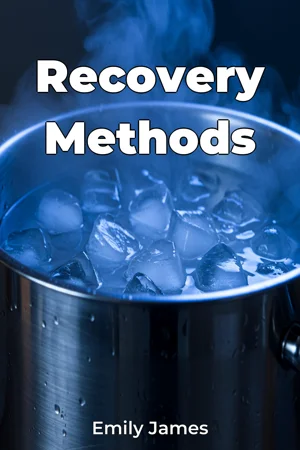
Are you pushing your body to its limits but struggling to recover effectively, hindering your performance and increasing your risk of injury? This book, "Recovery Methods," offers a comprehensive guide to optimizing post-exercise recovery, unlocking your full athletic potential, and promoting long-term physical well-being. Recovery is not merely rest; it's an active process involving targeted techniques to repair muscle damage, replenish energy stores, and restore physiological balance. We delve into three crucial pillars of post-exercise recovery: cryotherapy (including ice baths), massage therapy, and targeted stretching. These methods are vital because they directly address the physiological stressors induced by intense physical activity, reducing inflammation, improving circulation, and restoring muscle function and flexibility. "Recovery Methods" provides the scientific background necessary to understand why and how these recovery techniques work. We’ll explore the human body's response to exercise, including the inflammatory processes, muscle fiber damage, and hormonal shifts that influence recovery. No advanced scientific knowledge is required; concepts are explained clearly and concisely. The central argument of this book is that implementing a strategic recovery plan, tailored to individual needs and training intensity, is as crucial as the training itself for achieving peak performance and preventing injuries. Ignoring or underestimating recovery can lead to chronic fatigue, overtraining syndrome, and increased susceptibility to musculoskeletal problems. This book is structured to guide you from basic understanding to practical application. Initially, we introduce the fundamental principles of exercise physiology and the importance of recovery. Next, we dedicate individual sections to cryotherapy (with a focus on safe and effective ice bath protocols), massage therapy (covering various techniques and their benefits), and stretching (emphasizing dynamic, static, and PNF stretching methods). Each section provides detailed instructions, safety guidelines, and scientific rationales. We culminate by integrating these methods into personalized recovery plans based on different sports, training volumes, and individual characteristics. Practical examples and case studies illustrate these concepts based on available scientific literature. Evidence supporting the efficacy of these recovery methods is drawn from a wide range of scientific studies published in peer-reviewed journals. We critically assess the available research, highlighting both the strengths and limitations of each technique. Meta-analyses and systematic reviews are referenced to provide an evidence-based perspective on the effectiveness of different recovery modalities. The book connects to several interdisciplinary fields, including sports medicine, physical therapy, and exercise physiology. This interdisciplinary approach offers a holistic understanding of the factors influencing recovery and provides a broader perspective on optimizing athletic performance. "Recovery Methods," distinguishes itself with its emphasis on individualization. Rather than advocating a one-size-fits-all approach, we provide tools and knowledge to tailor recovery strategies to specific needs and goals. A conversational yet informative tone ensures accessibility for a wide audience. This book is intended for athletes of all levels, coaches, personal trainers, and anyone interested in optimizing their post-exercise recovery. Whether you are a seasoned professional or a weekend warrior, the information presented can help you train smarter, recover faster, and perform better. As a work in Health & Fitness / Sports, this book adheres to genre conventions by providing evidence-based recommendations, practical guidelines, and clear explanations of complex scientific concepts. The scope of the book is limited to non-pharmacological recovery methods, focusing primarily on cryotherapy, massage, and stretching. Nutritional strategies and sleep optimization are discussed briefly but are not the primary focus. The information presented in "Recovery Methods" can be applied to real-world scenarios by implementing the recommended recovery techniques into your post-exercise routine. This can lead to reduced muscle soreness, improved performance, and a decreased risk of injury. While cryotherapy, massage, and stretching are generally considered safe, some controversies and debates exist regarding the optimal timing, intensity, and duration of these interventions. The book addresses these controversies by presenting different perspectives and providing evidence-based recommendations to guide decision-making.
Are you pushing your body to its limits but struggling to recover effectively, hindering your performance and increasing your risk of injury? This book, "Recovery Methods," offers a comprehensive guide to optimizing post-exercise recovery, unlocking your full athletic potential, and promoting long-term physical well-being. Recovery is not merely rest; it's an active process involving targeted techniques to repair muscle damage, replenish energy stores, and restore physiological balance. We delve into three crucial pillars of post-exercise recovery: cryotherapy (including ice baths), massage therapy, and targeted stretching. These methods are vital because they directly address the physiological stressors induced by intense physical activity, reducing inflammation, improving circulation, and restoring muscle function and flexibility. "Recovery Methods" provides the scientific background necessary to understand why and how these recovery techniques work. We’ll explore the human body's response to exercise, including the inflammatory processes, muscle fiber damage, and hormonal shifts that influence recovery. No advanced scientific knowledge is required; concepts are explained clearly and concisely. The central argument of this book is that implementing a strategic recovery plan, tailored to individual needs and training intensity, is as crucial as the training itself for achieving peak performance and preventing injuries. Ignoring or underestimating recovery can lead to chronic fatigue, overtraining syndrome, and increased susceptibility to musculoskeletal problems. This book is structured to guide you from basic understanding to practical application. Initially, we introduce the fundamental principles of exercise physiology and the importance of recovery. Next, we dedicate individual sections to cryotherapy (with a focus on safe and effective ice bath protocols), massage therapy (covering various techniques and their benefits), and stretching (emphasizing dynamic, static, and PNF stretching methods). Each section provides detailed instructions, safety guidelines, and scientific rationales. We culminate by integrating these methods into personalized recovery plans based on different sports, training volumes, and individual characteristics. Practical examples and case studies illustrate these concepts based on available scientific literature. Evidence supporting the efficacy of these recovery methods is drawn from a wide range of scientific studies published in peer-reviewed journals. We critically assess the available research, highlighting both the strengths and limitations of each technique. Meta-analyses and systematic reviews are referenced to provide an evidence-based perspective on the effectiveness of different recovery modalities. The book connects to several interdisciplinary fields, including sports medicine, physical therapy, and exercise physiology. This interdisciplinary approach offers a holistic understanding of the factors influencing recovery and provides a broader perspective on optimizing athletic performance. "Recovery Methods," distinguishes itself with its emphasis on individualization. Rather than advocating a one-size-fits-all approach, we provide tools and knowledge to tailor recovery strategies to specific needs and goals. A conversational yet informative tone ensures accessibility for a wide audience. This book is intended for athletes of all levels, coaches, personal trainers, and anyone interested in optimizing their post-exercise recovery. Whether you are a seasoned professional or a weekend warrior, the information presented can help you train smarter, recover faster, and perform better. As a work in Health & Fitness / Sports, this book adheres to genre conventions by providing evidence-based recommendations, practical guidelines, and clear explanations of complex scientific concepts. The scope of the book is limited to non-pharmacological recovery methods, focusing primarily on cryotherapy, massage, and stretching. Nutritional strategies and sleep optimization are discussed briefly but are not the primary focus. The information presented in "Recovery Methods" can be applied to real-world scenarios by implementing the recommended recovery techniques into your post-exercise routine. This can lead to reduced muscle soreness, improved performance, and a decreased risk of injury. While cryotherapy, massage, and stretching are generally considered safe, some controversies and debates exist regarding the optimal timing, intensity, and duration of these interventions. The book addresses these controversies by presenting different perspectives and providing evidence-based recommendations to guide decision-making.
"Recovery Methods" offers a comprehensive guide to post-exercise recovery, designed to help athletes of all levels optimize their performance and prevent injuries. This book emphasizes that recovery is an active process, not just rest, and delves into the science behind effective techniques. Discover how methods like cryotherapy, particularly ice baths, and massage therapy can reduce inflammation and improve circulation, directly addressing the physiological stressors of intense physical activity. Targeted stretching is also explored, restoring muscle function and flexibility. The book explains the body's response to exercise, including inflammatory processes and muscle fiber damage, without requiring advanced scientific knowledge. It argues that a strategic recovery plan, tailored to individual needs, is as vital as training itself. Each section provides detailed instructions, safety guidelines, and scientific rationales for techniques like dynamic, static, and PNF stretching. Practical examples and case studies illustrate how to integrate these methods into personalized recovery plans, based on sports, training volumes, and individual characteristics. Uniquely, "Recovery Methods" emphasizes individualization, providing tools to tailor recovery strategies rather than advocating a one-size-fits-all approach. Starting with the fundamentals of exercise physiology, the book progresses through specific recovery methods, culminating in personalized recovery plans. This approach ensures readers can apply the information to real-world scenarios, leading to reduced muscle soreness, improved performance, and decreased injury risk.
Book Details
ISBN
9788235234667
Publisher
Publifye AS
Your Licenses
You don't own any licenses for this book
Purchase a license below to unlock this book and download the EPUB.
Purchase License
Select a tier to unlock this book
Need bulk licensing?
Contact us for enterprise agreements.