
About This Book
Have you ever considered the profound, yet often overlooked, relationship between the vibrant panels of comic books and the dynamic world of animated television and film? "Comics and Animation" delves into this captivating intersection, revealing how the visual language, narrative structures, and character archetypes of comics have indelibly shaped the evolution of animation across the globe. This book underscores the significance of understanding this symbiotic relationship, not only for media scholars and industry professionals, but for anyone seeking a deeper appreciation of these ubiquitous art forms. We begin by establishing a historical context, tracing the parallel development of comics and animation from their nascent stages in the late 19th and early 20th centuries. This exploration highlights the crucial role of early comic strips in laying the groundwork for animated storytelling, examining how pioneers in both fields borrowed techniques and ideas from one another. This historical backdrop provides the necessary foundation for understanding the book's central argument: that comics are not simply a precursor to animation, but a continuous and vital source of inspiration, innovation, and adaptation. The book is structured into three major sections. First, we dissect the fundamental elements of visual storytelling shared by both mediums, such as panel layout, character design, and the use of color and motion. Through comparative analyses of specific comics and animated works, we illuminate how these elements are adapted and transformed across different cultural contexts. Second, we explore the impact of specific comic book genres – superhero comics, manga, and European bandes dessinées – on animation. Each chapter examines how the conventions and tropes of these genres have been translated into successful animated series and films, analyzing case studies that illustrate both faithful adaptations and innovative reinterpretations. Finally, we investigate the reciprocal influence between comics and animation, examining instances where animated works have, in turn, inspired new trends and styles in comic book art and storytelling. The evidence presented in "Comics and Animation" draws from a diverse range of sources, including archival materials, interviews with creators, and close readings of both comics and animated works. We analyze a wide array of examples, from classic American superhero animation to influential Japanese anime and European animated features, providing a global perspective on the relationship between these two mediums. This book also explores interdisciplinary connections between media studies, art history, and cultural studies. By examining the social and cultural forces that have shaped the development of comics and animation, we gain a deeper understanding of their impact on society and their role in reflecting and shaping cultural values. The approach taken in "Comics and Animation" is unique in its comprehensive scope and its emphasis on the ongoing dialogue between comics and animation. It moves beyond simplistic notions of adaptation to explore the complex and dynamic interplay between these two art forms. Written in an accessible yet scholarly tone, "Comics and Animation" is intended for students, academics, and anyone with an interest in comics, animation, and media studies. It offers a fresh perspective on these popular art forms, providing new insights into their history, aesthetics, and cultural significance. While the book strives for broad coverage, its focus remains on key examples and influential works, acknowledging the limitations of fully encompassing the vast landscape of comics and animation. The information presented in "Comics and Animation" has practical applications for aspiring animators, comic book artists, and media professionals. By understanding the principles of visual storytelling and the history of adaptation, readers can gain a competitive edge in these creative fields. Furthermore, the book addresses ongoing debates about the artistic merit of comics and animation, arguing for their recognition as important and influential forms of cultural expression.
Have you ever considered the profound, yet often overlooked, relationship between the vibrant panels of comic books and the dynamic world of animated television and film? "Comics and Animation" delves into this captivating intersection, revealing how the visual language, narrative structures, and character archetypes of comics have indelibly shaped the evolution of animation across the globe. This book underscores the significance of understanding this symbiotic relationship, not only for media scholars and industry professionals, but for anyone seeking a deeper appreciation of these ubiquitous art forms. We begin by establishing a historical context, tracing the parallel development of comics and animation from their nascent stages in the late 19th and early 20th centuries. This exploration highlights the crucial role of early comic strips in laying the groundwork for animated storytelling, examining how pioneers in both fields borrowed techniques and ideas from one another. This historical backdrop provides the necessary foundation for understanding the book's central argument: that comics are not simply a precursor to animation, but a continuous and vital source of inspiration, innovation, and adaptation. The book is structured into three major sections. First, we dissect the fundamental elements of visual storytelling shared by both mediums, such as panel layout, character design, and the use of color and motion. Through comparative analyses of specific comics and animated works, we illuminate how these elements are adapted and transformed across different cultural contexts. Second, we explore the impact of specific comic book genres – superhero comics, manga, and European bandes dessinées – on animation. Each chapter examines how the conventions and tropes of these genres have been translated into successful animated series and films, analyzing case studies that illustrate both faithful adaptations and innovative reinterpretations. Finally, we investigate the reciprocal influence between comics and animation, examining instances where animated works have, in turn, inspired new trends and styles in comic book art and storytelling. The evidence presented in "Comics and Animation" draws from a diverse range of sources, including archival materials, interviews with creators, and close readings of both comics and animated works. We analyze a wide array of examples, from classic American superhero animation to influential Japanese anime and European animated features, providing a global perspective on the relationship between these two mediums. This book also explores interdisciplinary connections between media studies, art history, and cultural studies. By examining the social and cultural forces that have shaped the development of comics and animation, we gain a deeper understanding of their impact on society and their role in reflecting and shaping cultural values. The approach taken in "Comics and Animation" is unique in its comprehensive scope and its emphasis on the ongoing dialogue between comics and animation. It moves beyond simplistic notions of adaptation to explore the complex and dynamic interplay between these two art forms. Written in an accessible yet scholarly tone, "Comics and Animation" is intended for students, academics, and anyone with an interest in comics, animation, and media studies. It offers a fresh perspective on these popular art forms, providing new insights into their history, aesthetics, and cultural significance. While the book strives for broad coverage, its focus remains on key examples and influential works, acknowledging the limitations of fully encompassing the vast landscape of comics and animation. The information presented in "Comics and Animation" has practical applications for aspiring animators, comic book artists, and media professionals. By understanding the principles of visual storytelling and the history of adaptation, readers can gain a competitive edge in these creative fields. Furthermore, the book addresses ongoing debates about the artistic merit of comics and animation, arguing for their recognition as important and influential forms of cultural expression.
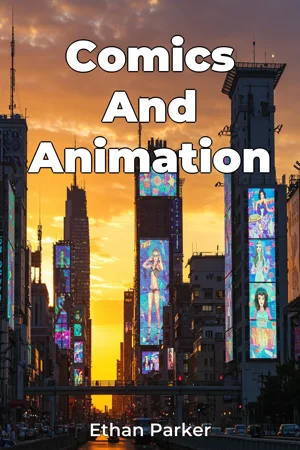
Comics and Animation explores the deep connection between comic books and animation, revealing how the visual language of comics has significantly shaped animation's evolution. Comics and Animation highlights that comics aren't just a precursor to animation but a continuous source of inspiration and adaptation. Early comic strips played a crucial role in laying the groundwork for animated storytelling, demonstrating how pioneers borrowed techniques from each other. Comics and Animation dissects visual storytelling elements shared by both mediums, like character design and color use, through comparative analyses. It explores the impact of comic book genres such as superhero comics, manga, and bandes dessinées on animation, examining adaptations and reinterpretations. It also investigates how animated works have inspired new trends in comic book art. Drawing from diverse sources, Comics and Animation provides a global perspective, analyzing examples from American superhero animation to Japanese anime. Its comprehensive approach emphasizes the ongoing dialogue between comics and animation, moving beyond simple adaptation to explore their dynamic interplay, making it valuable for anyone interested in film, art, and media studies.
Book Details
ISBN
9788235234582
Publisher
Publifye AS
Your Licenses
You don't own any licenses for this book
Purchase a license below to unlock this book and download the EPUB.
Purchase License
Select a tier to unlock this book
Need bulk licensing?
Contact us for enterprise agreements.