
About This Book
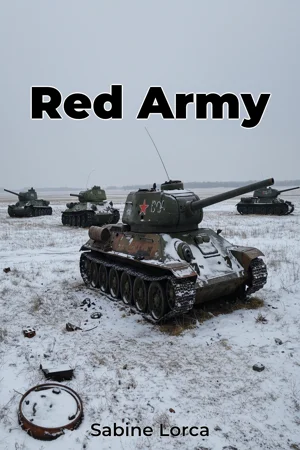
How did a nascent revolutionary force transform into one of the 20th century's most formidable military powers? "Red Army" meticulously traces the origins, evolution, and impact of the Soviet Red Army, examining its pivotal role in shaping not only the Soviet Union but also the course of global conflicts. This book delves into the foundational strategies that underpinned the Red Army, the socio-political context of its formation, and its complex legacy on military history. The book addresses several key topics: the Red Army's emergence from the chaos of the Russian Revolution and Civil War; the development and implementation of its unique military doctrines influenced by both internal ideological debates and external threats; and its performance in major conflicts, most notably World War II, and its subsequent impact on the Cold War. These topics are crucial to understanding 20th-century geopolitics, the evolution of military thought, and the enduring effects of communist ideology on warfare. To fully appreciate the Red Army's significance, the book provides essential historical context, including the internal power struggles within the Bolshevik party, the challenges of industrializing a vast and diverse nation, and the ever-present threat of foreign intervention. A fundamental understanding of Marxist-Leninist ideology and its application to military organization is also beneficial. The central argument of "Red Army" is that the Red Army's development cannot be understood solely through a lens of military strategy; instead, it must be viewed as an extension of Soviet political and social policy, deeply intertwined with the communist state's ambitions. This perspective challenges traditional military histories that focus solely on tactics and operations, highlighting the interplay between ideology, social engineering, and military effectiveness. The book begins by exploring the Red Army’s inception during the Russian Civil War, detailing the challenges of building a professional army from revolutionary militias. It then moves to examine the key military theorists and doctrines that shaped its development, including deep battle and deep operations. Subsequent chapters analyze its performance in various conflicts, including its purges leading up to and during its initial struggles in World War II, its eventual triumph against Nazi Germany, and its role in solidifying Soviet influence in Eastern Europe. The book culminates by examining the Red Army's legacy in the Cold War and its lasting impact on modern military thought. The analysis is grounded in extensive research, drawing upon translated primary sources from Soviet archives, including military directives, training manuals, and personal accounts of soldiers and commanders. Furthermore, it incorporates secondary scholarship from both Western and Russian historians, providing a balanced and nuanced perspective. "Red Army" connects to other fields such as political science through its analysis of the relationship between military power and state ideology; sociology through its examination of the Red Army as a social institution and its impact on Soviet society; and economics through its assessment of the economic resources required to sustain a large and modern military force. These connections underscore the multidisciplinary nature of military history and its relevance to broader societal trends. This book offers a unique perspective by integrating military analysis with social and political history, highlighting the ways in which the Red Army reflected and reinforced the Soviet system. This approach moves beyond traditional accounts of battles and campaigns, offering a more comprehensive understanding of the Red Army's role in the 20th century. Written in a clear and accessible style, "Red Army" is aimed at students of military history, political science, and Soviet history, as well as general readers interested in understanding the complexities of 20th-century warfare and the rise and fall of the Soviet Union. While providing a comprehensive overview of the Red Army, the book acknowledges limitations in accessing certain sensitive archival materials, focusing primarily on publicly available sources and established historical interpretations. The historical lessons in "Red Army" are relevant to contemporary discussions about military modernization, civil-military relations, and the impact of ideology on military effectiveness. By examining the Red Army's successes and failures, the book offers valuable insights for policymakers and military leaders facing similar challenges today. The book also explores debates surrounding the Red Army's conduct during World War II, including controversies over civilian casualties and the treatment of prisoners of war, offering a critical assessment of its ethical and moral dimensions.
How did a nascent revolutionary force transform into one of the 20th century's most formidable military powers? "Red Army" meticulously traces the origins, evolution, and impact of the Soviet Red Army, examining its pivotal role in shaping not only the Soviet Union but also the course of global conflicts. This book delves into the foundational strategies that underpinned the Red Army, the socio-political context of its formation, and its complex legacy on military history. The book addresses several key topics: the Red Army's emergence from the chaos of the Russian Revolution and Civil War; the development and implementation of its unique military doctrines influenced by both internal ideological debates and external threats; and its performance in major conflicts, most notably World War II, and its subsequent impact on the Cold War. These topics are crucial to understanding 20th-century geopolitics, the evolution of military thought, and the enduring effects of communist ideology on warfare. To fully appreciate the Red Army's significance, the book provides essential historical context, including the internal power struggles within the Bolshevik party, the challenges of industrializing a vast and diverse nation, and the ever-present threat of foreign intervention. A fundamental understanding of Marxist-Leninist ideology and its application to military organization is also beneficial. The central argument of "Red Army" is that the Red Army's development cannot be understood solely through a lens of military strategy; instead, it must be viewed as an extension of Soviet political and social policy, deeply intertwined with the communist state's ambitions. This perspective challenges traditional military histories that focus solely on tactics and operations, highlighting the interplay between ideology, social engineering, and military effectiveness. The book begins by exploring the Red Army’s inception during the Russian Civil War, detailing the challenges of building a professional army from revolutionary militias. It then moves to examine the key military theorists and doctrines that shaped its development, including deep battle and deep operations. Subsequent chapters analyze its performance in various conflicts, including its purges leading up to and during its initial struggles in World War II, its eventual triumph against Nazi Germany, and its role in solidifying Soviet influence in Eastern Europe. The book culminates by examining the Red Army's legacy in the Cold War and its lasting impact on modern military thought. The analysis is grounded in extensive research, drawing upon translated primary sources from Soviet archives, including military directives, training manuals, and personal accounts of soldiers and commanders. Furthermore, it incorporates secondary scholarship from both Western and Russian historians, providing a balanced and nuanced perspective. "Red Army" connects to other fields such as political science through its analysis of the relationship between military power and state ideology; sociology through its examination of the Red Army as a social institution and its impact on Soviet society; and economics through its assessment of the economic resources required to sustain a large and modern military force. These connections underscore the multidisciplinary nature of military history and its relevance to broader societal trends. This book offers a unique perspective by integrating military analysis with social and political history, highlighting the ways in which the Red Army reflected and reinforced the Soviet system. This approach moves beyond traditional accounts of battles and campaigns, offering a more comprehensive understanding of the Red Army's role in the 20th century. Written in a clear and accessible style, "Red Army" is aimed at students of military history, political science, and Soviet history, as well as general readers interested in understanding the complexities of 20th-century warfare and the rise and fall of the Soviet Union. While providing a comprehensive overview of the Red Army, the book acknowledges limitations in accessing certain sensitive archival materials, focusing primarily on publicly available sources and established historical interpretations. The historical lessons in "Red Army" are relevant to contemporary discussions about military modernization, civil-military relations, and the impact of ideology on military effectiveness. By examining the Red Army's successes and failures, the book offers valuable insights for policymakers and military leaders facing similar challenges today. The book also explores debates surrounding the Red Army's conduct during World War II, including controversies over civilian casualties and the treatment of prisoners of war, offering a critical assessment of its ethical and moral dimensions.
"Red Army" presents a comprehensive exploration of the Soviet Red Army, detailing its transformation from a revolutionary force into a 20th-century military superpower. The book argues that the Red Army's development was intrinsically linked to Soviet political and social policy, reflecting the communist state's ambitions. Readers gain insight into the Red Army’s unique military doctrines, such as "Deep Battle" and "Deep Operations", which aimed at overwhelming the enemy through coordinated, continuous attacks across the depth of the battlefield. The book further highlights the Red Army's pivotal role in World War II, where it faced immense challenges but ultimately triumphed against Nazi Germany. The book meticulously traces the evolution of the Red Army across its chapters. It begins with its chaotic origins during the Russian Civil War, progresses through the development of its key military doctrines, and analyzes its performance in major conflicts. Subsequent chapters delve into the Red Army's purges, its initial struggles and eventual triumph in World War II, and its lasting impact on the Cold War. By integrating military analysis with social and political history, "Red Army" offers a unique perspective, moving beyond traditional accounts of battles to provide a more comprehensive understanding.
Book Details
ISBN
9788235234520
Publisher
Publifye AS
Your Licenses
You don't own any licenses for this book
Purchase a license below to unlock this book and download the EPUB.
Purchase License
Select a tier to unlock this book
Need bulk licensing?
Contact us for enterprise agreements.