
About This Book
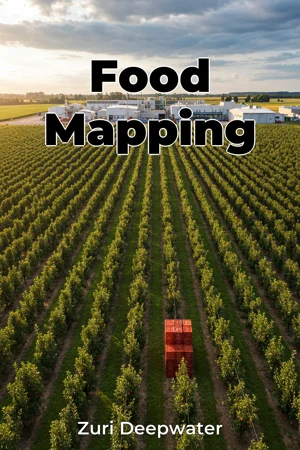
In an era where consumers are increasingly concerned about the origin and safety of their food, can we truly trace the journey of a single apple from orchard to table? "Food Mapping" delves into the transformative potential of food traceability technology, exploring its multifaceted impact on production, transportation, and safety measures within the global food supply chain. This book examines how these technologies are not just about tracking products, but about building trust, ensuring quality, and fostering sustainability in a complex and interconnected world. This book addresses the growing need for transparency and accountability in the food industry. It examines the pivotal role of technology in mapping the entire food lifecycle, from the farm to the consumer. We will explore two core themes: firstly, the technological infrastructure that enables food traceability, encompassing blockchain, IoT sensors, and data analytics; and secondly, the management and business strategies needed to implement and leverage these technologies effectively. These topics are significant because they offer solutions to critical challenges such as food fraud, contamination outbreaks, and supply chain inefficiencies. "Food Mapping" provides a comprehensive overview of the evolution of food traceability, from traditional methods of record-keeping to the sophisticated digital systems of today. Readers will gain an understanding of the historical factors that have driven the demand for greater transparency, including food safety scandals and changing consumer expectations. No prerequisite knowledge is required, as the book explains technical concepts in an accessible manner. The central argument of "Food Mapping" is that effective food traceability systems are essential for building resilient and trustworthy food supply chains. This argument is crucial because it highlights the power of technology to transform the food industry from one often shrouded in opacity to one characterized by openness and responsibility. The book begins by introducing the core concepts of food traceability and mapping. It then develops these ideas through examinations of key areas: the technologies involved in tracking food products; the business management strategies needed to implement these systems; and the regulatory frameworks that govern food safety and traceability. The culmination of the book demonstrates practical applications across diverse sectors, using case studies and analyses to illustrate the real-world impact of food traceability technologies. It concludes by addressing practical implications, presenting actionable strategies for businesses to adopt traceability solutions and for policymakers to promote safer and more sustainable food systems. "Food Mapping" draws upon a range of evidence and research, including industry reports, academic studies, and case studies of successful traceability implementations. It uses real-world data and examples to support its arguments, and it also incorporates insights from interviews with industry experts, policymakers, and technology developers. The book connects to various fields, including supply chain management, data science, and public health. By integrating these perspectives, "Food Mapping" provides a holistic understanding of the challenges and opportunities associated with food traceability. It also explores the intersection of food traceability with sustainability initiatives, demonstrating how tracking technologies can help reduce food waste and promote responsible resource management. "Food Mapping" adopts a practical and analytical approach, providing readers with actionable insights and strategies. The tone is informative and accessible. The target audience includes food industry professionals, supply chain managers, technology developers, policymakers, and consumers interested in learning more about the future of food safety and sustainability. This book is valuable to them as it provides a comprehensive overview of the technologies, strategies, and regulations shaping the food supply chain. As a work of management, business management, and technology, the book maintains a focus on real-world applications and practical solutions. The scope is broad, covering a wide range of food products and traceability technologies, but it is limited to systems focused on providing information about the provenance and safety of products. The book does not delve into in-depth technical specifications or proprietary software solutions. By understanding how food traceability systems work, businesses can improve their supply chain efficiency, reduce the risk of foodborne illnesses, and enhance their brand reputation. Consumers can make more informed purchasing decisions, supporting companies that prioritize transparency and sustainability. "Food Mapping" tackles ongoing discussions about the cost of implementing traceability systems, balancing regulatory requirements with the needs of small producers, and ensuring data privacy in the digital age.
In an era where consumers are increasingly concerned about the origin and safety of their food, can we truly trace the journey of a single apple from orchard to table? "Food Mapping" delves into the transformative potential of food traceability technology, exploring its multifaceted impact on production, transportation, and safety measures within the global food supply chain. This book examines how these technologies are not just about tracking products, but about building trust, ensuring quality, and fostering sustainability in a complex and interconnected world. This book addresses the growing need for transparency and accountability in the food industry. It examines the pivotal role of technology in mapping the entire food lifecycle, from the farm to the consumer. We will explore two core themes: firstly, the technological infrastructure that enables food traceability, encompassing blockchain, IoT sensors, and data analytics; and secondly, the management and business strategies needed to implement and leverage these technologies effectively. These topics are significant because they offer solutions to critical challenges such as food fraud, contamination outbreaks, and supply chain inefficiencies. "Food Mapping" provides a comprehensive overview of the evolution of food traceability, from traditional methods of record-keeping to the sophisticated digital systems of today. Readers will gain an understanding of the historical factors that have driven the demand for greater transparency, including food safety scandals and changing consumer expectations. No prerequisite knowledge is required, as the book explains technical concepts in an accessible manner. The central argument of "Food Mapping" is that effective food traceability systems are essential for building resilient and trustworthy food supply chains. This argument is crucial because it highlights the power of technology to transform the food industry from one often shrouded in opacity to one characterized by openness and responsibility. The book begins by introducing the core concepts of food traceability and mapping. It then develops these ideas through examinations of key areas: the technologies involved in tracking food products; the business management strategies needed to implement these systems; and the regulatory frameworks that govern food safety and traceability. The culmination of the book demonstrates practical applications across diverse sectors, using case studies and analyses to illustrate the real-world impact of food traceability technologies. It concludes by addressing practical implications, presenting actionable strategies for businesses to adopt traceability solutions and for policymakers to promote safer and more sustainable food systems. "Food Mapping" draws upon a range of evidence and research, including industry reports, academic studies, and case studies of successful traceability implementations. It uses real-world data and examples to support its arguments, and it also incorporates insights from interviews with industry experts, policymakers, and technology developers. The book connects to various fields, including supply chain management, data science, and public health. By integrating these perspectives, "Food Mapping" provides a holistic understanding of the challenges and opportunities associated with food traceability. It also explores the intersection of food traceability with sustainability initiatives, demonstrating how tracking technologies can help reduce food waste and promote responsible resource management. "Food Mapping" adopts a practical and analytical approach, providing readers with actionable insights and strategies. The tone is informative and accessible. The target audience includes food industry professionals, supply chain managers, technology developers, policymakers, and consumers interested in learning more about the future of food safety and sustainability. This book is valuable to them as it provides a comprehensive overview of the technologies, strategies, and regulations shaping the food supply chain. As a work of management, business management, and technology, the book maintains a focus on real-world applications and practical solutions. The scope is broad, covering a wide range of food products and traceability technologies, but it is limited to systems focused on providing information about the provenance and safety of products. The book does not delve into in-depth technical specifications or proprietary software solutions. By understanding how food traceability systems work, businesses can improve their supply chain efficiency, reduce the risk of foodborne illnesses, and enhance their brand reputation. Consumers can make more informed purchasing decisions, supporting companies that prioritize transparency and sustainability. "Food Mapping" tackles ongoing discussions about the cost of implementing traceability systems, balancing regulatory requirements with the needs of small producers, and ensuring data privacy in the digital age.
In an era demanding transparency, "Food Mapping" explores how technology is revolutionizing the food industry through enhanced food traceability. The book dives into the use of blockchain, IoT sensors, and data analytics to map the journey of food products from origin to consumer. Readers will discover how these technologies not only track products but also build trust, ensure food safety, and foster sustainability within the complex global food supply chain. Did you know that effective traceability systems can significantly reduce the risk of foodborne illnesses and combat food fraud? The book presents a comprehensive overview, progressing from traditional record-keeping methods to today's sophisticated digital systems. It examines the technologies involved in tracking food products, the business management strategies needed for implementation, and the regulatory frameworks governing food safety. Real-world case studies illustrate the impact of traceability technologies across diverse sectors, providing actionable strategies for businesses and policymakers. Ultimately, "Food Mapping" argues that these systems are essential for creating resilient and trustworthy food supply chains, offering solutions to challenges like supply chain inefficiencies.
Book Details
ISBN
9788235234506
Publisher
Publifye AS
Your Licenses
You don't own any licenses for this book
Purchase a license below to unlock this book and download the EPUB.
Purchase License
Select a tier to unlock this book
Need bulk licensing?
Contact us for enterprise agreements.