
About This Book
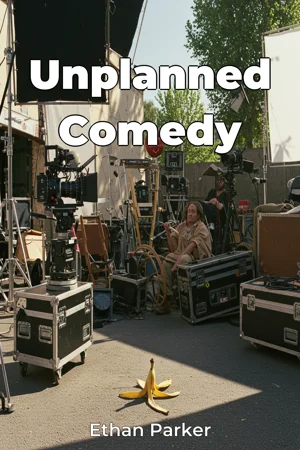
Have you ever found yourself laughing at a news report gone wrong, a historical figure's accidental blunder, or a live TV broadcast that veered wildly off script? "Unplanned Comedy" delves into those very moments where serious events inadvertently morph into sources of humor, exploring the surprising intersection of history, film, television, and the unpredictable nature of human activity. This book examines why we find humor in the unexpected, focusing on the dynamics of unintentional comedy within the realms of historical events and broadcast media. It argues that these moments, far from being mere accidents, offer unique insights into societal norms, human fallibility, and the power of comedic relief in even the most serious situations. The book is structured around three core concepts: the anatomy of unintentional comedy, its prevalence in historical and political contexts, and its frequent occurrence within the film and television industry. The examination starts by establishing a working definition of "unplanned comedy," differentiating it from satire, parody, and other intentional forms of humor. It then investigates the psychological and sociological reasons why we find these moments funny. Later, the narrative shifts to the historical stage providing specific examples such as political gaffes that altered public perception, diplomatic incidents that became comedic fodder, and technological mishaps that revealed the absurdity of human ambition. The analysis includes how those moments were perceived at the time versus how they are viewed through a modern lens. The second major segment focuses on the world of film and television. It analyzes live broadcast errors, on-set accidents during movie production, and unscripted moments that made their way into final cuts. The book explores the technical reasons behind these errors, the reactions of those involved, and the ways in which these moments have become iconic or even legendary. It considers the blurring lines between reality and performance, especially in reality television, and the quest for authenticity that can often lead to unintended comedic outcomes. "Unplanned Comedy" provides a comprehensive overview supported by a range of evidence, including archival news footage, transcripts of speeches, behind-the-scenes documentaries, and interviews with media professionals. It also draws upon academic research in fields such as media studies, sociology, and humor theory. The book aims to connect with political science by evaluating how these unplanned moments altered public perception by connecting our media habits to comedic theory. It also touches upon psychology by analyzing why viewers respond to specific unintentional moments in ways that they do. The writing style is accessible, aiming to appeal to a broad audience with an interest in history, film, television, and the cultural impact of unforeseen events. While grounded in research, the tone is engaging and conversational, making it readable for both casual enthusiasts and students of media studies. The book fills a unique niche by focusing specifically on the unintentional comedic aspects of serious events, offering a fresh perspective on familiar historical moments and media blunders. While the book covers a wide range of examples, it focuses primarily on Western culture and media due to research and language limitations. The goal is to provide readers with a new perspective on the world around them, by identifying the comedy that often emerges from the most unexpected places. It will encourage them to look at the world with a more critical and humorous eye, appreciating the absurdities of life as they unfold in real-time.
Have you ever found yourself laughing at a news report gone wrong, a historical figure's accidental blunder, or a live TV broadcast that veered wildly off script? "Unplanned Comedy" delves into those very moments where serious events inadvertently morph into sources of humor, exploring the surprising intersection of history, film, television, and the unpredictable nature of human activity. This book examines why we find humor in the unexpected, focusing on the dynamics of unintentional comedy within the realms of historical events and broadcast media. It argues that these moments, far from being mere accidents, offer unique insights into societal norms, human fallibility, and the power of comedic relief in even the most serious situations. The book is structured around three core concepts: the anatomy of unintentional comedy, its prevalence in historical and political contexts, and its frequent occurrence within the film and television industry. The examination starts by establishing a working definition of "unplanned comedy," differentiating it from satire, parody, and other intentional forms of humor. It then investigates the psychological and sociological reasons why we find these moments funny. Later, the narrative shifts to the historical stage providing specific examples such as political gaffes that altered public perception, diplomatic incidents that became comedic fodder, and technological mishaps that revealed the absurdity of human ambition. The analysis includes how those moments were perceived at the time versus how they are viewed through a modern lens. The second major segment focuses on the world of film and television. It analyzes live broadcast errors, on-set accidents during movie production, and unscripted moments that made their way into final cuts. The book explores the technical reasons behind these errors, the reactions of those involved, and the ways in which these moments have become iconic or even legendary. It considers the blurring lines between reality and performance, especially in reality television, and the quest for authenticity that can often lead to unintended comedic outcomes. "Unplanned Comedy" provides a comprehensive overview supported by a range of evidence, including archival news footage, transcripts of speeches, behind-the-scenes documentaries, and interviews with media professionals. It also draws upon academic research in fields such as media studies, sociology, and humor theory. The book aims to connect with political science by evaluating how these unplanned moments altered public perception by connecting our media habits to comedic theory. It also touches upon psychology by analyzing why viewers respond to specific unintentional moments in ways that they do. The writing style is accessible, aiming to appeal to a broad audience with an interest in history, film, television, and the cultural impact of unforeseen events. While grounded in research, the tone is engaging and conversational, making it readable for both casual enthusiasts and students of media studies. The book fills a unique niche by focusing specifically on the unintentional comedic aspects of serious events, offering a fresh perspective on familiar historical moments and media blunders. While the book covers a wide range of examples, it focuses primarily on Western culture and media due to research and language limitations. The goal is to provide readers with a new perspective on the world around them, by identifying the comedy that often emerges from the most unexpected places. It will encourage them to look at the world with a more critical and humorous eye, appreciating the absurdities of life as they unfold in real-time.
"Unplanned Comedy" explores the fascinating world of unintentional humor found in history, film, and television. It delves into moments where serious events unexpectedly become comedic, offering a unique perspective on political gaffes, media blunders, and on-set accidents. This book examines why we laugh at the unexpected, revealing insights into societal norms and human fallibility. One intriguing aspect is how historical events, initially perceived seriously, gain comedic value over time. Another is the way live broadcast errors or unscripted moments can become legendary, blurring the lines between reality and performance. The book approaches the topic by defining "unplanned comedy" and distinguishing it from intentional forms of humor like satire. It then investigates the psychological and sociological reasons behind our amusement. Progressing from historical and political contexts to the film and television industry, the book analyzes examples ranging from diplomatic incidents turned comedic fodder to on-set accidents in movies. It supports its analysis with archival footage, transcripts, and interviews, offering a comprehensive overview of how unintentional comedy shapes our perception of the world.
Book Details
ISBN
9788235234124
Publisher
Publifye AS
Your Licenses
You don't own any licenses for this book
Purchase a license below to unlock this book and download the EPUB.
Purchase License
Select a tier to unlock this book
Need bulk licensing?
Contact us for enterprise agreements.