
About This Book
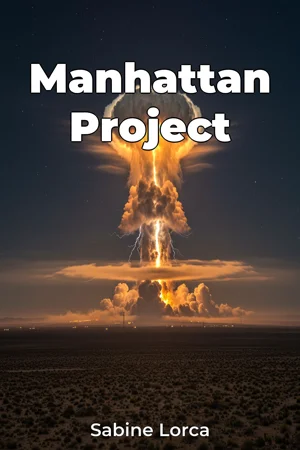
How did the United States manage to unlock the secrets of the atom and unleash a weapon of unprecedented destructive power in such a short time? "Manhattan Project" delves into the complex and multifaceted story of the United States' effort to develop nuclear weapons during World War II, exploring the scientific breakthroughs, the formidable logistical challenges, and the profound moral and geopolitical consequences of atomic warfare. This book will examine the scientific ingenuity behind the project, the vast industrial undertaking required to bring it to fruition, and the lasting impact of nuclear weapons on global politics and military strategy. The book addresses three main topics. First, it details the physics involved—the fundamental scientific discoveries that made atomic weapons possible, including the work of physicists like Enrico Fermi, Leo Szilard, and J. Robert Oppenheimer. Second, it delves into the massive engineering and industrial effort required to enrich uranium and produce plutonium, focusing on the construction and operation of facilities like Oak Ridge, Hanford, and Los Alamos. Finally, the book analyzes the ethical and strategic implications of using atomic weapons, examining the debates among scientists and policymakers regarding the decision to bomb Hiroshima and Nagasaki. The historical context of the Manhattan Project is crucial. World War II created a sense of urgency, with fears that Nazi Germany was also pursuing nuclear weapons. This perceived threat propelled the United States to invest vast resources into a program shrouded in secrecy. The book assumes a basic understanding of World War II history and a general familiarity with scientific concepts like atoms, isotopes, and nuclear fission. The central argument of "Manhattan Project" is that the development of nuclear weapons was not merely a scientific or technological achievement but a complex intersection of scientific discovery, industrial capability, political decision-making, and moral compromise. The book contends that understanding the multifaceted nature of the Manhattan Project is essential for grappling with the ongoing challenges posed by nuclear weapons proliferation and the role of science in warfare. The book is structured in three parts. The first section introduces the scientific principles underlying nuclear fission and the key figures who contributed to early research, culminating in the realization of the possibility of a chain reaction. The second section details the establishment and operation of the various sites involved in the Manhattan Project, describing the industrial processes used to produce fissile materials and the challenges of maintaining secrecy and security. The final section analyzes the decision-making process that led to the use of atomic bombs, the immediate aftermath of the bombings, and the long-term consequences for international relations and nuclear arms control. The culmination explores the legacy of the project and its continued relevance in the 21st century. The book will draw upon a variety of sources, including declassified government documents, personal papers of scientists and military officials involved in the project, oral histories, and scientific publications. It will also utilize technical reports and engineering specifications to explain the complex processes involved in uranium enrichment and plutonium production. The book connects to other fields of study, including: science and technology studies, which examines the social and political contexts of scientific and technological development; political science, which analyzes the role of nuclear weapons in international relations and arms control; and ethics, which explores the moral dilemmas posed by weapons of mass destruction. These connections enhance the book's argument by providing a broader perspective on the Manhattan Project's significance. "Manhattan Project" offers a balanced and nuanced perspective on the project, avoiding both outright condemnation and uncritical celebration. Instead, it seeks to provide a comprehensive account of the scientific, technological, and human dimensions of this pivotal moment in history. The book is written in a clear and accessible style, suitable for a general audience interested in science, history, and military affairs. It avoids technical jargon whenever possible and provides explanations of complex scientific concepts in plain language. The target audience includes readers interested in World War II history, the history of science and technology, military strategy, and international relations. It would also be valuable for students studying these subjects at the undergraduate or graduate level. As a work of military history, the book meticulously documents the planning, execution, and ramifications of a critical wartime initiative. The scope of the book is limited to the Manhattan Project itself, focusing primarily on the U.S. effort to develop nuclear weapons. While it acknowledges the contributions of scientists and engineers from other countries, it does not provide a comprehensive account of nuclear weapons programs in other nations. Understanding the history of the Manhattan Project is crucial for informing current debates about nuclear proliferation, arms control, and the ethical responsibilities of scientists and engineers. The decision to use atomic weapons remains a subject of intense debate, with historians and ethicists offering conflicting interpretations of the motivations and consequences of this act. "Manhattan Project" will address these debates by presenting a range of perspectives and providing readers with the information needed to form their own informed opinions.
How did the United States manage to unlock the secrets of the atom and unleash a weapon of unprecedented destructive power in such a short time? "Manhattan Project" delves into the complex and multifaceted story of the United States' effort to develop nuclear weapons during World War II, exploring the scientific breakthroughs, the formidable logistical challenges, and the profound moral and geopolitical consequences of atomic warfare. This book will examine the scientific ingenuity behind the project, the vast industrial undertaking required to bring it to fruition, and the lasting impact of nuclear weapons on global politics and military strategy. The book addresses three main topics. First, it details the physics involved—the fundamental scientific discoveries that made atomic weapons possible, including the work of physicists like Enrico Fermi, Leo Szilard, and J. Robert Oppenheimer. Second, it delves into the massive engineering and industrial effort required to enrich uranium and produce plutonium, focusing on the construction and operation of facilities like Oak Ridge, Hanford, and Los Alamos. Finally, the book analyzes the ethical and strategic implications of using atomic weapons, examining the debates among scientists and policymakers regarding the decision to bomb Hiroshima and Nagasaki. The historical context of the Manhattan Project is crucial. World War II created a sense of urgency, with fears that Nazi Germany was also pursuing nuclear weapons. This perceived threat propelled the United States to invest vast resources into a program shrouded in secrecy. The book assumes a basic understanding of World War II history and a general familiarity with scientific concepts like atoms, isotopes, and nuclear fission. The central argument of "Manhattan Project" is that the development of nuclear weapons was not merely a scientific or technological achievement but a complex intersection of scientific discovery, industrial capability, political decision-making, and moral compromise. The book contends that understanding the multifaceted nature of the Manhattan Project is essential for grappling with the ongoing challenges posed by nuclear weapons proliferation and the role of science in warfare. The book is structured in three parts. The first section introduces the scientific principles underlying nuclear fission and the key figures who contributed to early research, culminating in the realization of the possibility of a chain reaction. The second section details the establishment and operation of the various sites involved in the Manhattan Project, describing the industrial processes used to produce fissile materials and the challenges of maintaining secrecy and security. The final section analyzes the decision-making process that led to the use of atomic bombs, the immediate aftermath of the bombings, and the long-term consequences for international relations and nuclear arms control. The culmination explores the legacy of the project and its continued relevance in the 21st century. The book will draw upon a variety of sources, including declassified government documents, personal papers of scientists and military officials involved in the project, oral histories, and scientific publications. It will also utilize technical reports and engineering specifications to explain the complex processes involved in uranium enrichment and plutonium production. The book connects to other fields of study, including: science and technology studies, which examines the social and political contexts of scientific and technological development; political science, which analyzes the role of nuclear weapons in international relations and arms control; and ethics, which explores the moral dilemmas posed by weapons of mass destruction. These connections enhance the book's argument by providing a broader perspective on the Manhattan Project's significance. "Manhattan Project" offers a balanced and nuanced perspective on the project, avoiding both outright condemnation and uncritical celebration. Instead, it seeks to provide a comprehensive account of the scientific, technological, and human dimensions of this pivotal moment in history. The book is written in a clear and accessible style, suitable for a general audience interested in science, history, and military affairs. It avoids technical jargon whenever possible and provides explanations of complex scientific concepts in plain language. The target audience includes readers interested in World War II history, the history of science and technology, military strategy, and international relations. It would also be valuable for students studying these subjects at the undergraduate or graduate level. As a work of military history, the book meticulously documents the planning, execution, and ramifications of a critical wartime initiative. The scope of the book is limited to the Manhattan Project itself, focusing primarily on the U.S. effort to develop nuclear weapons. While it acknowledges the contributions of scientists and engineers from other countries, it does not provide a comprehensive account of nuclear weapons programs in other nations. Understanding the history of the Manhattan Project is crucial for informing current debates about nuclear proliferation, arms control, and the ethical responsibilities of scientists and engineers. The decision to use atomic weapons remains a subject of intense debate, with historians and ethicists offering conflicting interpretations of the motivations and consequences of this act. "Manhattan Project" will address these debates by presenting a range of perspectives and providing readers with the information needed to form their own informed opinions.
"Manhattan Project" explores the United States' race to develop nuclear weapons during World War II, a feat accomplished through unprecedented scientific collaboration and industrial effort. The book delves into not only the physics that made the atomic bomb possible but also the immense engineering undertaking required to enrich uranium and produce plutonium at sites like Oak Ridge and Hanford. Readers will gain insight into how figures like Oppenheimer and Fermi contributed to this pivotal moment in science history and military affairs. The book uniquely balances scientific details with the ethical and strategic implications of using such destructive power. It examines the debates surrounding the bombings of Hiroshima and Nagasaki, acknowledging the complex moral compromises involved. Understanding the Manhattan Project is crucial, as it highlights the intersection of science, politics, and ethics in warfare and arms control. Structured in three parts, the book begins with the scientific principles of nuclear fission, progresses through the establishment and operation of key project sites, and concludes with an analysis of the decision to use atomic bombs and their lasting global consequences. This approach provides a comprehensive view, making it valuable for those interested in military history, science history, and the ongoing challenges of nuclear proliferation.
Book Details
ISBN
9788235234056
Publisher
Publifye AS
Your Licenses
You don't own any licenses for this book
Purchase a license below to unlock this book and download the EPUB.
Purchase License
Select a tier to unlock this book
Need bulk licensing?
Contact us for enterprise agreements.