
About This Book
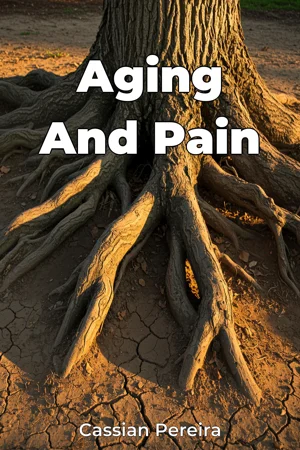
Does the sting of a scraped knee feel different now than it did in childhood? "Aging And Pain" delves into the intricate relationship between pain sensitivity and the aging process, offering insights and strategies to effectively manage chronic discomfort. This book is essential for understanding how our perception of pain evolves as we age and how to navigate the challenges of chronic pain conditions that become more prevalent later in life. We will explore key topics, including the physiological changes in pain processing that occur with age, the psychological factors that influence pain perception, and evidence-based strategies for pain management. These topics are important because chronic pain significantly impacts quality of life, affecting mobility, sleep, mood, and overall well-being, particularly among older adults. The book provides context by examining historical perspectives on pain management and tracing the evolution of scientific understanding of nociception and pain modulation. It also addresses the social context of aging and pain, including stereotypes, healthcare access, and the emotional toll of living with chronic pain. Readers will benefit from a basic understanding of human physiology and the nervous system, although complex concepts are explained in accessible language. The central argument of "Aging And Pain" is that pain sensitivity changes with age due to a complex interplay of biological, psychological, and social factors, and that a multi-faceted approach is crucial for effective pain management in older adults. This argument challenges the notion that pain is an inevitable part of aging and emphasizes the potential for interventions that improve the lives of those living with chronic pain. The book is structured to provide a comprehensive understanding of pain and aging, beginning with an introduction to the fundamentals of pain physiology and the mechanisms underlying age-related changes in pain sensitivity. We then delve into specific pain conditions common in older adults, such as arthritis, neuropathy, and back pain, analyzing their unique features and challenges. Psychological factors, including anxiety, depression, and coping strategies are examined, along with their impact on pain perception and management. The culmination of the argument involves presenting a range of evidence-based pain management strategies, including pharmacological interventions, physical therapy, psychological therapies, and alternative medicine approaches. We conclude with practical guidance on how to implement these strategies in real-world settings and empower individuals to take control of their pain management. Evidence presented throughout the book draws on a variety of sources, including clinical trials, longitudinal studies, neuroimaging research, and meta-analyses. We also incorporate qualitative data from interviews with older adults living with chronic pain, providing valuable insights into their experiences and perspectives. "Aging And Pain" connects to various fields, including gerontology, psychology, and pharmacology. The intersection with gerontology highlights the broader context of aging and its impact on health and well-being. The connection with psychology emphasizes the role of mental and emotional factors in pain perception and management. The link with pharmacology explores the use of medications in pain relief and the potential risks and benefits for older adults. The book presents an innovative perspective by integrating the biopsychosocial model of pain with the unique challenges of aging. This approach acknowledges the complex interaction of biological, psychological, and social factors in shaping the pain experience and emphasizes the need for personalized and multi-faceted interventions. The writing style is professional yet accessible, blending scientific rigor with clear and engaging language. The aim is to provide evidence-based information in a way that is both informative and empowering for readers. The target audience includes healthcare professionals (physicians, nurses, physical therapists, psychologists), caregivers, and older adults living with chronic pain. This book is valuable to them because it provides the knowledge and tools needed to understand and effectively manage pain in the context of aging. As a health and fitness and medical general book, "Aging And Pain" adheres to the genre conventions by presenting evidence-based information, providing practical guidance, and addressing common concerns and misconceptions about pain management. The scope of the book is broad, covering a wide range of pain conditions and management strategies, but it is limited to the context of aging. It does not delve into specific surgical interventions or advanced pain management techniques that may be outside the scope of general practice. The information presented in "Aging And Pain" can be applied practically by readers in various ways. Older adults can use the knowledge to better understand their pain and advocate for effective treatment. Healthcare professionals can use the book to enhance their understanding of pain management in older adults and provide more comprehensive and personalized care. Caregivers can use the book to support loved ones living with chronic pain and navigate the challenges of pain management. The book addresses ongoing debates surrounding the use of opioids in chronic pain management, the role of psychological therapies, and the effectiveness of alternative medicine approaches. It presents a balanced perspective, acknowledging the potential benefits and risks of each approach and emphasizing the importance of individualized treatment plans.
Does the sting of a scraped knee feel different now than it did in childhood? "Aging And Pain" delves into the intricate relationship between pain sensitivity and the aging process, offering insights and strategies to effectively manage chronic discomfort. This book is essential for understanding how our perception of pain evolves as we age and how to navigate the challenges of chronic pain conditions that become more prevalent later in life. We will explore key topics, including the physiological changes in pain processing that occur with age, the psychological factors that influence pain perception, and evidence-based strategies for pain management. These topics are important because chronic pain significantly impacts quality of life, affecting mobility, sleep, mood, and overall well-being, particularly among older adults. The book provides context by examining historical perspectives on pain management and tracing the evolution of scientific understanding of nociception and pain modulation. It also addresses the social context of aging and pain, including stereotypes, healthcare access, and the emotional toll of living with chronic pain. Readers will benefit from a basic understanding of human physiology and the nervous system, although complex concepts are explained in accessible language. The central argument of "Aging And Pain" is that pain sensitivity changes with age due to a complex interplay of biological, psychological, and social factors, and that a multi-faceted approach is crucial for effective pain management in older adults. This argument challenges the notion that pain is an inevitable part of aging and emphasizes the potential for interventions that improve the lives of those living with chronic pain. The book is structured to provide a comprehensive understanding of pain and aging, beginning with an introduction to the fundamentals of pain physiology and the mechanisms underlying age-related changes in pain sensitivity. We then delve into specific pain conditions common in older adults, such as arthritis, neuropathy, and back pain, analyzing their unique features and challenges. Psychological factors, including anxiety, depression, and coping strategies are examined, along with their impact on pain perception and management. The culmination of the argument involves presenting a range of evidence-based pain management strategies, including pharmacological interventions, physical therapy, psychological therapies, and alternative medicine approaches. We conclude with practical guidance on how to implement these strategies in real-world settings and empower individuals to take control of their pain management. Evidence presented throughout the book draws on a variety of sources, including clinical trials, longitudinal studies, neuroimaging research, and meta-analyses. We also incorporate qualitative data from interviews with older adults living with chronic pain, providing valuable insights into their experiences and perspectives. "Aging And Pain" connects to various fields, including gerontology, psychology, and pharmacology. The intersection with gerontology highlights the broader context of aging and its impact on health and well-being. The connection with psychology emphasizes the role of mental and emotional factors in pain perception and management. The link with pharmacology explores the use of medications in pain relief and the potential risks and benefits for older adults. The book presents an innovative perspective by integrating the biopsychosocial model of pain with the unique challenges of aging. This approach acknowledges the complex interaction of biological, psychological, and social factors in shaping the pain experience and emphasizes the need for personalized and multi-faceted interventions. The writing style is professional yet accessible, blending scientific rigor with clear and engaging language. The aim is to provide evidence-based information in a way that is both informative and empowering for readers. The target audience includes healthcare professionals (physicians, nurses, physical therapists, psychologists), caregivers, and older adults living with chronic pain. This book is valuable to them because it provides the knowledge and tools needed to understand and effectively manage pain in the context of aging. As a health and fitness and medical general book, "Aging And Pain" adheres to the genre conventions by presenting evidence-based information, providing practical guidance, and addressing common concerns and misconceptions about pain management. The scope of the book is broad, covering a wide range of pain conditions and management strategies, but it is limited to the context of aging. It does not delve into specific surgical interventions or advanced pain management techniques that may be outside the scope of general practice. The information presented in "Aging And Pain" can be applied practically by readers in various ways. Older adults can use the knowledge to better understand their pain and advocate for effective treatment. Healthcare professionals can use the book to enhance their understanding of pain management in older adults and provide more comprehensive and personalized care. Caregivers can use the book to support loved ones living with chronic pain and navigate the challenges of pain management. The book addresses ongoing debates surrounding the use of opioids in chronic pain management, the role of psychological therapies, and the effectiveness of alternative medicine approaches. It presents a balanced perspective, acknowledging the potential benefits and risks of each approach and emphasizing the importance of individualized treatment plans.
"Aging And Pain" explores the intricate connection between aging and pain, offering valuable insights into how pain sensitivity changes as we grow older. It addresses the rising prevalence of chronic pain in older adults and emphasizes that pain isn't an inevitable part of aging but a condition that can be managed. The book challenges the assumption that older individuals must simply accept chronic pain, highlighting the potential for interventions that significantly improve their quality of life. The book examines the biological, psychological, and social factors that influence pain perception in older adults. It delves into specific conditions like arthritis and neuropathy, common sources of chronic pain. Furthermore, it emphasizes the importance of a multifaceted approach to pain management, integrating pharmacological interventions, physical therapy, and psychological strategies. The book progresses logically, starting with the fundamentals of pain physiology and moving towards practical guidance on implementing effective pain management techniques in real-world scenarios.
Book Details
ISBN
9788235233974
Publisher
Publifye AS
Your Licenses
You don't own any licenses for this book
Purchase a license below to unlock this book and download the EPUB.
Purchase License
Select a tier to unlock this book
Need bulk licensing?
Contact us for enterprise agreements.