
About This Book
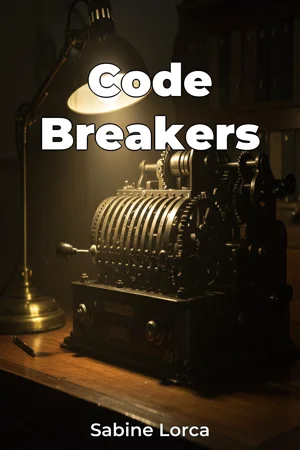
Can the course of history be altered by a single intercepted message? "Code Breakers" delves into the clandestine world of cryptographers and intelligence experts, revealing how their ingenuity and dedication have shaped the destinies of nations. This book explores the pivotal role of codebreaking in military history, examining how these often-unsung heroes have influenced the outcomes of conflicts, protected national security, and advanced the science of cryptography itself. We will uncover the individuals behind the breakthroughs, and their lasting impact. This book’s significance rests on three central pillars: the evolution of cryptographic techniques, the strategies employed to decipher them, and the historical consequences of both. Understanding these elements is crucial, because codebreaking remains a vital aspect of modern espionage, cybersecurity, and international relations. The history of codebreaking is a complex narrative involving mathematics, linguistics, technology, and human psychology—disciplines that have become increasingly intertwined in the digital age. "Code Breakers" unfolds as a chronological exploration of cryptographic history. It starts with the rudimentary ciphers of ancient civilizations and progresses to the complex algorithms that safeguard digital communications today. The book examines key moments in codebreaking history, each representing a leap forward in both coding and decoding techniques. We will examine the Zimmermann Telegram, a seemingly insignificant message that propelled the United States into World War I, and the breaking of the Enigma code during World War II, a feat that significantly shortened the conflict and saved countless lives. The book culminates in an examination of modern cryptography and its implications for national security and personal privacy. The central argument of "Code Breakers" is that codebreaking is not merely a technical skill but a critical component of national power and a reflection of human ingenuity under pressure. The book contends that throughout history, nations with superior codebreaking capabilities have consistently held a strategic advantage, demonstrating the importance of investing in and understanding this often hidden realm. The narrative is supported by historical documents, biographical accounts, and technological analyses. Primary source material, such as intercepted messages, personal papers of key figures, and technical schematics of cryptographic devices, provides insight into the challenges and triumphs of codebreakers throughout history. The book also incorporates research from academic journals, historical archives, and interviews with contemporary cryptographers and intelligence officials. "Code Breakers" draws connections between military history, computer science, and political science. It demonstrates how each field informs and is influenced by the others. For example, the development of modern computers was accelerated by the need to break increasingly complex codes during World War II. The book also explores the ethical and political implications of codebreaking, recognizing its impact on international relations and individual privacy. The book offers a unique perspective by focusing on both the technical aspects of codebreaking and the human stories behind the codebreakers. By highlighting the personalities, motivations, and challenges of the individuals involved, the book aims to make a complex subject accessible and engaging to a broader audience. Written in a narrative non-fiction style, "Code Breakers" aims for readability without sacrificing accuracy. The book is intended for general readers with an interest in history, military strategy, or technology. No prior knowledge of cryptography is required, as technical concepts are explained in clear and easily understandable language. As a work of military history, "Code Breakers" adheres to the genre's emphasis on factual accuracy, detailed research, and balanced analysis. It avoids sensationalism, presenting the events and individuals in their historical context and acknowledging the complexities and ambiguities inherent in the subject matter. While "Code Breakers" strives to provide a comprehensive overview of codebreaking history, it acknowledges certain limitations in scope. Given the vastness of the subject, the book focuses primarily on examples of codebreaking that have had a significant impact on global events, with an emphasis on Western intelligence agencies. Ultimately, "Code Breakers" offers valuable lessons for understanding the interplay of technology, strategy, and human intelligence in the modern world. By examining the successes and failures of the past, it provides insights into the challenges and opportunities facing policymakers, security professionals, and everyday citizens in an increasingly interconnected and digitized world.
Can the course of history be altered by a single intercepted message? "Code Breakers" delves into the clandestine world of cryptographers and intelligence experts, revealing how their ingenuity and dedication have shaped the destinies of nations. This book explores the pivotal role of codebreaking in military history, examining how these often-unsung heroes have influenced the outcomes of conflicts, protected national security, and advanced the science of cryptography itself. We will uncover the individuals behind the breakthroughs, and their lasting impact. This book’s significance rests on three central pillars: the evolution of cryptographic techniques, the strategies employed to decipher them, and the historical consequences of both. Understanding these elements is crucial, because codebreaking remains a vital aspect of modern espionage, cybersecurity, and international relations. The history of codebreaking is a complex narrative involving mathematics, linguistics, technology, and human psychology—disciplines that have become increasingly intertwined in the digital age. "Code Breakers" unfolds as a chronological exploration of cryptographic history. It starts with the rudimentary ciphers of ancient civilizations and progresses to the complex algorithms that safeguard digital communications today. The book examines key moments in codebreaking history, each representing a leap forward in both coding and decoding techniques. We will examine the Zimmermann Telegram, a seemingly insignificant message that propelled the United States into World War I, and the breaking of the Enigma code during World War II, a feat that significantly shortened the conflict and saved countless lives. The book culminates in an examination of modern cryptography and its implications for national security and personal privacy. The central argument of "Code Breakers" is that codebreaking is not merely a technical skill but a critical component of national power and a reflection of human ingenuity under pressure. The book contends that throughout history, nations with superior codebreaking capabilities have consistently held a strategic advantage, demonstrating the importance of investing in and understanding this often hidden realm. The narrative is supported by historical documents, biographical accounts, and technological analyses. Primary source material, such as intercepted messages, personal papers of key figures, and technical schematics of cryptographic devices, provides insight into the challenges and triumphs of codebreakers throughout history. The book also incorporates research from academic journals, historical archives, and interviews with contemporary cryptographers and intelligence officials. "Code Breakers" draws connections between military history, computer science, and political science. It demonstrates how each field informs and is influenced by the others. For example, the development of modern computers was accelerated by the need to break increasingly complex codes during World War II. The book also explores the ethical and political implications of codebreaking, recognizing its impact on international relations and individual privacy. The book offers a unique perspective by focusing on both the technical aspects of codebreaking and the human stories behind the codebreakers. By highlighting the personalities, motivations, and challenges of the individuals involved, the book aims to make a complex subject accessible and engaging to a broader audience. Written in a narrative non-fiction style, "Code Breakers" aims for readability without sacrificing accuracy. The book is intended for general readers with an interest in history, military strategy, or technology. No prior knowledge of cryptography is required, as technical concepts are explained in clear and easily understandable language. As a work of military history, "Code Breakers" adheres to the genre's emphasis on factual accuracy, detailed research, and balanced analysis. It avoids sensationalism, presenting the events and individuals in their historical context and acknowledging the complexities and ambiguities inherent in the subject matter. While "Code Breakers" strives to provide a comprehensive overview of codebreaking history, it acknowledges certain limitations in scope. Given the vastness of the subject, the book focuses primarily on examples of codebreaking that have had a significant impact on global events, with an emphasis on Western intelligence agencies. Ultimately, "Code Breakers" offers valuable lessons for understanding the interplay of technology, strategy, and human intelligence in the modern world. By examining the successes and failures of the past, it provides insights into the challenges and opportunities facing policymakers, security professionals, and everyday citizens in an increasingly interconnected and digitized world.
"Code Breakers" explores the crucial role of cryptographers and intelligence experts throughout history, showing how their work has influenced military outcomes and shaped national security. The book reveals how codebreaking is more than just a technical skill; it's a critical component of national power, illustrating human ingenuity under pressure. Discover how even a single intercepted message, like the Zimmermann Telegram, could alter the course of history. The book unfolds chronologically, beginning with ancient ciphers and progressing to the complex algorithms used in modern digital communications. It highlights key moments, such as cracking the Enigma code during World War II, a feat that significantly impacted the war's duration. Through historical documents and biographical accounts, the book connects military history, computer science, and political science, demonstrating their interconnectedness. By focusing on both the technical aspects of codebreaking and the personal stories of the cryptographers involved, "Code Breakers" makes a complex subject accessible to a broad audience. It emphasizes the importance of understanding the past to navigate the challenges and opportunities of an increasingly digitized world, providing valuable lessons for policymakers and everyday citizens alike.
Book Details
ISBN
9788235233967
Publisher
Publifye AS
Your Licenses
You don't own any licenses for this book
Purchase a license below to unlock this book and download the EPUB.
Purchase License
Select a tier to unlock this book
Need bulk licensing?
Contact us for enterprise agreements.