
About This Book
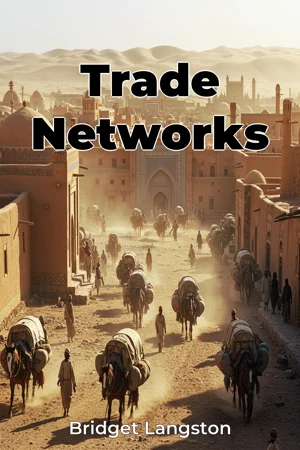
How did the simple exchange of goods evolve into the intricate global network that shapes our world today? "Trade Networks" delves into the fascinating history and evolution of global trade routes, examining their profound economic impact, their role in facilitating cultural exchange, and their influence on geopolitical shifts throughout history. Understanding these networks is crucial because they underpin modern economies, fuel cultural diffusion, and impact international relations. This exploration requires an understanding of basic economic principles, historical timelines, and geographical contexts. The book provides a framework for appreciating how trade has shaped civilizations and empires, requiring no prior advanced knowledge but enriching the reader's comprehension of world history and economics. The central argument of "Trade Networks" posits that global trade routes are not merely conduits for goods and services but are, in fact, fundamental drivers of societal change, cultural interaction, and power dynamics on a global scale. The book demonstrates how the establishment, modification, and disruption of these networks have consistently redefined the economic, social, and political landscape throughout recorded history. The book unfolds in a structured manner, beginning with an introduction to the fundamental concepts of trade, supply and demand, and the early stages of trade route development. It then progresses through several key periods and regions. First, it explores the ancient trade routes, such as the Silk Road and the maritime routes of the Indian Ocean, examining their impact on the economies and cultures of Asia, Africa, and Europe. Second, it analyzes the development of transatlantic trade during the Age of Exploration, focusing on the Columbian Exchange and its effects on global demographics, agricultural practices, and the rise of mercantilism. The third section examines trade in the industrial era, and subsequent globalization. The book culminates with an examination of contemporary trade networks, analyzing the rise of global supply chains, the impact of international trade organizations like the World Trade Organization (WTO), and the geopolitical implications of trade imbalances and trade wars. "Trade Networks" supports its arguments with a diverse range of evidence, including quantitative data on trade volumes and economic indicators, historical accounts from travelers and merchants, and case studies of specific trade agreements and their consequences. The book also draws upon archaeological findings and analyses of material culture to illustrate the impact of trade on local societies. This book connects to the fields of political science, anthropology, and sociology, illuminating how trade networks influence political alliances, cultural identities, and social structures. The book adopts a holistic, interdisciplinary approach, considering the economic, social, cultural, and political dimensions of trade networks. A unique aspect of "Trade Networks" is its emphasis on the interplay between economic forces and geopolitical strategies. The book highlights the ways in which trade routes have been used as tools of diplomacy, instruments of power projection, and sources of conflict throughout history. Written in an accessible style, "Trade Networks" targets a broad audience, including students of history, economics, and international relations, as well as general readers interested in understanding the forces that have shaped the modern world. The book offers valuable insights into the complexities of global trade and its impact on societies across the globe. As a work of non-fiction within the genres of economics, world history, and history, the book adheres to rigorous standards of accuracy and objectivity. It presents a balanced account of the benefits and drawbacks of global trade, acknowledging both its contributions to economic growth and its potential to exacerbate inequalities. The scope of the book is intentionally broad, covering a vast sweep of history and geography. However, due to space constraints, the book does not delve into highly specialized topics such as specific commodity markets or individual company strategies. The insights offered in "Trade Networks" have numerous real-world applications. Policymakers can use this historical perspective to inform decisions about trade agreements and international relations. Business leaders can use the book to better understand the dynamics of global supply chains. And general readers can gain a deeper appreciation of the interconnectedness of the modern world. Finally, "Trade Networks" addresses some of the ongoing debates surrounding globalization, such as the role of free trade in promoting economic development, the impact of trade on labor standards and environmental sustainability, and the challenges of managing trade imbalances and trade disputes.
How did the simple exchange of goods evolve into the intricate global network that shapes our world today? "Trade Networks" delves into the fascinating history and evolution of global trade routes, examining their profound economic impact, their role in facilitating cultural exchange, and their influence on geopolitical shifts throughout history. Understanding these networks is crucial because they underpin modern economies, fuel cultural diffusion, and impact international relations. This exploration requires an understanding of basic economic principles, historical timelines, and geographical contexts. The book provides a framework for appreciating how trade has shaped civilizations and empires, requiring no prior advanced knowledge but enriching the reader's comprehension of world history and economics. The central argument of "Trade Networks" posits that global trade routes are not merely conduits for goods and services but are, in fact, fundamental drivers of societal change, cultural interaction, and power dynamics on a global scale. The book demonstrates how the establishment, modification, and disruption of these networks have consistently redefined the economic, social, and political landscape throughout recorded history. The book unfolds in a structured manner, beginning with an introduction to the fundamental concepts of trade, supply and demand, and the early stages of trade route development. It then progresses through several key periods and regions. First, it explores the ancient trade routes, such as the Silk Road and the maritime routes of the Indian Ocean, examining their impact on the economies and cultures of Asia, Africa, and Europe. Second, it analyzes the development of transatlantic trade during the Age of Exploration, focusing on the Columbian Exchange and its effects on global demographics, agricultural practices, and the rise of mercantilism. The third section examines trade in the industrial era, and subsequent globalization. The book culminates with an examination of contemporary trade networks, analyzing the rise of global supply chains, the impact of international trade organizations like the World Trade Organization (WTO), and the geopolitical implications of trade imbalances and trade wars. "Trade Networks" supports its arguments with a diverse range of evidence, including quantitative data on trade volumes and economic indicators, historical accounts from travelers and merchants, and case studies of specific trade agreements and their consequences. The book also draws upon archaeological findings and analyses of material culture to illustrate the impact of trade on local societies. This book connects to the fields of political science, anthropology, and sociology, illuminating how trade networks influence political alliances, cultural identities, and social structures. The book adopts a holistic, interdisciplinary approach, considering the economic, social, cultural, and political dimensions of trade networks. A unique aspect of "Trade Networks" is its emphasis on the interplay between economic forces and geopolitical strategies. The book highlights the ways in which trade routes have been used as tools of diplomacy, instruments of power projection, and sources of conflict throughout history. Written in an accessible style, "Trade Networks" targets a broad audience, including students of history, economics, and international relations, as well as general readers interested in understanding the forces that have shaped the modern world. The book offers valuable insights into the complexities of global trade and its impact on societies across the globe. As a work of non-fiction within the genres of economics, world history, and history, the book adheres to rigorous standards of accuracy and objectivity. It presents a balanced account of the benefits and drawbacks of global trade, acknowledging both its contributions to economic growth and its potential to exacerbate inequalities. The scope of the book is intentionally broad, covering a vast sweep of history and geography. However, due to space constraints, the book does not delve into highly specialized topics such as specific commodity markets or individual company strategies. The insights offered in "Trade Networks" have numerous real-world applications. Policymakers can use this historical perspective to inform decisions about trade agreements and international relations. Business leaders can use the book to better understand the dynamics of global supply chains. And general readers can gain a deeper appreciation of the interconnectedness of the modern world. Finally, "Trade Networks" addresses some of the ongoing debates surrounding globalization, such as the role of free trade in promoting economic development, the impact of trade on labor standards and environmental sustainability, and the challenges of managing trade imbalances and trade disputes.
"Trade Networks" explores the evolution of global trade routes, revealing their profound impact on economies, cultural exchange, and geopolitics. This book argues that these networks are fundamental drivers of societal change, shaping power dynamics throughout history. Consider the Silk Road, an early trade route that not only facilitated the exchange of goods between East and West but also fostered the spread of ideas, technologies, and religious beliefs. Similarly, the Age of Exploration saw transatlantic trade transform global demographics and agricultural practices. The book begins by introducing basic economic principles and early trade route development, then progresses through key periods and regions. It examines ancient routes like the Silk Road, analyzes transatlantic trade during the Age of Exploration, and delves into the industrial era and subsequent globalization. Through quantitative data, historical accounts, and case studies, "Trade Networks" supports its arguments, providing a holistic view of the interplay between economic forces and geopolitical strategies. This unique approach emphasizes how trade routes have served as tools of diplomacy, power projection, and sources of conflict. By understanding these dynamics, readers can gain valuable insights into contemporary issues such as global supply chains, international trade organizations, and trade imbalances, making it a valuable resource for anyone interested in economics, world history, and international relations.
Book Details
ISBN
9788235233929
Publisher
Publifye AS
Your Licenses
You don't own any licenses for this book
Purchase a license below to unlock this book and download the EPUB.
Purchase License
Select a tier to unlock this book
Need bulk licensing?
Contact us for enterprise agreements.