
About This Book
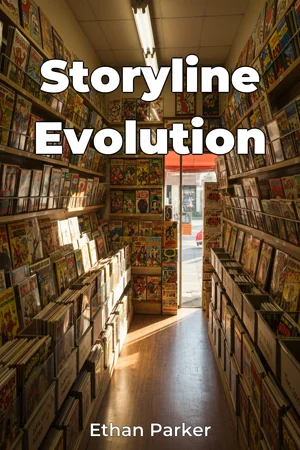
How have LGBTQ+ characters and narratives evolved from subtext to the forefront of comic book storytelling, and what do these changes reveal about broader shifts in social attitudes and graphic narrative techniques? "Storyline Evolution" delves into this fascinating intersection, meticulously tracing the development of LGBTQ+-centric plots in comics, examining their structure, tone, and message within established graphic storytelling traditions. This book is important because it not only highlights the representation of a historically marginalized community, but also illuminates how evolving social norms influence the creation and reception of art. The book addresses key topics: the historical underrepresentation and misrepresentation of LGBTQ+ characters in comics; the gradual emergence of more nuanced and authentic portrayals; and the impact of these portrayals on both the LGBTQ+ community and mainstream comic readership. Understanding the history of comics is essential to appreciating the changes that have occurred, as early depictions often relied on harmful stereotypes or subtle coding to hint at LGBTQ+ identities, reflecting the social constraints of the time. This book argues that the increasing visibility and complexity of LGBTQ+ characters in comics is not merely a trend, but a reflection of broader societal progress and a powerful medium for shaping perspectives. "Storyline Evolution" is structured to provide a comprehensive understanding of this evolution. It begins by establishing the historical context, examining early examples of LGBTQ+ representation (or lack thereof) and the societal factors that influenced them. The book then proceeds to analyze key periods of change, focusing on the emergence of independent comics and the rise of creator-owned titles, which often provided more space for diverse voices and stories. Later chapters analyze mainstream superhero comics and their hesitant, but eventual, embrace of LGBTQ+ characters and storylines. Specific attention is given to the ways in which graphic storytelling conventions – panel layout, character design, dialogue – are used to convey these narratives. The book culminates by considering the future of LGBTQ+ representation in comics and its potential to further shape social attitudes. This analysis is supported by a wide range of primary and secondary sources, including close readings of specific comic books, interviews with creators, and historical analyses of social and cultural contexts. The book also draws on data from comic book sales and readership demographics to assess the impact of LGBTQ+-inclusive comics on the industry. The book connects to fields such as gender studies, cultural studies, and media studies, providing a rich interdisciplinary perspective on the topic. This interdisciplinary approach enhances the book's argument by demonstrating the interconnectedness of social change, artistic expression, and media representation. "Storyline Evolution" takes a unique approach by focusing not only on the content of LGBTQ+-centric plots but also on the formal elements of graphic storytelling. It explores how the visual language of comics – panel composition, character design, use of color – contributes to the overall message and impact of these stories. The book's tone is academic yet accessible, aiming to engage both scholars and general readers interested in comics, LGBTQ+ studies, and media representation. It would be valuable to students, researchers, and anyone interested in the intersection of social change and popular culture. The scope of the book is limited to North American comics, with a focus on mainstream and independent publications. While acknowledging the global nature of the comic book industry, this focus allows for a more in-depth analysis of a specific cultural context. The information presented in "Storyline Evolution" has real-world applications for educators, activists, and creators seeking to promote more inclusive and representative media. By understanding the historical trends and ongoing challenges in LGBTQ+ representation, readers can become more informed consumers and creators of media. It directly addresses debates surrounding representation, authenticity, and the role of comics in shaping social attitudes.
How have LGBTQ+ characters and narratives evolved from subtext to the forefront of comic book storytelling, and what do these changes reveal about broader shifts in social attitudes and graphic narrative techniques? "Storyline Evolution" delves into this fascinating intersection, meticulously tracing the development of LGBTQ+-centric plots in comics, examining their structure, tone, and message within established graphic storytelling traditions. This book is important because it not only highlights the representation of a historically marginalized community, but also illuminates how evolving social norms influence the creation and reception of art. The book addresses key topics: the historical underrepresentation and misrepresentation of LGBTQ+ characters in comics; the gradual emergence of more nuanced and authentic portrayals; and the impact of these portrayals on both the LGBTQ+ community and mainstream comic readership. Understanding the history of comics is essential to appreciating the changes that have occurred, as early depictions often relied on harmful stereotypes or subtle coding to hint at LGBTQ+ identities, reflecting the social constraints of the time. This book argues that the increasing visibility and complexity of LGBTQ+ characters in comics is not merely a trend, but a reflection of broader societal progress and a powerful medium for shaping perspectives. "Storyline Evolution" is structured to provide a comprehensive understanding of this evolution. It begins by establishing the historical context, examining early examples of LGBTQ+ representation (or lack thereof) and the societal factors that influenced them. The book then proceeds to analyze key periods of change, focusing on the emergence of independent comics and the rise of creator-owned titles, which often provided more space for diverse voices and stories. Later chapters analyze mainstream superhero comics and their hesitant, but eventual, embrace of LGBTQ+ characters and storylines. Specific attention is given to the ways in which graphic storytelling conventions – panel layout, character design, dialogue – are used to convey these narratives. The book culminates by considering the future of LGBTQ+ representation in comics and its potential to further shape social attitudes. This analysis is supported by a wide range of primary and secondary sources, including close readings of specific comic books, interviews with creators, and historical analyses of social and cultural contexts. The book also draws on data from comic book sales and readership demographics to assess the impact of LGBTQ+-inclusive comics on the industry. The book connects to fields such as gender studies, cultural studies, and media studies, providing a rich interdisciplinary perspective on the topic. This interdisciplinary approach enhances the book's argument by demonstrating the interconnectedness of social change, artistic expression, and media representation. "Storyline Evolution" takes a unique approach by focusing not only on the content of LGBTQ+-centric plots but also on the formal elements of graphic storytelling. It explores how the visual language of comics – panel composition, character design, use of color – contributes to the overall message and impact of these stories. The book's tone is academic yet accessible, aiming to engage both scholars and general readers interested in comics, LGBTQ+ studies, and media representation. It would be valuable to students, researchers, and anyone interested in the intersection of social change and popular culture. The scope of the book is limited to North American comics, with a focus on mainstream and independent publications. While acknowledging the global nature of the comic book industry, this focus allows for a more in-depth analysis of a specific cultural context. The information presented in "Storyline Evolution" has real-world applications for educators, activists, and creators seeking to promote more inclusive and representative media. By understanding the historical trends and ongoing challenges in LGBTQ+ representation, readers can become more informed consumers and creators of media. It directly addresses debates surrounding representation, authenticity, and the role of comics in shaping social attitudes.
"Storyline Evolution" examines the progression of LGBTQ+ characters and narratives in North American comics, reflecting evolving social attitudes and graphic narrative techniques. The book traces how these characters have moved from subtext to the forefront, highlighting the impact of independent comics and, later, mainstream superhero comics in fostering more nuanced portrayals. Early depictions often relied on harmful stereotypes due to social constraints, but the increasing visibility signals broader societal progress. The book uniquely focuses on both the content of LGBTQ+-centric plots and the formal elements of graphic storytelling, such as panel composition and character design. By analyzing comic book history and incorporating insights from gender studies and cultural studies, "Storyline Evolution" offers an interdisciplinary perspective. The book begins by establishing a historical context, then analyzes key periods of change, and culminates by considering the future of LGBTQ+ representation in comics.
Book Details
ISBN
9788235233875
Publisher
Publifye AS
Your Licenses
You don't own any licenses for this book
Purchase a license below to unlock this book and download the EPUB.
Purchase License
Select a tier to unlock this book
Need bulk licensing?
Contact us for enterprise agreements.