
About This Book
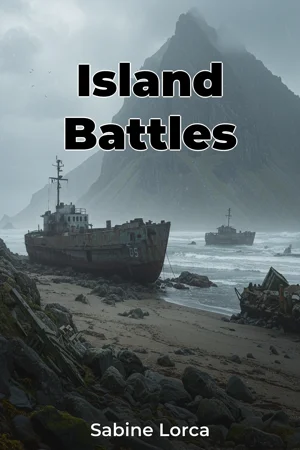
Why do island battles throughout history exert such a powerful influence on the trajectory of wars and geopolitical landscapes? Island battles represent a unique intersection of naval power, amphibious warfare, and the strategic importance of controlling limited landmasses surrounded by vast expanses of water. "Island Battles" delves into pivotal historical clashes, dissecting the multifaceted dynamics that define these conflicts. This book will reveal the complex interplay of military strategy, logistical challenges, and the human cost associated with securing or defending island territories. This book is structured around three core themes: strategic significance, operational execution, and long-term consequences. The study underscores the strategic importance of islands as stepping stones for wider campaigns, vital resource hubs, or critical chokepoints in oceanic trade routes. Then, the intricacies of operational execution are examined, detailing the planning, coordination, and technological innovations employed in amphibious assaults and island defense. Finally, the work analyzes the lasting implications of these battles, considering their impact on territorial control, political alliances, and the evolution of military doctrine. "Island Battles" provides a historical context beginning with naval engagements of the early 20th century and the Pacific Theater of World War II, progresses to modern amphibious operations in strategically contested regions. The narrative emphasizes the role of naval superiority, air power, and ground troops. It avoids over-technical details, focusing instead on offering a clear, comprehensive view making military history accessible to any reader. The central argument of this book is that island battles, while geographically confined, often serve as bellwethers for broader geopolitical shifts and advancements in military strategy. The book supports this argument with meticulous analysis of historical records, primary source accounts from soldiers and commanders, and detailed assessments of military technology and tactics. Naval logs, battlefield maps, and previously unpublished archival material offer fresh insights into the planning and execution of these operations. The book’s structure follows a chronological and thematic approach. The introduction sets the stage by exploring the fundamental challenges and opportunities inherent in island warfare. The first main section focuses on World War II Pacific campaigns like Guadalcanal, Iwo Jima, and Okinawa. These examples illustrate the escalating intensity and evolving tactics of amphibious assaults against entrenched defenders. The second major section transitions to post-WWII conflicts, examining battles like the Falklands War, and analyzing the evolving role of special operations forces and advanced technology in modern island warfare. The concluding section synthesizes the lessons learned from these diverse engagements, highlighting the enduring principles of island warfare. The book also explores interdisciplinary connections, linking military history with elements of geopolitics, maritime law, and environmental studies. The strategic importance of islands extends beyond military considerations, impacting territorial disputes, resource management, and the preservation of unique ecosystems. Unlike conventional military histories that emphasize grand strategies and large-scale conflicts, "Island Battles" adopts a granular approach, examining the tactical decisions, logistical hurdles, and human experiences that shaped the outcome of these localized encounters. The book is written in a clear, accessible style, avoiding jargon and technical language. The target audience includes military history enthusiasts, students of international relations, and anyone interested in understanding the complexities of modern warfare. This book provides valuable insights for military professionals, policymakers, and historians seeking to understand the enduring relevance of island battles in shaping the global landscape. "Island Battles" acknowledges its limitations. While offering a comprehensive overview of significant island battles, it does not delve into every single instance of such conflict. Instead, it focuses on providing representative case studies that illustrate broader trends and strategic principles. Ultimately, this book offers practical insights for understanding current geopolitical tensions, particularly in regions with contested island territories. It provides a framework for analyzing future conflicts and assessing the strategic importance of island possessions in an increasingly interconnected world. The book also addresses ongoing debates surrounding the ethics of amphibious warfare, the impact of military operations on island communities, and the long-term environmental consequences of these conflicts.
Why do island battles throughout history exert such a powerful influence on the trajectory of wars and geopolitical landscapes? Island battles represent a unique intersection of naval power, amphibious warfare, and the strategic importance of controlling limited landmasses surrounded by vast expanses of water. "Island Battles" delves into pivotal historical clashes, dissecting the multifaceted dynamics that define these conflicts. This book will reveal the complex interplay of military strategy, logistical challenges, and the human cost associated with securing or defending island territories. This book is structured around three core themes: strategic significance, operational execution, and long-term consequences. The study underscores the strategic importance of islands as stepping stones for wider campaigns, vital resource hubs, or critical chokepoints in oceanic trade routes. Then, the intricacies of operational execution are examined, detailing the planning, coordination, and technological innovations employed in amphibious assaults and island defense. Finally, the work analyzes the lasting implications of these battles, considering their impact on territorial control, political alliances, and the evolution of military doctrine. "Island Battles" provides a historical context beginning with naval engagements of the early 20th century and the Pacific Theater of World War II, progresses to modern amphibious operations in strategically contested regions. The narrative emphasizes the role of naval superiority, air power, and ground troops. It avoids over-technical details, focusing instead on offering a clear, comprehensive view making military history accessible to any reader. The central argument of this book is that island battles, while geographically confined, often serve as bellwethers for broader geopolitical shifts and advancements in military strategy. The book supports this argument with meticulous analysis of historical records, primary source accounts from soldiers and commanders, and detailed assessments of military technology and tactics. Naval logs, battlefield maps, and previously unpublished archival material offer fresh insights into the planning and execution of these operations. The book’s structure follows a chronological and thematic approach. The introduction sets the stage by exploring the fundamental challenges and opportunities inherent in island warfare. The first main section focuses on World War II Pacific campaigns like Guadalcanal, Iwo Jima, and Okinawa. These examples illustrate the escalating intensity and evolving tactics of amphibious assaults against entrenched defenders. The second major section transitions to post-WWII conflicts, examining battles like the Falklands War, and analyzing the evolving role of special operations forces and advanced technology in modern island warfare. The concluding section synthesizes the lessons learned from these diverse engagements, highlighting the enduring principles of island warfare. The book also explores interdisciplinary connections, linking military history with elements of geopolitics, maritime law, and environmental studies. The strategic importance of islands extends beyond military considerations, impacting territorial disputes, resource management, and the preservation of unique ecosystems. Unlike conventional military histories that emphasize grand strategies and large-scale conflicts, "Island Battles" adopts a granular approach, examining the tactical decisions, logistical hurdles, and human experiences that shaped the outcome of these localized encounters. The book is written in a clear, accessible style, avoiding jargon and technical language. The target audience includes military history enthusiasts, students of international relations, and anyone interested in understanding the complexities of modern warfare. This book provides valuable insights for military professionals, policymakers, and historians seeking to understand the enduring relevance of island battles in shaping the global landscape. "Island Battles" acknowledges its limitations. While offering a comprehensive overview of significant island battles, it does not delve into every single instance of such conflict. Instead, it focuses on providing representative case studies that illustrate broader trends and strategic principles. Ultimately, this book offers practical insights for understanding current geopolitical tensions, particularly in regions with contested island territories. It provides a framework for analyzing future conflicts and assessing the strategic importance of island possessions in an increasingly interconnected world. The book also addresses ongoing debates surrounding the ethics of amphibious warfare, the impact of military operations on island communities, and the long-term environmental consequences of these conflicts.
"Island Battles" examines the profound impact of island battles on military history and world history, highlighting how these geographically constrained conflicts often dictate broader geopolitical shifts. The book dissects pivotal clashes, revealing the complex interplay of military strategy, amphibious warfare, and naval power required to secure vital island territories. Islands frequently serve as crucial stepping stones for larger campaigns, as illustrated by the intense fighting during World War II Pacific campaigns, such as Guadalcanal and Okinawa. The book is structured around strategic significance, operational execution, and long-term consequences. It analyzes the planning, coordination, and technological innovations of amphibious assaults and island defense, while also considering the lasting impact on territorial control and military doctrine. For example, the Falklands War demonstrates the evolving role of special operations forces in modern island warfare. The book's approach avoids overly technical details, offering a clear and comprehensive view of military history. Beginning with early 20th-century naval engagements and progressing to modern amphibious operations, "Island Battles" offers practical insights into understanding current geopolitical tensions, especially in regions with contested island territories. By examining tactical decisions, logistical hurdles, and human experiences, the book provides a unique perspective on these localized encounters, making it valuable for military professionals, policymakers, and history enthusiasts.
Book Details
ISBN
9788235233813
Publisher
Publifye AS
Your Licenses
You don't own any licenses for this book
Purchase a license below to unlock this book and download the EPUB.
Purchase License
Select a tier to unlock this book
Need bulk licensing?
Contact us for enterprise agreements.