
About This Book
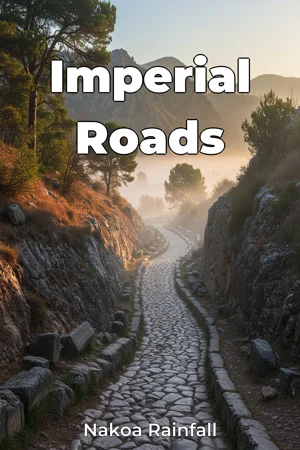
What if the key to understanding our modern world lies buried beneath our feet, in the meticulously engineered stones of ancient roadways? "Imperial Roads" delves into the fascinating history, technological innovation, and lasting legacy of ancient road systems, revealing their profound economic, military, and social impacts. Understanding these ancient networks offers critical insights into the foundations of modern infrastructure and the evolution of global connectivity. This book explores two key themes: the advanced engineering behind these road systems and their crucial role in empire building and maintenance. We will analyze how these road networks facilitated trade, communication, and military control, shaping the political and economic landscapes of their respective eras. Examining these topics is important because it highlights the enduring influence of ancient civilizations on our contemporary world, demonstrating that even seemingly simple infrastructure projects can have transformative effects on society. The book provides essential historical context, examining the social structures, technological capabilities, and political climates that enabled the construction and maintenance of these complex road systems. Readers will gain an understanding of basic engineering principles, such as surveying, grading, and drainage, as applied to ancient road construction. "Imperial Roads" argues that the development and implementation of sophisticated road networks were central to the rise and sustenance of empires. By providing efficient means of transportation and communication, these roads enabled centralized control, facilitated economic growth, and supported military expansion. This argument is significant because it challenges the conventional focus on military conquest and political maneuvering as the sole drivers of imperial success, emphasizing the crucial role of infrastructure. The book's structure begins with an introduction to the concept of road networks as essential components of ancient civilizations. It then develops this idea through three major sections. The first section details the engineering techniques employed in constructing these roads, drawing on archaeological evidence and historical accounts to illustrate the ingenuity and skill of ancient engineers. The second section examines the economic and military functions of these roads, exploring their impact on trade, resource distribution, and troop movements. The third section analyzes the social and cultural effects of these road systems, investigating their role in promoting cultural exchange, disseminating information, and shaping social identities. The book culminates by demonstrating how the principles and practices of ancient road construction continue to influence modern infrastructure development. Evidence presented in "Imperial Roads" includes archaeological findings, such as road remains, tools, and inscriptions, as well as historical texts, maps, and administrative records. The book also incorporates comparative analyses of different road systems, highlighting both their similarities and differences. Interdisciplinary connections enrich the book's argument. It draws on archaeology, engineering, economics, and sociology to provide a comprehensive understanding of ancient road systems. These connections enhance the book's argument by demonstrating the multifaceted nature of infrastructure and its impact on various aspects of society. "Imperial Roads" offers a unique perspective by examining road systems not merely as transportation routes, but as complex socio-technical systems that shaped the course of history. It highlights the interplay between engineering, economics, politics, and culture in the development and utilization of these networks. The book adopts a fact-based, analytical tone, presenting information in a clear and accessible manner. It avoids jargon and technical complexities, making it suitable for a general audience. The target audience includes history enthusiasts, students of engineering and archaeology, and anyone interested in the evolution of technology and its impact on society. The book will be valuable to them because it provides a fresh perspective on ancient history, demonstrating the enduring relevance of ancient technologies and practices. As a work of non-fiction, "Imperial Roads" adheres to the conventions of historical scholarship, providing accurate and well-documented information. It avoids speculation and relies on credible sources and evidence. The book focuses primarily on the road systems of major empires, such as the Roman Empire, the Persian Empire, and the Inca Empire, recognizing that a comprehensive analysis of all ancient road systems would be beyond the scope of a single volume. The information in the book can be applied practically by readers interested in urban planning, infrastructure development, and transportation management. It offers insights into the principles of sustainable infrastructure design, the importance of considering social and environmental factors, and the need for long-term planning. "Imperial Roads" addresses ongoing debates about the relative importance of different factors in the rise and fall of empires, challenging simplistic explanations and emphasizing the complex interplay of technological, economic, and social forces.
What if the key to understanding our modern world lies buried beneath our feet, in the meticulously engineered stones of ancient roadways? "Imperial Roads" delves into the fascinating history, technological innovation, and lasting legacy of ancient road systems, revealing their profound economic, military, and social impacts. Understanding these ancient networks offers critical insights into the foundations of modern infrastructure and the evolution of global connectivity. This book explores two key themes: the advanced engineering behind these road systems and their crucial role in empire building and maintenance. We will analyze how these road networks facilitated trade, communication, and military control, shaping the political and economic landscapes of their respective eras. Examining these topics is important because it highlights the enduring influence of ancient civilizations on our contemporary world, demonstrating that even seemingly simple infrastructure projects can have transformative effects on society. The book provides essential historical context, examining the social structures, technological capabilities, and political climates that enabled the construction and maintenance of these complex road systems. Readers will gain an understanding of basic engineering principles, such as surveying, grading, and drainage, as applied to ancient road construction. "Imperial Roads" argues that the development and implementation of sophisticated road networks were central to the rise and sustenance of empires. By providing efficient means of transportation and communication, these roads enabled centralized control, facilitated economic growth, and supported military expansion. This argument is significant because it challenges the conventional focus on military conquest and political maneuvering as the sole drivers of imperial success, emphasizing the crucial role of infrastructure. The book's structure begins with an introduction to the concept of road networks as essential components of ancient civilizations. It then develops this idea through three major sections. The first section details the engineering techniques employed in constructing these roads, drawing on archaeological evidence and historical accounts to illustrate the ingenuity and skill of ancient engineers. The second section examines the economic and military functions of these roads, exploring their impact on trade, resource distribution, and troop movements. The third section analyzes the social and cultural effects of these road systems, investigating their role in promoting cultural exchange, disseminating information, and shaping social identities. The book culminates by demonstrating how the principles and practices of ancient road construction continue to influence modern infrastructure development. Evidence presented in "Imperial Roads" includes archaeological findings, such as road remains, tools, and inscriptions, as well as historical texts, maps, and administrative records. The book also incorporates comparative analyses of different road systems, highlighting both their similarities and differences. Interdisciplinary connections enrich the book's argument. It draws on archaeology, engineering, economics, and sociology to provide a comprehensive understanding of ancient road systems. These connections enhance the book's argument by demonstrating the multifaceted nature of infrastructure and its impact on various aspects of society. "Imperial Roads" offers a unique perspective by examining road systems not merely as transportation routes, but as complex socio-technical systems that shaped the course of history. It highlights the interplay between engineering, economics, politics, and culture in the development and utilization of these networks. The book adopts a fact-based, analytical tone, presenting information in a clear and accessible manner. It avoids jargon and technical complexities, making it suitable for a general audience. The target audience includes history enthusiasts, students of engineering and archaeology, and anyone interested in the evolution of technology and its impact on society. The book will be valuable to them because it provides a fresh perspective on ancient history, demonstrating the enduring relevance of ancient technologies and practices. As a work of non-fiction, "Imperial Roads" adheres to the conventions of historical scholarship, providing accurate and well-documented information. It avoids speculation and relies on credible sources and evidence. The book focuses primarily on the road systems of major empires, such as the Roman Empire, the Persian Empire, and the Inca Empire, recognizing that a comprehensive analysis of all ancient road systems would be beyond the scope of a single volume. The information in the book can be applied practically by readers interested in urban planning, infrastructure development, and transportation management. It offers insights into the principles of sustainable infrastructure design, the importance of considering social and environmental factors, and the need for long-term planning. "Imperial Roads" addresses ongoing debates about the relative importance of different factors in the rise and fall of empires, challenging simplistic explanations and emphasizing the complex interplay of technological, economic, and social forces.
"Imperial Roads" explores the pivotal role of ancient road systems in shaping civilizations, focusing on their advanced engineering and impact on empire building. These meticulously constructed networks, far from simple pathways, were vital arteries for trade, military control, and communication. They underpinned the economic and political stability of empires like the Roman, Persian, and Inca, demonstrating how infrastructure projects can have transformative effects. One intriguing insight is how standardized road construction techniques, including surveying and drainage, enabled efficient resource distribution and troop movement across vast territories. The book argues that sophisticated road networks were central to the rise and sustenance of empires, challenging the conventional focus on military conquest as the sole driver of imperial success. It presents evidence from archaeological findings and historical records, offering a comprehensive understanding of how engineering, economics, politics, and culture intersected in the development of these "imperial roads". The book progresses by detailing engineering techniques, examining economic and military functions, and analyzing social and cultural impacts, ultimately demonstrating the enduring relevance of ancient road construction principles on modern infrastructure.
Book Details
ISBN
9788235233585
Publisher
Publifye AS
Your Licenses
You don't own any licenses for this book
Purchase a license below to unlock this book and download the EPUB.
Purchase License
Select a tier to unlock this book
Need bulk licensing?
Contact us for enterprise agreements.