
About This Book
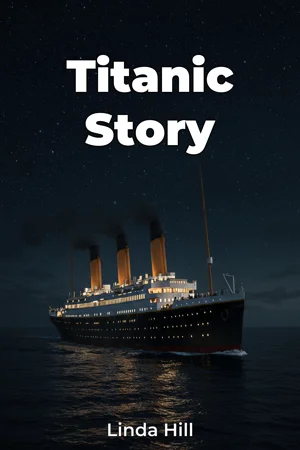
Imagine boarding the most opulent ship ever built, confident in its unsinkable reputation, only to face unimaginable tragedy. "Titanic Story" meticulously reconstructs the fateful voyage of the RMS Titanic, dissecting not only what happened, but why, and exploring its enduring impact on maritime safety and collective memory. This book delves into three central aspects of the Titanic disaster. Firstly, it provides a detailed account of the ship itself – its construction, design, and the lavish experience promised to its passengers. Understanding the Titanic as a marvel of engineering and a symbol of early 20th-century societal aspirations is key to appreciating the magnitude of its loss. Secondly, the book chronicles the voyage, from its departure to the moment of impact with the iceberg and the chaotic hours that followed, emphasizing the human element – the stories of passengers and crew from all social classes, their hopes, fears, and ultimately, their fight for survival. Finally, "Titanic Story" analyzes the aftermath of the sinking, focusing on the inquiries, the evolving understanding of the causes, and the subsequent changes implemented in maritime regulations to prevent similar disasters. These topics are vital because they reveal not only the flaws in the technology and procedures of the time, but also the societal attitudes and class structures that contributed to the uneven distribution of survival. The historical context is crucial: the era of Edwardian optimism, the rapid advancements in shipbuilding technology, and the prevailing belief in humanity's ability to conquer nature. No prior knowledge is strictly required, but a general understanding of the early 20th century's social hierarchy and technological landscape will enhance the reading experience. The central argument of "Titanic Story" is that the sinking was not simply an accident, but a confluence of factors including hubris, negligence, and systemic inequalities, resulting in a tragedy that forced a reevaluation of maritime safety standards and societal priorities. This argument is important because it challenges the romanticized narratives often associated with the Titanic, presenting a more nuanced and critical perspective. The book begins by introducing the Titanic and its historical context. It then develops the narrative chronologically, dedicating sections to the ship's construction and design, the passenger experience, the unfolding disaster, and the immediate rescue efforts. The analysis culminates in an examination of the investigations, regulatory reforms, and the lasting legacy of the event. Practical implications are explored through the lens of modern safety regulations and risk assessment practices. The book relies on a wide range of sources, including survivor accounts, official inquiry transcripts, ship blueprints, photographs, and historical documents. Data from contemporary news reports and scientific analyses of the wreck site are also incorporated. "Titanic Story" connects to several other fields of study, including engineering (analyzing the ship's design and structural failures), sociology (examining the impact of class on survival rates), and law (exploring the legal ramifications and regulatory changes that followed). These interdisciplinary connections enrich the understanding of the disaster's multifaceted nature. This book stands out by meticulously weaving together technical details, personal narratives, and historical analysis to provide a holistic and compelling account of the Titanic disaster. The book avoids sensationalism, opting instead for a balanced and well-researched presentation of the facts. The tone is objective and informative, aiming to provide a clear and accessible account suitable for a broad audience interested in history, maritime disasters, and human stories of survival. The writing style is narrative non-fiction, engaging the reader with compelling stories and vivid descriptions while maintaining historical accuracy. The target audience includes general readers interested in history, maritime enthusiasts, and students studying the early 20th century. This book would be valuable to them because it offers a comprehensive and unbiased account of the Titanic tragedy, challenging preconceived notions and providing new insights. As a work of World History and History, "Titanic Story" adheres to the genre's emphasis on factual accuracy, thorough research, and objective analysis. The scope of the book is comprehensive in its coverage of the Titanic's construction, voyage, sinking, and aftermath. However, it intentionally limits its focus to the events directly related to the Titanic and its immediate consequences, rather than delving into broader discussions of maritime history or unrelated historical events. The lessons learned from the Titanic disaster have real-world applications in modern safety regulations, risk management, and emergency response protocols. The book highlights these applications, demonstrating the enduring relevance of the Titanic story. "Titanic Story" addresses ongoing debates surrounding the causes of the sinking, including disagreements over the speed of the ship, the quality of the rivets, and the effectiveness of the lifeboats. It presents different perspectives and allows readers to draw their own conclusions based on the evidence presented.
Imagine boarding the most opulent ship ever built, confident in its unsinkable reputation, only to face unimaginable tragedy. "Titanic Story" meticulously reconstructs the fateful voyage of the RMS Titanic, dissecting not only what happened, but why, and exploring its enduring impact on maritime safety and collective memory. This book delves into three central aspects of the Titanic disaster. Firstly, it provides a detailed account of the ship itself – its construction, design, and the lavish experience promised to its passengers. Understanding the Titanic as a marvel of engineering and a symbol of early 20th-century societal aspirations is key to appreciating the magnitude of its loss. Secondly, the book chronicles the voyage, from its departure to the moment of impact with the iceberg and the chaotic hours that followed, emphasizing the human element – the stories of passengers and crew from all social classes, their hopes, fears, and ultimately, their fight for survival. Finally, "Titanic Story" analyzes the aftermath of the sinking, focusing on the inquiries, the evolving understanding of the causes, and the subsequent changes implemented in maritime regulations to prevent similar disasters. These topics are vital because they reveal not only the flaws in the technology and procedures of the time, but also the societal attitudes and class structures that contributed to the uneven distribution of survival. The historical context is crucial: the era of Edwardian optimism, the rapid advancements in shipbuilding technology, and the prevailing belief in humanity's ability to conquer nature. No prior knowledge is strictly required, but a general understanding of the early 20th century's social hierarchy and technological landscape will enhance the reading experience. The central argument of "Titanic Story" is that the sinking was not simply an accident, but a confluence of factors including hubris, negligence, and systemic inequalities, resulting in a tragedy that forced a reevaluation of maritime safety standards and societal priorities. This argument is important because it challenges the romanticized narratives often associated with the Titanic, presenting a more nuanced and critical perspective. The book begins by introducing the Titanic and its historical context. It then develops the narrative chronologically, dedicating sections to the ship's construction and design, the passenger experience, the unfolding disaster, and the immediate rescue efforts. The analysis culminates in an examination of the investigations, regulatory reforms, and the lasting legacy of the event. Practical implications are explored through the lens of modern safety regulations and risk assessment practices. The book relies on a wide range of sources, including survivor accounts, official inquiry transcripts, ship blueprints, photographs, and historical documents. Data from contemporary news reports and scientific analyses of the wreck site are also incorporated. "Titanic Story" connects to several other fields of study, including engineering (analyzing the ship's design and structural failures), sociology (examining the impact of class on survival rates), and law (exploring the legal ramifications and regulatory changes that followed). These interdisciplinary connections enrich the understanding of the disaster's multifaceted nature. This book stands out by meticulously weaving together technical details, personal narratives, and historical analysis to provide a holistic and compelling account of the Titanic disaster. The book avoids sensationalism, opting instead for a balanced and well-researched presentation of the facts. The tone is objective and informative, aiming to provide a clear and accessible account suitable for a broad audience interested in history, maritime disasters, and human stories of survival. The writing style is narrative non-fiction, engaging the reader with compelling stories and vivid descriptions while maintaining historical accuracy. The target audience includes general readers interested in history, maritime enthusiasts, and students studying the early 20th century. This book would be valuable to them because it offers a comprehensive and unbiased account of the Titanic tragedy, challenging preconceived notions and providing new insights. As a work of World History and History, "Titanic Story" adheres to the genre's emphasis on factual accuracy, thorough research, and objective analysis. The scope of the book is comprehensive in its coverage of the Titanic's construction, voyage, sinking, and aftermath. However, it intentionally limits its focus to the events directly related to the Titanic and its immediate consequences, rather than delving into broader discussions of maritime history or unrelated historical events. The lessons learned from the Titanic disaster have real-world applications in modern safety regulations, risk management, and emergency response protocols. The book highlights these applications, demonstrating the enduring relevance of the Titanic story. "Titanic Story" addresses ongoing debates surrounding the causes of the sinking, including disagreements over the speed of the ship, the quality of the rivets, and the effectiveness of the lifeboats. It presents different perspectives and allows readers to draw their own conclusions based on the evidence presented.
"Titanic Story" offers a comprehensive exploration of the RMS Titanic's ill-fated voyage, delving into the intricate details of its construction, the human experiences onboard, and the disaster's lasting impact. The book meticulously reconstructs the events leading up to and following the sinking, highlighting the Edwardian era's societal aspirations embodied by the ship. It emphasizes how the tragedy prompted critical reevaluations of maritime safety, unveiling the confluence of hubris, negligence, and systemic inequalities that contributed to the disaster. The narrative progresses chronologically, commencing with the ship's design and construction, then unfolding into the passenger experience and the harrowing moments of the sinking and rescue efforts. Survivor accounts and historical documents enrich the narrative, providing a balanced perspective on the events. The book analyzes the aftermath, including inquiries and regulatory reforms, demonstrating how lessons learned from the Titanic disaster continue to influence modern maritime safety. "Titanic Story" uniquely interweaves technical details, personal stories, and historical analysis, appealing to readers interested in World History and maritime disasters. By connecting to fields like engineering and sociology, the book provides a holistic view, avoiding sensationalism and offering a well-researched account that challenges romanticized notions. It provides valuable insights into early 20th-century society and the enduring legacy of this nautical disaster.
Book Details
ISBN
9788235233516
Publisher
Publifye AS
Your Licenses
You don't own any licenses for this book
Purchase a license below to unlock this book and download the EPUB.
Purchase License
Select a tier to unlock this book
Need bulk licensing?
Contact us for enterprise agreements.