
About This Book
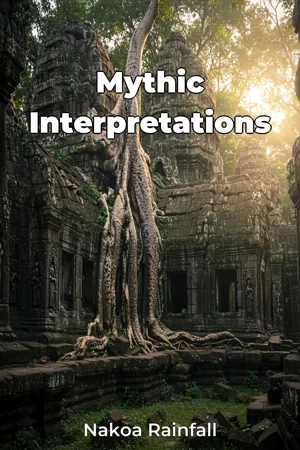
How did ancient peoples understand the world around them, and how did those understandings shape their societies? "Mythic Interpretations" delves into the rich and complex cosmologies of indigenous cultures, examining how these belief systems provided explanations for natural phenomena and profoundly influenced societal values, impacting daily life and decision-making processes. This book explores the intricate relationship between indigenous cosmology and the human experience, revealing how these ancient perspectives continue to resonate today. Two key topics form the foundation of this exploration: the role of myth in explaining natural events and the embodiment of cosmological principles in social structures. Understanding how indigenous cultures used narratives to interpret occurrences like eclipses, floods, and seasonal changes is crucial. These myths were not merely stories; they were sophisticated attempts to understand and interact with the environment. Furthermore, the book examines how these cosmological understandings were woven into the fabric of social life. Kinship systems, governance structures, and ethical frameworks often directly reflected core cosmological beliefs. The significance of these topics lies in their ability to illuminate the deep connection between culture and environment, offering insights into alternative ways of knowing and being that challenge conventional Western perspectives. This exploration is set against a backdrop of increasing anthropological and historical research into indigenous knowledge systems. While acknowledging the diversity of indigenous cultures worldwide, "Mythic Interpretations" focuses its analysis on a selection of case studies drawn from various geographical regions. The reader will benefit from a basic understanding of cultural anthropology and comparative religion, though the book is written to be accessible to a broad audience. The central argument of "Mythic Interpretations" is that indigenous cosmologies represent sophisticated systems of knowledge that provide valuable insights into human-environment interactions and offer alternative models for sustainable living. By examining these cosmologies, we can gain a deeper appreciation for the diversity of human thought and potentially find solutions to contemporary ecological and social challenges. The book is structured to guide the reader through a comprehensive exploration of this argument. It begins by introducing the core concepts of indigenous cosmology, including animism, totemism, and the concept of sacred space. Following this, the book develops its argument in three major sections. The first explores the mythic explanations for natural phenomena, focusing on creation myths, stories about the origins of landscapes, and explanations for weather patterns. The second examines how these cosmological beliefs are embodied in social structures, including kinship systems, ritual practices, and governance models. The third analyzes the ethical and moral implications of these beliefs, exploring how they shape human relationships with the environment and each other. The book culminates by considering the relevance of indigenous cosmologies in the modern world, suggesting how these ancient perspectives can inform contemporary debates about sustainability, environmental ethics, and cultural preservation. The evidence presented in "Mythic Interpretations" draws from a diverse range of sources, including ethnographic accounts, oral histories, archaeological findings, and analyses of material culture. The book utilizes a comparative approach, drawing connections between different indigenous cultures to identify common themes and patterns. This book connects to fields such as environmental studies, sociology, and philosophy. By examining the ecological wisdom embedded in indigenous cosmologies, the book contributes to ongoing discussions about sustainable development and environmental conservation. Its analysis of social structures and ethical frameworks also sheds light on issues of social justice, cultural diversity, and intercultural dialogue. "Mythic Interpretations" offers a unique perspective by emphasizing the rationality and coherence of indigenous knowledge systems, challenging stereotypical portrayals of indigenous cultures as primitive or irrational. It employs an academic yet accessible tone, making it suitable for both scholars and general readers interested in deepening their understanding of indigenous cultures. The target audience includes students and scholars of anthropology, history, religious studies, and environmental studies, as well as anyone interested in learning about indigenous cultures and their perspectives on the world. This book will be valuable to readers seeking a deeper understanding of human-environment relationships and alternative ways of knowing. As a work of history and religion, "Mythic Interpretations" adheres to the conventions of academic scholarship, providing thorough documentation of sources and presenting arguments in a clear and logical manner. The scope of "Mythic Interpretations" is broad, encompassing a wide range of indigenous cultures across different geographical regions. However, it also recognizes the limitations of generalizations, emphasizing the importance of understanding each culture within its specific historical and ecological context. The information presented in the book has real-world applications for individuals and communities seeking to promote sustainability, cultural preservation, and social justice. By understanding the values and beliefs that underpin indigenous cultures, we can work towards creating a more equitable and sustainable world for all. While striving for objectivity, "Mythic Interpretations" acknowledges ongoing debates about the interpretation of indigenous knowledge and the representation of indigenous cultures. The book seeks to engage with these debates in a respectful and constructive manner, promoting dialogue and understanding across different perspectives.
How did ancient peoples understand the world around them, and how did those understandings shape their societies? "Mythic Interpretations" delves into the rich and complex cosmologies of indigenous cultures, examining how these belief systems provided explanations for natural phenomena and profoundly influenced societal values, impacting daily life and decision-making processes. This book explores the intricate relationship between indigenous cosmology and the human experience, revealing how these ancient perspectives continue to resonate today. Two key topics form the foundation of this exploration: the role of myth in explaining natural events and the embodiment of cosmological principles in social structures. Understanding how indigenous cultures used narratives to interpret occurrences like eclipses, floods, and seasonal changes is crucial. These myths were not merely stories; they were sophisticated attempts to understand and interact with the environment. Furthermore, the book examines how these cosmological understandings were woven into the fabric of social life. Kinship systems, governance structures, and ethical frameworks often directly reflected core cosmological beliefs. The significance of these topics lies in their ability to illuminate the deep connection between culture and environment, offering insights into alternative ways of knowing and being that challenge conventional Western perspectives. This exploration is set against a backdrop of increasing anthropological and historical research into indigenous knowledge systems. While acknowledging the diversity of indigenous cultures worldwide, "Mythic Interpretations" focuses its analysis on a selection of case studies drawn from various geographical regions. The reader will benefit from a basic understanding of cultural anthropology and comparative religion, though the book is written to be accessible to a broad audience. The central argument of "Mythic Interpretations" is that indigenous cosmologies represent sophisticated systems of knowledge that provide valuable insights into human-environment interactions and offer alternative models for sustainable living. By examining these cosmologies, we can gain a deeper appreciation for the diversity of human thought and potentially find solutions to contemporary ecological and social challenges. The book is structured to guide the reader through a comprehensive exploration of this argument. It begins by introducing the core concepts of indigenous cosmology, including animism, totemism, and the concept of sacred space. Following this, the book develops its argument in three major sections. The first explores the mythic explanations for natural phenomena, focusing on creation myths, stories about the origins of landscapes, and explanations for weather patterns. The second examines how these cosmological beliefs are embodied in social structures, including kinship systems, ritual practices, and governance models. The third analyzes the ethical and moral implications of these beliefs, exploring how they shape human relationships with the environment and each other. The book culminates by considering the relevance of indigenous cosmologies in the modern world, suggesting how these ancient perspectives can inform contemporary debates about sustainability, environmental ethics, and cultural preservation. The evidence presented in "Mythic Interpretations" draws from a diverse range of sources, including ethnographic accounts, oral histories, archaeological findings, and analyses of material culture. The book utilizes a comparative approach, drawing connections between different indigenous cultures to identify common themes and patterns. This book connects to fields such as environmental studies, sociology, and philosophy. By examining the ecological wisdom embedded in indigenous cosmologies, the book contributes to ongoing discussions about sustainable development and environmental conservation. Its analysis of social structures and ethical frameworks also sheds light on issues of social justice, cultural diversity, and intercultural dialogue. "Mythic Interpretations" offers a unique perspective by emphasizing the rationality and coherence of indigenous knowledge systems, challenging stereotypical portrayals of indigenous cultures as primitive or irrational. It employs an academic yet accessible tone, making it suitable for both scholars and general readers interested in deepening their understanding of indigenous cultures. The target audience includes students and scholars of anthropology, history, religious studies, and environmental studies, as well as anyone interested in learning about indigenous cultures and their perspectives on the world. This book will be valuable to readers seeking a deeper understanding of human-environment relationships and alternative ways of knowing. As a work of history and religion, "Mythic Interpretations" adheres to the conventions of academic scholarship, providing thorough documentation of sources and presenting arguments in a clear and logical manner. The scope of "Mythic Interpretations" is broad, encompassing a wide range of indigenous cultures across different geographical regions. However, it also recognizes the limitations of generalizations, emphasizing the importance of understanding each culture within its specific historical and ecological context. The information presented in the book has real-world applications for individuals and communities seeking to promote sustainability, cultural preservation, and social justice. By understanding the values and beliefs that underpin indigenous cultures, we can work towards creating a more equitable and sustainable world for all. While striving for objectivity, "Mythic Interpretations" acknowledges ongoing debates about the interpretation of indigenous knowledge and the representation of indigenous cultures. The book seeks to engage with these debates in a respectful and constructive manner, promoting dialogue and understanding across different perspectives.
"Mythic Interpretations" explores the profound ways indigenous cosmologies have shaped societies and their understanding of the world. These ancient belief systems provided explanations for natural phenomena, like eclipses and floods, and influenced societal values, impacting daily life. The book reveals how these mythic interpretations are more than just stories; they are sophisticated attempts to understand and interact with the environment, challenging conventional Western perspectives. The book examines how indigenous cultures wove cosmological understandings into social life, such as kinship systems and governance structures. It begins by introducing core concepts like animism and sacred space. Subsequent sections explore mythic explanations for natural phenomena, how cosmological beliefs are embodied in social structures, and the ethical implications of these beliefs. The book culminates by considering the relevance of indigenous cosmologies in the modern world, suggesting how these perspectives can inform contemporary debates about sustainability and cultural preservation. Through a comparative approach, drawing on ethnographic accounts and oral histories, "Mythic Interpretations" highlights the rationality and coherence of indigenous knowledge systems, offering valuable insights into human-environment interactions. This exploration contributes to fields such as environmental studies and comparative religion, making it valuable for those interested in history, religion, and indigenous cultures.
Book Details
ISBN
9788235233509
Publisher
Publifye AS
Your Licenses
You don't own any licenses for this book
Purchase a license below to unlock this book and download the EPUB.
Purchase License
Select a tier to unlock this book
Need bulk licensing?
Contact us for enterprise agreements.