
About This Book
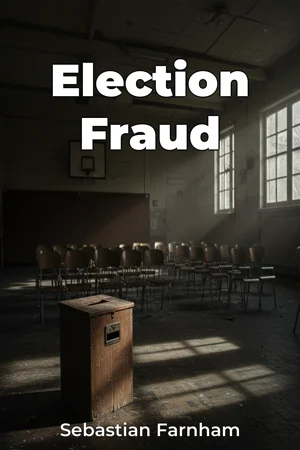
Has the integrity of American elections always been secure? "Election Fraud" delves into the multifaceted history of disputed U.S. elections, allegations of fraud, and the evolution of voting laws designed to safeguard the democratic process. This book examines key instances where the legitimacy of electoral outcomes has been challenged, explores the various forms that alleged fraud has taken, and analyzes how legislative responses have shaped the modern American electoral landscape. Understanding these elements is crucial for informed civic engagement and preserving trust in democratic institutions. The narrative unfolds across three central themes. First, the book chronicles significant U.S. elections marred by serious disputes, from the contested Hayes-Tilden election of 1876 to the more recent controversies surrounding the 2000 and 2020 presidential elections. Each case study dissects the specific allegations, the legal and political battles that ensued, and the ultimate resolutions. Second, it investigates the diverse forms of alleged election fraud, including voter impersonation, ballot stuffing, manipulation of voting machines, and disinformation campaigns. This section explains both the mechanics and the historical context of these allegations. Third, it traces the evolution of voting laws from the disenfranchisement tactics of the Jim Crow era to the modern debates over voter ID laws and access to absentee ballots. This analysis contextualizes current debates within a longer history of legal battles over voting rights. This book argues that concerns about election fraud, while sometimes exaggerated, are not new to American democracy, and the legislative responses to these concerns have often had profound and lasting impacts on who gets to vote and how. The book proceeds methodically. It begins by defining election fraud and establishing a historical baseline. Subsequent chapters address key case studies, delving into the details of contested elections and providing comprehensive analysis of the evidence presented. Further chapters examine specific types of alleged fraud, drawing on legal documents, statistical analysis, and investigative reports. The book culminates with an assessment of current voting laws and their potential impacts on voter turnout and electoral integrity. The analysis relies on diverse sources, including court records, legislative histories, academic studies, and journalistic investigations. Statistical data from election agencies and independent research organizations is used to evaluate the prevalence and impact of alleged fraud. The book also incorporates perspectives from legal scholars, political scientists, and historians to provide a well-rounded examination of the issues. "Election Fraud" connects to several other fields of study, including law, political science, and sociology. The legal aspect involves analyzing constitutional and statutory provisions related to voting rights and election administration. The political science aspect examines the impact of electoral rules on political participation and electoral outcomes. The sociological aspect explores the social and demographic factors that influence voting behavior and attitudes towards election integrity. This book offers a unique perspective by combining detailed case studies with a broad historical analysis of voting laws and allegations of fraud. It provides a comprehensive framework for understanding the complex interplay between electoral rules, political behavior, and public perceptions of election integrity. Written in a clear and accessible style, "Election Fraud" is intended for a broad audience, including students, journalists, policymakers, and engaged citizens. It will be valuable to anyone seeking a deeper understanding of the challenges facing American democracy and the ongoing debates over voting rights and election security. While this book aims to provide a comprehensive overview of election fraud in the U.S., it is not intended to be an exhaustive account of every disputed election or allegation of fraud. Instead, it focuses on key cases and trends that illustrate the broader themes and arguments. In an era of intense political polarization and widespread distrust in institutions, "Election Fraud" offers an objective and evidence-based analysis of a critical issue. It equips readers with the knowledge and tools to critically evaluate claims of election fraud and to engage in informed debates about voting rights and election reform. The book aims to foster a more nuanced understanding of these complex issues and promote constructive dialogue about how to ensure the integrity of American elections.
Has the integrity of American elections always been secure? "Election Fraud" delves into the multifaceted history of disputed U.S. elections, allegations of fraud, and the evolution of voting laws designed to safeguard the democratic process. This book examines key instances where the legitimacy of electoral outcomes has been challenged, explores the various forms that alleged fraud has taken, and analyzes how legislative responses have shaped the modern American electoral landscape. Understanding these elements is crucial for informed civic engagement and preserving trust in democratic institutions. The narrative unfolds across three central themes. First, the book chronicles significant U.S. elections marred by serious disputes, from the contested Hayes-Tilden election of 1876 to the more recent controversies surrounding the 2000 and 2020 presidential elections. Each case study dissects the specific allegations, the legal and political battles that ensued, and the ultimate resolutions. Second, it investigates the diverse forms of alleged election fraud, including voter impersonation, ballot stuffing, manipulation of voting machines, and disinformation campaigns. This section explains both the mechanics and the historical context of these allegations. Third, it traces the evolution of voting laws from the disenfranchisement tactics of the Jim Crow era to the modern debates over voter ID laws and access to absentee ballots. This analysis contextualizes current debates within a longer history of legal battles over voting rights. This book argues that concerns about election fraud, while sometimes exaggerated, are not new to American democracy, and the legislative responses to these concerns have often had profound and lasting impacts on who gets to vote and how. The book proceeds methodically. It begins by defining election fraud and establishing a historical baseline. Subsequent chapters address key case studies, delving into the details of contested elections and providing comprehensive analysis of the evidence presented. Further chapters examine specific types of alleged fraud, drawing on legal documents, statistical analysis, and investigative reports. The book culminates with an assessment of current voting laws and their potential impacts on voter turnout and electoral integrity. The analysis relies on diverse sources, including court records, legislative histories, academic studies, and journalistic investigations. Statistical data from election agencies and independent research organizations is used to evaluate the prevalence and impact of alleged fraud. The book also incorporates perspectives from legal scholars, political scientists, and historians to provide a well-rounded examination of the issues. "Election Fraud" connects to several other fields of study, including law, political science, and sociology. The legal aspect involves analyzing constitutional and statutory provisions related to voting rights and election administration. The political science aspect examines the impact of electoral rules on political participation and electoral outcomes. The sociological aspect explores the social and demographic factors that influence voting behavior and attitudes towards election integrity. This book offers a unique perspective by combining detailed case studies with a broad historical analysis of voting laws and allegations of fraud. It provides a comprehensive framework for understanding the complex interplay between electoral rules, political behavior, and public perceptions of election integrity. Written in a clear and accessible style, "Election Fraud" is intended for a broad audience, including students, journalists, policymakers, and engaged citizens. It will be valuable to anyone seeking a deeper understanding of the challenges facing American democracy and the ongoing debates over voting rights and election security. While this book aims to provide a comprehensive overview of election fraud in the U.S., it is not intended to be an exhaustive account of every disputed election or allegation of fraud. Instead, it focuses on key cases and trends that illustrate the broader themes and arguments. In an era of intense political polarization and widespread distrust in institutions, "Election Fraud" offers an objective and evidence-based analysis of a critical issue. It equips readers with the knowledge and tools to critically evaluate claims of election fraud and to engage in informed debates about voting rights and election reform. The book aims to foster a more nuanced understanding of these complex issues and promote constructive dialogue about how to ensure the integrity of American elections.
"Election Fraud" explores the history of disputed elections and the evolution of voting laws in the United States. It examines instances where electoral outcomes have been challenged, revealing the various forms of alleged fraud and analyzing the legislative responses that have shaped American elections. The book emphasizes that concerns about election fraud, though sometimes exaggerated, are not new and have significantly impacted voter access and political participation. The book investigates key case studies, such as the contested Hayes-Tilden election and more recent controversies. It also examines specific types of alleged fraud, like voter impersonation and disinformation campaigns, placing them in their historical and legal context. By tracing the evolution of voting laws, the book contextualizes current debates over voter ID laws within a longer history of battles over voting rights and election integrity. Beginning with a definition of election fraud, the book moves through case studies and analysis of different types of alleged fraud. It culminates with an assessment of current voting laws and their impact on voter turnout. Using court records, legislative histories, and statistical data, "Election Fraud" aims to foster a nuanced understanding of election security and promote constructive dialogue about ensuring the integrity of American elections.
Book Details
ISBN
9788235233240
Publisher
Publifye AS
Your Licenses
You don't own any licenses for this book
Purchase a license below to unlock this book and download the EPUB.
Purchase License
Select a tier to unlock this book
Need bulk licensing?
Contact us for enterprise agreements.