
About This Book
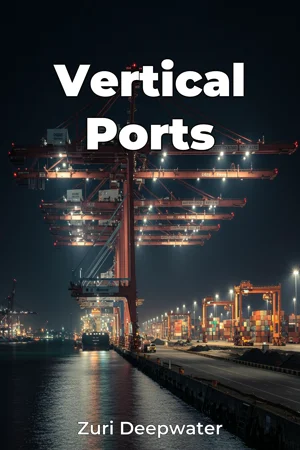
Can the future of global shipping be stacked? "Vertical Ports" explores the innovative concept of stacked container ports as a solution to increasing shipping efficiency in an era of growing global trade and limited land availability. This book delves into the design, management, and technological underpinnings of these next-generation port facilities, offering a comprehensive analysis relevant to professionals in management, business management, and technology-related fields. The central argument posits that vertical ports offer a viable, and in many cases superior, alternative to traditional horizontal port designs, by maximizing land usage and streamlining container handling processes. This argument is critical because conventional ports are facing increasing pressure due to growing cargo volumes, urban encroachment, and environmental concerns. The book thoroughly analyzes these challenges and demonstrates how vertical ports address them. The book begins by establishing the context of the modern shipping industry, including historical trends in global trade and the evolution of port infrastructure. It examines the limitations of current port designs and introduces the core concept of vertical stacking. This initial exploration provides the necessary foundation for understanding the advanced concepts presented later. The book then progresses through several key areas: First, it details the engineering and technological innovations required for vertical port construction, including automated stacking cranes, advanced logistics software, and structural engineering considerations for tall, high-density container storage. Second, the book analyzes the business and management implications of vertical ports, exploring operational efficiency, cost-benefit analysis, and supply chain optimization. Finally, the book examines the environmental and social impact of vertical ports, addressing concerns related to noise pollution, visual impact, and community integration. Each section builds upon the previous one, culminating in a comprehensive understanding of the vertical port ecosystem. Evidence supporting the arguments includes case studies of existing and planned vertical port projects around the world, statistical data on port performance and land usage, and simulations demonstrating the potential efficiency gains of vertical stacking. The book also draws upon research in automation, logistics, and structural engineering to provide a rigorous and multidisciplinary analysis. Unique data sources include proprietary simulations of container flow within vertical ports and detailed cost analyses of construction and operation. "Vertical Ports" bridges the gap between technology, business management, and environmental sustainability. It also connects to urban planning by addressing the integration of port facilities within cityscapes. This interdisciplinary approach provides a holistic understanding of the challenges and opportunities associated with vertical ports. The book's unique perspective lies in its comprehensive and forward-looking analysis of vertical port technology. It moves beyond theoretical discussions by providing practical insights into the design, implementation, and management of these facilities. It does not shy away from examining potential drawbacks and challenges, offering balanced and realistic assessments. Written in a professional and accessible style, "Vertical Ports" is targeted towards port authorities, logistics managers, engineers, urban planners, and anyone interested in the future of global shipping. It provides valuable insights for decision-makers seeking to improve port efficiency, reduce land usage, and enhance environmental sustainability. While the book offers a broad overview of vertical port technology, it primarily focuses on container ports and does not extensively address other types of port facilities. This deliberate limitation of scope allows for a more in-depth exploration of the core concepts. The information in this book can be applied in various ways, from informing strategic investment decisions to guiding the design and construction of new port facilities. While vertical ports offer significant advantages, there are ongoing discussions about their cost-effectiveness, safety, and environmental impact. "Vertical Ports" addresses these debates by presenting a balanced view of the pros and cons, supported by evidence and analysis.
Can the future of global shipping be stacked? "Vertical Ports" explores the innovative concept of stacked container ports as a solution to increasing shipping efficiency in an era of growing global trade and limited land availability. This book delves into the design, management, and technological underpinnings of these next-generation port facilities, offering a comprehensive analysis relevant to professionals in management, business management, and technology-related fields. The central argument posits that vertical ports offer a viable, and in many cases superior, alternative to traditional horizontal port designs, by maximizing land usage and streamlining container handling processes. This argument is critical because conventional ports are facing increasing pressure due to growing cargo volumes, urban encroachment, and environmental concerns. The book thoroughly analyzes these challenges and demonstrates how vertical ports address them. The book begins by establishing the context of the modern shipping industry, including historical trends in global trade and the evolution of port infrastructure. It examines the limitations of current port designs and introduces the core concept of vertical stacking. This initial exploration provides the necessary foundation for understanding the advanced concepts presented later. The book then progresses through several key areas: First, it details the engineering and technological innovations required for vertical port construction, including automated stacking cranes, advanced logistics software, and structural engineering considerations for tall, high-density container storage. Second, the book analyzes the business and management implications of vertical ports, exploring operational efficiency, cost-benefit analysis, and supply chain optimization. Finally, the book examines the environmental and social impact of vertical ports, addressing concerns related to noise pollution, visual impact, and community integration. Each section builds upon the previous one, culminating in a comprehensive understanding of the vertical port ecosystem. Evidence supporting the arguments includes case studies of existing and planned vertical port projects around the world, statistical data on port performance and land usage, and simulations demonstrating the potential efficiency gains of vertical stacking. The book also draws upon research in automation, logistics, and structural engineering to provide a rigorous and multidisciplinary analysis. Unique data sources include proprietary simulations of container flow within vertical ports and detailed cost analyses of construction and operation. "Vertical Ports" bridges the gap between technology, business management, and environmental sustainability. It also connects to urban planning by addressing the integration of port facilities within cityscapes. This interdisciplinary approach provides a holistic understanding of the challenges and opportunities associated with vertical ports. The book's unique perspective lies in its comprehensive and forward-looking analysis of vertical port technology. It moves beyond theoretical discussions by providing practical insights into the design, implementation, and management of these facilities. It does not shy away from examining potential drawbacks and challenges, offering balanced and realistic assessments. Written in a professional and accessible style, "Vertical Ports" is targeted towards port authorities, logistics managers, engineers, urban planners, and anyone interested in the future of global shipping. It provides valuable insights for decision-makers seeking to improve port efficiency, reduce land usage, and enhance environmental sustainability. While the book offers a broad overview of vertical port technology, it primarily focuses on container ports and does not extensively address other types of port facilities. This deliberate limitation of scope allows for a more in-depth exploration of the core concepts. The information in this book can be applied in various ways, from informing strategic investment decisions to guiding the design and construction of new port facilities. While vertical ports offer significant advantages, there are ongoing discussions about their cost-effectiveness, safety, and environmental impact. "Vertical Ports" addresses these debates by presenting a balanced view of the pros and cons, supported by evidence and analysis.
"Vertical Ports" explores a groundbreaking solution to the escalating challenges in global shipping: stacked container ports. As global trade expands and land becomes scarce, the book examines how vertical port designs can maximize land usage and streamline container handling, offering a viable alternative to traditional horizontal ports. Notably, vertical ports could significantly alleviate pressure on conventional ports facing growing cargo volumes and environmental concerns. The book delves into the engineering, technology, and business management aspects of vertical ports. It presents insights into automated stacking cranes, advanced logistics software, and the structural engineering considerations necessary for constructing tall, high-density container storage facilities. By analyzing operational efficiency, cost-benefit ratios, and supply chain optimization, the book demonstrates the potential for enhanced port efficiency and sustainability. Beginning with an overview of the modern shipping industry, the book progresses to explore the technological innovations needed for vertical port construction, followed by an analysis of the business and management implications, and concluding with an examination of the environmental and social impacts. This approach offers a holistic understanding of the vertical port ecosystem, making it a valuable resource for port authorities, logistics managers, and urban planners.
Book Details
ISBN
9788235232984
Publisher
Publifye AS
Your Licenses
You don't own any licenses for this book
Purchase a license below to unlock this book and download the EPUB.
Purchase License
Select a tier to unlock this book
Need bulk licensing?
Contact us for enterprise agreements.