
About This Book
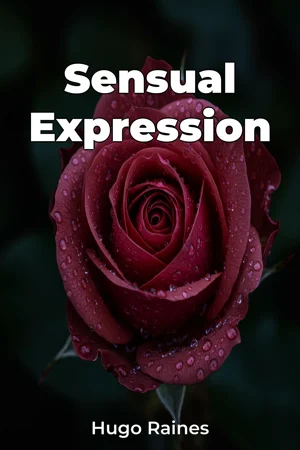
How do the words we use, both spoken and written, shape our understanding and expression of sensuality? "Sensual Expression" explores this question through a detailed examination of language in both modern and classical literature, offering a unique lens through which to understand the power of words to evoke sensation, desire, and intimacy. This book is important because it addresses a gap in literary criticism. While many studies examine themes of love and sexuality, fewer focus specifically on the linguistic mechanisms by which these feelings are conveyed. By analyzing how authors use language to stimulate the senses, we gain a deeper appreciation for the art of writing and how it reflects cultural attitudes toward the body and pleasure. The book is structured around three key themes: the evolution of sensual language, the cultural contexts that shape its use, and the diverse ways in which different authors and literary movements have approached the depiction of sensuality. We begin by tracing the historical roots of sensual expression, examining how language has been used in classical texts to convey desire, pleasure, and physical experience. This historical context is crucial for understanding the shifts and transformations in modern literature. The central argument of "Sensual Expression" is that language is not merely a tool for describing sensation but an active force in shaping our understanding and experience of it. By analyzing the specific linguistic techniques authors employ—including metaphor, imagery, rhythm, and tone—we can uncover the subtle ways in which language constructs, reinforces, or challenges cultural norms surrounding sensuality. The book will be divided into three major sections. The first section lays the groundwork by defining key concepts and providing a historical overview of sensual expression in literature. The second section examines modern literature, including poetry, novels, and short stories, to identify contemporary trends and innovative uses of language. Finally, the third section explores the implications of these findings for understanding human sexuality and gender. The analysis is supported by close readings of selected texts, drawing on established methods of literary criticism and linguistic analysis. The book features examples from a range of authors, literary periods, and geographical regions, offering broad and inclusive perspective. This study connects to other fields, such as gender studies, cultural studies, and psychology, as well as touch upon relevant ethical issues such as representation, objectification, and consent. The book is intended for students and scholars of literature, as well as anyone with an interest in language, sexuality, and cultural studies. We approach the topic with a commitment to nuanced and sensitive analysis, recognizing that the depiction of sensuality is often intertwined with issues of power, identity, and ethics. The scope of this book is limited to verbal and written forms of sensual expression, excluding visual or other artistic mediums. While the book covers a wide range of literary texts, it does not claim to be exhaustive, and the selection of examples is intended to be representative rather than comprehensive. The findings of this book can be applied to various real-world contexts, including creative writing, literary education, and cultural critique. By understanding how language shapes our perceptions of sensuality, we can become more conscious and critical consumers of media, as well as more effective communicators in our own lives. This book makes no claims on controversial topics beyond literary themes, only that language is a powerful tool in understanding sensuality.
How do the words we use, both spoken and written, shape our understanding and expression of sensuality? "Sensual Expression" explores this question through a detailed examination of language in both modern and classical literature, offering a unique lens through which to understand the power of words to evoke sensation, desire, and intimacy. This book is important because it addresses a gap in literary criticism. While many studies examine themes of love and sexuality, fewer focus specifically on the linguistic mechanisms by which these feelings are conveyed. By analyzing how authors use language to stimulate the senses, we gain a deeper appreciation for the art of writing and how it reflects cultural attitudes toward the body and pleasure. The book is structured around three key themes: the evolution of sensual language, the cultural contexts that shape its use, and the diverse ways in which different authors and literary movements have approached the depiction of sensuality. We begin by tracing the historical roots of sensual expression, examining how language has been used in classical texts to convey desire, pleasure, and physical experience. This historical context is crucial for understanding the shifts and transformations in modern literature. The central argument of "Sensual Expression" is that language is not merely a tool for describing sensation but an active force in shaping our understanding and experience of it. By analyzing the specific linguistic techniques authors employ—including metaphor, imagery, rhythm, and tone—we can uncover the subtle ways in which language constructs, reinforces, or challenges cultural norms surrounding sensuality. The book will be divided into three major sections. The first section lays the groundwork by defining key concepts and providing a historical overview of sensual expression in literature. The second section examines modern literature, including poetry, novels, and short stories, to identify contemporary trends and innovative uses of language. Finally, the third section explores the implications of these findings for understanding human sexuality and gender. The analysis is supported by close readings of selected texts, drawing on established methods of literary criticism and linguistic analysis. The book features examples from a range of authors, literary periods, and geographical regions, offering broad and inclusive perspective. This study connects to other fields, such as gender studies, cultural studies, and psychology, as well as touch upon relevant ethical issues such as representation, objectification, and consent. The book is intended for students and scholars of literature, as well as anyone with an interest in language, sexuality, and cultural studies. We approach the topic with a commitment to nuanced and sensitive analysis, recognizing that the depiction of sensuality is often intertwined with issues of power, identity, and ethics. The scope of this book is limited to verbal and written forms of sensual expression, excluding visual or other artistic mediums. While the book covers a wide range of literary texts, it does not claim to be exhaustive, and the selection of examples is intended to be representative rather than comprehensive. The findings of this book can be applied to various real-world contexts, including creative writing, literary education, and cultural critique. By understanding how language shapes our perceptions of sensuality, we can become more conscious and critical consumers of media, as well as more effective communicators in our own lives. This book makes no claims on controversial topics beyond literary themes, only that language is a powerful tool in understanding sensuality.
"Sensual Expression" delves into the intricate relationship between language and sensuality in literature, examining how words shape our understanding and experience of desire and intimacy. It fills a gap in literary criticism by specifically focusing on the linguistic mechanisms authors use to evoke sensation, rather than just analyzing themes of love and sexuality. The book uniquely argues that language isn't just a tool for describing sensation but an active force in shaping our perception of it. The study progresses by first laying a historical foundation, tracing the roots of sensual expression from classical texts to modern literature. It then pivots to examining contemporary trends in poetry, novels, and short stories, identifying innovative uses of sensual language. By analyzing specific linguistic techniques like metaphor and imagery, the author uncovers how language reinforces or challenges cultural norms surrounding sensuality. Ultimately, this collection of essays provides a fresh perspective on literary criticism, cultural contexts, and gender studies. It makes it clear how crucial it is to understand the power of sensual language, as it influences not only literature but also our broader understanding of human sexuality, cultural attitudes, and the art of writing.
Book Details
ISBN
9788235232977
Publisher
Publifye AS
Your Licenses
You don't own any licenses for this book
Purchase a license below to unlock this book and download the EPUB.
Purchase License
Select a tier to unlock this book
Need bulk licensing?
Contact us for enterprise agreements.