
About This Book
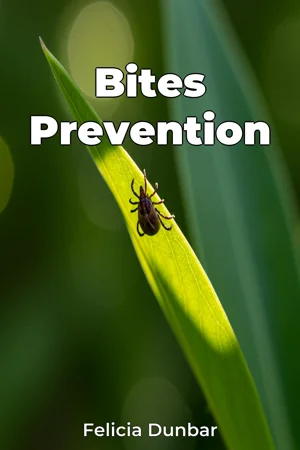
Have you ever wondered what to do immediately after being bitten by an insect, an animal, or even another person? "Bites Prevention" serves as a comprehensive guide to understanding, preventing, and treating bites of all kinds, offering readers the knowledge and practical skills to minimize health risks and complications. This book is essential because bites are a common occurrence, and their potential consequences—ranging from minor discomfort to severe infections and allergic reactions—are often underestimated. The aim is to empower individuals with the information needed to confidently manage bite incidents and mitigate potential harm. This book will delve into several key areas. First, it comprehensively covers the diverse array of biting creatures, from insects like mosquitoes, ticks, and spiders to larger animals such as dogs, cats, and rodents, including even the less common human bites. Understanding the risks associated with each type of bite is crucial for effective prevention and treatment. Second, the focus shifts to recognizing the signs and symptoms of various bite-related complications, including bacterial infections, viral transmissions (like rabies), and allergic reactions. Early detection is emphasized as a critical factor in ensuring timely and appropriate medical intervention. Finally, there will be an explanation of prevention strategies, including personal protective measures, environmental modifications, and responsible pet ownership. Organized logically, "Bites Prevention" begins by establishing a foundational understanding of the biological mechanisms behind bites and the potential pathogens involved. The book then systematically addresses different categories of bites, providing detailed information on identification, risk assessment, and immediate first aid. Subsequent chapters explore advanced treatment options, such as antibiotic therapy, wound management techniques, and allergy management protocols. The culmination of the book provides practical strategies for preventing bites in various settings, from homes and gardens to outdoor recreational areas. Each chapter builds upon the previous one, ensuring a coherent and progressive learning experience. The information and recommendations are supported by scientific literature, clinical guidelines, and expert opinions in fields such as entomology, zoology, infectious diseases, and dermatology. Where available, real-world case studies will illustrate the practical application of the concepts discussed. The data is drawn from reputable sources, including the Centers for Disease Control and Prevention (CDC), the World Health Organization (WHO), and peer-reviewed medical journals. This book also connects to broader fields of study, such as public health, veterinary medicine, and environmental science. For example, understanding the ecological factors that contribute to the spread of disease-carrying insects has implications for public health policy and environmental management. Responsible pet ownership, a topic covered in the book, also links to veterinary medicine and the ethical treatment of animals. "Bites Prevention" takes a hands-on approach, offering clear, actionable advice that readers can immediately implement. The book's tone is informative and reassuring, presenting complex medical information in an accessible and understandable manner. It is targeted toward a broad audience, including parents, caregivers, outdoor enthusiasts, pet owners, and healthcare professionals seeking a concise reference guide. This book provides readers with a practical resource, offering clear guidance and empowering them to minimize the risks associated with bites. Within the context of health and fitness and medical general knowledge, this book provides specific, targeted information. While it does not delve into advanced medical research or specialized surgical procedures, it offers a comprehensive overview of bite prevention and first aid management. Readers will learn how to assess a bite's severity, administer appropriate first aid, seek medical attention when necessary, and implement preventative measures to reduce the risk of future incidents. It is intended for anyone seeking to protect themselves and their loved ones from the potential dangers of bites, helping them make informed decisions about their health and safety. The goal is to empower readers with the knowledge and confidence to manage bite encounters effectively, ultimately reducing the risk of infections, allergic reactions, and further complications.
Have you ever wondered what to do immediately after being bitten by an insect, an animal, or even another person? "Bites Prevention" serves as a comprehensive guide to understanding, preventing, and treating bites of all kinds, offering readers the knowledge and practical skills to minimize health risks and complications. This book is essential because bites are a common occurrence, and their potential consequences—ranging from minor discomfort to severe infections and allergic reactions—are often underestimated. The aim is to empower individuals with the information needed to confidently manage bite incidents and mitigate potential harm. This book will delve into several key areas. First, it comprehensively covers the diverse array of biting creatures, from insects like mosquitoes, ticks, and spiders to larger animals such as dogs, cats, and rodents, including even the less common human bites. Understanding the risks associated with each type of bite is crucial for effective prevention and treatment. Second, the focus shifts to recognizing the signs and symptoms of various bite-related complications, including bacterial infections, viral transmissions (like rabies), and allergic reactions. Early detection is emphasized as a critical factor in ensuring timely and appropriate medical intervention. Finally, there will be an explanation of prevention strategies, including personal protective measures, environmental modifications, and responsible pet ownership. Organized logically, "Bites Prevention" begins by establishing a foundational understanding of the biological mechanisms behind bites and the potential pathogens involved. The book then systematically addresses different categories of bites, providing detailed information on identification, risk assessment, and immediate first aid. Subsequent chapters explore advanced treatment options, such as antibiotic therapy, wound management techniques, and allergy management protocols. The culmination of the book provides practical strategies for preventing bites in various settings, from homes and gardens to outdoor recreational areas. Each chapter builds upon the previous one, ensuring a coherent and progressive learning experience. The information and recommendations are supported by scientific literature, clinical guidelines, and expert opinions in fields such as entomology, zoology, infectious diseases, and dermatology. Where available, real-world case studies will illustrate the practical application of the concepts discussed. The data is drawn from reputable sources, including the Centers for Disease Control and Prevention (CDC), the World Health Organization (WHO), and peer-reviewed medical journals. This book also connects to broader fields of study, such as public health, veterinary medicine, and environmental science. For example, understanding the ecological factors that contribute to the spread of disease-carrying insects has implications for public health policy and environmental management. Responsible pet ownership, a topic covered in the book, also links to veterinary medicine and the ethical treatment of animals. "Bites Prevention" takes a hands-on approach, offering clear, actionable advice that readers can immediately implement. The book's tone is informative and reassuring, presenting complex medical information in an accessible and understandable manner. It is targeted toward a broad audience, including parents, caregivers, outdoor enthusiasts, pet owners, and healthcare professionals seeking a concise reference guide. This book provides readers with a practical resource, offering clear guidance and empowering them to minimize the risks associated with bites. Within the context of health and fitness and medical general knowledge, this book provides specific, targeted information. While it does not delve into advanced medical research or specialized surgical procedures, it offers a comprehensive overview of bite prevention and first aid management. Readers will learn how to assess a bite's severity, administer appropriate first aid, seek medical attention when necessary, and implement preventative measures to reduce the risk of future incidents. It is intended for anyone seeking to protect themselves and their loved ones from the potential dangers of bites, helping them make informed decisions about their health and safety. The goal is to empower readers with the knowledge and confidence to manage bite encounters effectively, ultimately reducing the risk of infections, allergic reactions, and further complications.
"Bites Prevention" offers a comprehensive guide to understanding, preventing, and treating bites from insects, animals, and even humans. It addresses a common yet often underestimated health risk, empowering readers with practical skills to minimize complications. The book highlights the importance of recognizing signs of infection and allergic reactions, emphasizing early detection for timely medical intervention. For instance, did you know certain tick bites can transmit diseases like Lyme disease, or that some spider bites can cause severe local reactions? The book progresses logically, starting with the biology of bites and potential pathogens, then systematically addressing different bite categories, including risk assessment and first aid. It explores advanced treatments like antibiotics and allergy management, culminating in practical prevention strategies for various settings. This hands-on approach, supported by scientific literature and expert opinions, makes complex medical information accessible. Readers will learn to assess bite severity, administer first aid, and implement preventative measures, making it an invaluable resource for parents, outdoor enthusiasts, and healthcare professionals alike.
Book Details
ISBN
9788235232915
Publisher
Publifye AS
Your Licenses
You don't own any licenses for this book
Purchase a license below to unlock this book and download the EPUB.
Purchase License
Select a tier to unlock this book
Need bulk licensing?
Contact us for enterprise agreements.