
About This Book
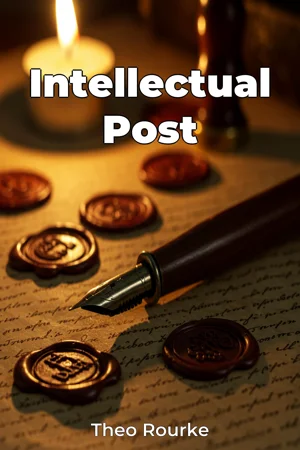
What if the most transformative ideas in history weren't born in lecture halls or laboratories, but exchanged through the quiet intimacy of letters? "Intellectual Post" delves into the rich history of correspondence as a vital engine for intellectual and artistic development, exploring how the exchange of ideas through letters shaped academic disciplines and literary movements. This book unpacks several key concepts, primarily the role of letters in fostering intellectual communities, the development of ideas through epistolary debate, and the function of letters as archives of thought. Understanding these dynamics is crucial because it illuminates the often-overlooked human element behind intellectual progress and reveals how personal connections fueled innovation. The book contextualizes these themes within the broader history of communication, from the rise of postal systems to the salon culture of the Enlightenment and the proliferation of learned societies. A basic understanding of intellectual history and literary periods will enhance the reader's appreciation of the material, but the core arguments are presented accessibly. The central argument of "Intellectual Post" is that letters provided a unique space for the germination and refinement of ideas, enabling a level of intellectual intimacy and collaboration that other forms of communication often lacked. This argument challenges the traditional emphasis on published works as the sole measure of intellectual influence, highlighting the importance of private discourse in shaping public thought. The book begins by establishing the historical context of letter-writing, exploring its evolution and social significance. It then examines specific case studies, each focusing on a different intellectual or literary community. These case studies showcase the exchange of ideas in early scientific circles, the development of literary manifestos, and the role of correspondence in shaping philosophical debates. The book culminates in a discussion of the legacy of letter-writing in the digital age, considering how email and other modern forms of communication both emulate and diverge from the epistolary tradition. The evidence presented in "Intellectual Post" draws upon a wide range of primary sources, including the published and unpublished letters of prominent intellectuals, writers, and artists. These letters are analyzed using a combination of historical, literary, and sociological methodologies to reveal the complex dynamics of intellectual exchange. "Intellectual Post" connects to other fields of study, including sociology (examining social networks), communication studies (analyzing the dissemination of ideas), and archival science (considering the preservation and interpretation of historical documents). These interdisciplinary connections enrich the book's analysis and demonstrate the broad relevance of its themes. A unique aspect of the book is its focus on the *process* of intellectual development, rather than solely on the final products of thought. By examining the often-messy, iterative process of idea formation as revealed in letters, "Intellectual Post" offers a more nuanced and human perspective on intellectual history. The book adopts an academic yet accessible tone, presenting complex ideas in a clear and engaging manner. While grounded in rigorous research, the writing style avoids jargon and strives to be accessible to a broad audience. The target audience for "Intellectual Post" includes scholars and students of history, literature, communication studies, and anyone interested in the history of ideas. The book will also appeal to general readers interested in the art of letter-writing and the lives of intellectuals and artists. As a work of intellectual and literary history, "Intellectual Post" adheres to the conventions of scholarly research, including thorough documentation, rigorous analysis, and a balanced presentation of evidence. The scope of the book is intentionally limited to the Western intellectual tradition, focusing primarily on Europe and North America from the Renaissance to the present day. While acknowledging the importance of intellectual exchange in other cultures, this focus allows for a more in-depth exploration of the chosen themes. The insights presented in "Intellectual Post" have practical applications for contemporary readers. By understanding the dynamics of intellectual collaboration and the importance of thoughtful communication, readers can improve their own ability to engage in productive dialogue and contribute to the advancement of knowledge. The book addresses ongoing debates about the nature of intellectual influence, the role of personal relationships in shaping public thought, and the impact of technology on communication. By engaging with these debates, "Intellectual Post" aims to contribute to a deeper understanding of the intellectual process and its social context.
What if the most transformative ideas in history weren't born in lecture halls or laboratories, but exchanged through the quiet intimacy of letters? "Intellectual Post" delves into the rich history of correspondence as a vital engine for intellectual and artistic development, exploring how the exchange of ideas through letters shaped academic disciplines and literary movements. This book unpacks several key concepts, primarily the role of letters in fostering intellectual communities, the development of ideas through epistolary debate, and the function of letters as archives of thought. Understanding these dynamics is crucial because it illuminates the often-overlooked human element behind intellectual progress and reveals how personal connections fueled innovation. The book contextualizes these themes within the broader history of communication, from the rise of postal systems to the salon culture of the Enlightenment and the proliferation of learned societies. A basic understanding of intellectual history and literary periods will enhance the reader's appreciation of the material, but the core arguments are presented accessibly. The central argument of "Intellectual Post" is that letters provided a unique space for the germination and refinement of ideas, enabling a level of intellectual intimacy and collaboration that other forms of communication often lacked. This argument challenges the traditional emphasis on published works as the sole measure of intellectual influence, highlighting the importance of private discourse in shaping public thought. The book begins by establishing the historical context of letter-writing, exploring its evolution and social significance. It then examines specific case studies, each focusing on a different intellectual or literary community. These case studies showcase the exchange of ideas in early scientific circles, the development of literary manifestos, and the role of correspondence in shaping philosophical debates. The book culminates in a discussion of the legacy of letter-writing in the digital age, considering how email and other modern forms of communication both emulate and diverge from the epistolary tradition. The evidence presented in "Intellectual Post" draws upon a wide range of primary sources, including the published and unpublished letters of prominent intellectuals, writers, and artists. These letters are analyzed using a combination of historical, literary, and sociological methodologies to reveal the complex dynamics of intellectual exchange. "Intellectual Post" connects to other fields of study, including sociology (examining social networks), communication studies (analyzing the dissemination of ideas), and archival science (considering the preservation and interpretation of historical documents). These interdisciplinary connections enrich the book's analysis and demonstrate the broad relevance of its themes. A unique aspect of the book is its focus on the *process* of intellectual development, rather than solely on the final products of thought. By examining the often-messy, iterative process of idea formation as revealed in letters, "Intellectual Post" offers a more nuanced and human perspective on intellectual history. The book adopts an academic yet accessible tone, presenting complex ideas in a clear and engaging manner. While grounded in rigorous research, the writing style avoids jargon and strives to be accessible to a broad audience. The target audience for "Intellectual Post" includes scholars and students of history, literature, communication studies, and anyone interested in the history of ideas. The book will also appeal to general readers interested in the art of letter-writing and the lives of intellectuals and artists. As a work of intellectual and literary history, "Intellectual Post" adheres to the conventions of scholarly research, including thorough documentation, rigorous analysis, and a balanced presentation of evidence. The scope of the book is intentionally limited to the Western intellectual tradition, focusing primarily on Europe and North America from the Renaissance to the present day. While acknowledging the importance of intellectual exchange in other cultures, this focus allows for a more in-depth exploration of the chosen themes. The insights presented in "Intellectual Post" have practical applications for contemporary readers. By understanding the dynamics of intellectual collaboration and the importance of thoughtful communication, readers can improve their own ability to engage in productive dialogue and contribute to the advancement of knowledge. The book addresses ongoing debates about the nature of intellectual influence, the role of personal relationships in shaping public thought, and the impact of technology on communication. By engaging with these debates, "Intellectual Post" aims to contribute to a deeper understanding of the intellectual process and its social context.
"Intellectual Post" explores the fascinating role of letters as a driving force behind intellectual and artistic progress. It reveals how the exchange of ideas through correspondence profoundly shaped academic disciplines and literary movements. Far from being mere personal notes, letters fostered intellectual communities and served as vital archives of thought, allowing a unique level of intimacy and collaboration. For instance, epistolary debates refined complex concepts in ways that formal lectures often couldn't. The book uniquely emphasizes the *process* of intellectual development, showcasing how ideas germinated and evolved through letter-writing, rather than focusing solely on finished theories. Contextualizing these themes within the history of communication, it examines specific case studies ranging from early scientific circles to literary manifestos. "Intellectual Post" begins with the historical context of letters before progressing through various intellectual and literary communities, and culminates with a discussion on the legacy of letter-writing in the digital age.
Book Details
ISBN
9788235232908
Publisher
Publifye AS
Your Licenses
You don't own any licenses for this book
Purchase a license below to unlock this book and download the EPUB.
Purchase License
Select a tier to unlock this book
Need bulk licensing?
Contact us for enterprise agreements.