
About This Book
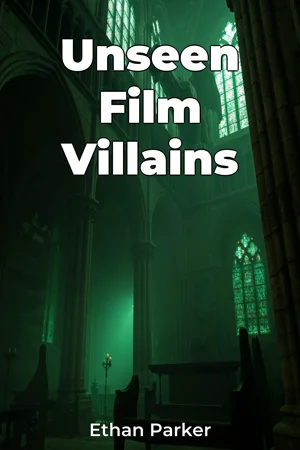
What if some of cinema's most memorable antagonists existed only as tantalizing glimpses on a cutting room floor? "Unseen Film Villains" explores the fascinating, often tumultuous, journey of movie villains from initial concept to final screen appearance, revealing the characters who were cut, rewritten, or radically changed during production, sometimes altering entire storylines and the very fabric of the films they were meant to inhabit. This book delves into the art of character development, the complexities of filmmaking, and the creative decisions that shape our cinematic experiences. This book examines two primary areas: the specific case studies of abandoned or altered villains, and the broader context of the film and television industries that influence these creative choices. The importance of villains in storytelling cannot be overstated; these are often the characters who drive the plot, challenge the hero, and explore the darker aspects of human nature. By understanding how these characters evolve (or fail to evolve) we gain insight into the creative process itself. The book provides context by exploring the history of villain archetypes in film and television, the evolution of screenwriting techniques, and the financial pressures that often dictate production decisions. This background informs the examination of specific films and television series. The central argument of "Unseen Film Villains" is that the discarded and reimagined antagonists represent more than just unrealized potential. They highlight the collaborative and often conflicted nature of filmmaking, the power struggles between directors, writers, producers, and actors, and the delicate balance between artistic vision and commercial viability. Furthermore, these “unseen” villains offer a unique lens through which to understand the cultural anxieties and societal norms that inform our storytelling. The book's structure begins with an introduction that defines key concepts, such as the role of the antagonist in narrative structure, the different types of villain archetypes, and the stages of film production where characters are most susceptible to change. The core of the book features case studies, grouped into thematic chapters: 1. Villains Cut Entirely: Exploring characters removed during pre-production or post-production, examining the reasons for their removal, and assessing their potential impact on the final product. 2. Rewritten Realities: Analyzing villains who underwent significant transformations during the screenwriting phase, focusing on how these changes affected their motivations, backstories, and relationships with other characters. 3. The Actor's Influence: Investigating instances where actors altered or subverted the original conception of a villain, exploring the dynamics between performance, script, and directorial vision. The book culminates in an analysis of the broader implications of these alterations, discussing how unseen villains reflect evolving societal values, changing audience expectations, and the ongoing debate about artistic integrity versus commercial success in the film and television industries. It also explores how these “almost” characters influence subsequent creative works and fan interpretations. The research presented is based on a variety of sources, including screenplays, production notes, interviews with filmmakers and actors, behind-the-scenes documentaries, and film criticism. This book also uses comparative analysis of different script drafts to show the evolution of specific villains. Interdisciplinary connections are made to fields such as psychology (exploring the human fascination with villainy), sociology (examining how villains reflect societal anxieties), and business (analyzing the financial risks involved in character development). This book offers a unique perspective by focusing not on the villains we know, but on the villains that almost were. It sheds light on the often-hidden creative processes that shape our favorite films and television series, offering a behind-the-scenes glimpse into the art of character creation. The tone of the book is informative and engaging, avoiding overly academic language in favor of a conversational style that appeals to both casual film enthusiasts and serious scholars. The target audience includes film students, screenwriters, filmmakers, film critics, and anyone interested in the behind-the-scenes aspects of film and television production. It assumes a general familiarity with film terminology. As a work of film studies, this book adheres to genre conventions by providing detailed film analyses, historical context, and scholarly interpretations. It aims to contribute meaningfully to the existing body of literature on villains in film and television. The scope of the book is limited to primarily American and British films and television series, with some notable examples from international cinema. The focus is on villains created from the early days of Hollywood through the present, with a greater emphasis on contemporary productions. The information presented can be applied practically by aspiring screenwriters and filmmakers who seek to learn from the successes and failures of past productions. It also provides film critics and enthusiasts with a new framework for analyzing and interpreting cinematic villains. The book addresses the ongoing debates surrounding creative control in the film industry, the role of audience expectations in shaping character development, and the ethical considerations involved in portraying villainous behavior.
What if some of cinema's most memorable antagonists existed only as tantalizing glimpses on a cutting room floor? "Unseen Film Villains" explores the fascinating, often tumultuous, journey of movie villains from initial concept to final screen appearance, revealing the characters who were cut, rewritten, or radically changed during production, sometimes altering entire storylines and the very fabric of the films they were meant to inhabit. This book delves into the art of character development, the complexities of filmmaking, and the creative decisions that shape our cinematic experiences. This book examines two primary areas: the specific case studies of abandoned or altered villains, and the broader context of the film and television industries that influence these creative choices. The importance of villains in storytelling cannot be overstated; these are often the characters who drive the plot, challenge the hero, and explore the darker aspects of human nature. By understanding how these characters evolve (or fail to evolve) we gain insight into the creative process itself. The book provides context by exploring the history of villain archetypes in film and television, the evolution of screenwriting techniques, and the financial pressures that often dictate production decisions. This background informs the examination of specific films and television series. The central argument of "Unseen Film Villains" is that the discarded and reimagined antagonists represent more than just unrealized potential. They highlight the collaborative and often conflicted nature of filmmaking, the power struggles between directors, writers, producers, and actors, and the delicate balance between artistic vision and commercial viability. Furthermore, these “unseen” villains offer a unique lens through which to understand the cultural anxieties and societal norms that inform our storytelling. The book's structure begins with an introduction that defines key concepts, such as the role of the antagonist in narrative structure, the different types of villain archetypes, and the stages of film production where characters are most susceptible to change. The core of the book features case studies, grouped into thematic chapters: 1. Villains Cut Entirely: Exploring characters removed during pre-production or post-production, examining the reasons for their removal, and assessing their potential impact on the final product. 2. Rewritten Realities: Analyzing villains who underwent significant transformations during the screenwriting phase, focusing on how these changes affected their motivations, backstories, and relationships with other characters. 3. The Actor's Influence: Investigating instances where actors altered or subverted the original conception of a villain, exploring the dynamics between performance, script, and directorial vision. The book culminates in an analysis of the broader implications of these alterations, discussing how unseen villains reflect evolving societal values, changing audience expectations, and the ongoing debate about artistic integrity versus commercial success in the film and television industries. It also explores how these “almost” characters influence subsequent creative works and fan interpretations. The research presented is based on a variety of sources, including screenplays, production notes, interviews with filmmakers and actors, behind-the-scenes documentaries, and film criticism. This book also uses comparative analysis of different script drafts to show the evolution of specific villains. Interdisciplinary connections are made to fields such as psychology (exploring the human fascination with villainy), sociology (examining how villains reflect societal anxieties), and business (analyzing the financial risks involved in character development). This book offers a unique perspective by focusing not on the villains we know, but on the villains that almost were. It sheds light on the often-hidden creative processes that shape our favorite films and television series, offering a behind-the-scenes glimpse into the art of character creation. The tone of the book is informative and engaging, avoiding overly academic language in favor of a conversational style that appeals to both casual film enthusiasts and serious scholars. The target audience includes film students, screenwriters, filmmakers, film critics, and anyone interested in the behind-the-scenes aspects of film and television production. It assumes a general familiarity with film terminology. As a work of film studies, this book adheres to genre conventions by providing detailed film analyses, historical context, and scholarly interpretations. It aims to contribute meaningfully to the existing body of literature on villains in film and television. The scope of the book is limited to primarily American and British films and television series, with some notable examples from international cinema. The focus is on villains created from the early days of Hollywood through the present, with a greater emphasis on contemporary productions. The information presented can be applied practically by aspiring screenwriters and filmmakers who seek to learn from the successes and failures of past productions. It also provides film critics and enthusiasts with a new framework for analyzing and interpreting cinematic villains. The book addresses the ongoing debates surrounding creative control in the film industry, the role of audience expectations in shaping character development, and the ethical considerations involved in portraying villainous behavior.
"Unseen Film Villains" offers a fascinating exploration into the world of cinema's almost-were antagonists, revealing the characters that were cut, rewritten, or radically altered during film production. Delving into the art of character development and the complexities of filmmaking, the book unearths how creative decisions shape our cinematic experiences. Discover how some villains, initially envisioned as central figures, were completely removed, impacting storylines and the overall feel of a film. This unique approach provides insights into the evolution of villain archetypes and the behind-the-scenes dynamics that influence which characters make it to the big screen. The book progresses through thematic chapters, examining villains cut entirely, those significantly rewritten, and instances where actors influenced a villain's portrayal. By drawing on screenplays, production notes, and interviews, "Unseen Film Villains" showcases the collaborative, often conflicted, nature of filmmaking. It emphasizes the power struggles between directors, writers, and producers, and the delicate balance between artistic vision and commercial viability. Moreover, it reveals how these "unseen" villains reflect societal values and changing audience expectations, offering a unique lens to understand the creative process and the evolution of villainy in film.
Book Details
ISBN
9788235232724
Publisher
Publifye AS
Your Licenses
You don't own any licenses for this book
Purchase a license below to unlock this book and download the EPUB.
Purchase License
Select a tier to unlock this book
Need bulk licensing?
Contact us for enterprise agreements.