
About This Book
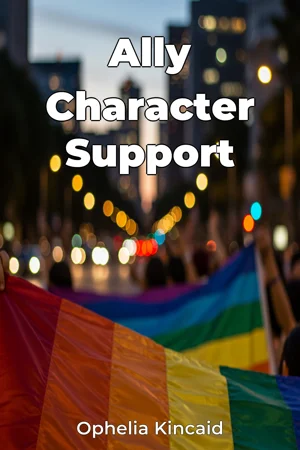
What defines a true ally in the complex narrative landscape of LGBTQ+ comics, and how do these characters shape our understanding of representation, conflict, and narrative progression? "Ally Character Support" delves into the multifaceted roles of ally characters within LGBTQ+ comics, examining their impact on both the stories themselves and the broader social understanding of LGBTQ+ issues. This book fills a critical gap in media studies and social sciences by providing a focused analysis of a frequently overlooked yet essential element of LGBTQ+ representation. This exploration begins by establishing a clear definition of "ally" within the context of LGBTQ+ comics. It moves beyond simple definitions of support to analyze the complexities of allyship, including performative allyship, the potential for missteps, and the burdens placed upon LGBTQ+ characters by allies. The work considers historical contexts, examining how societal attitudes toward LGBTQ+ individuals have evolved and influenced the portrayal of ally characters over time. The book's central argument posits that ally characters, when carefully and authentically crafted, can significantly enhance LGBTQ+ representation by providing relatable entry points for readers unfamiliar with LGBTQ+ experiences, challenging prejudiced viewpoints, and fostering a sense of solidarity. However, it also cautions against the pitfalls of centering ally narratives at the expense of LGBTQ+ voices, arguing for a balanced approach that prioritizes authentic representation and avoids tokenism. "Ally Character Support" is structured in three major sections. The first section introduces foundational concepts, defining different types of allies and establishing a theoretical framework for analyzing their roles. The second section examines specific case studies of ally characters in various LGBTQ+ comics, analyzing their actions, motivations, and impact on the narrative. These analyses consider aspects such as how ally characters support LGBTQ+ characters through adversity, navigate internal biases, and contribute to the resolution of conflicts. The third section synthesizes these analyses to offer practical guidelines for creators seeking to develop authentic and impactful ally characters. It discusses the importance of collaboration with LGBTQ+ individuals, sensitivity to potential stereotypes, and a commitment to ongoing learning and self-reflection. The evidence presented in this book draws from a diverse range of LGBTQ+ comics, spanning different genres, time periods, and cultural contexts. Close readings of these comics are supplemented by insights from LGBTQ+ studies, critical race theory, and narrative theory. Interviews with comic creators and LGBTQ+ activists provide valuable perspectives on the challenges and opportunities of portraying ally characters. This book connects to several interdisciplinary fields, including media studies, sociology, and education. It offers valuable insights for media scholars interested in representation, sociologists studying social attitudes toward LGBTQ+ individuals, and educators seeking to promote inclusivity and understanding in the classroom. "Ally Character Support" distinguishes itself through its focused examination of ally characters, an area often overlooked in broader discussions of LGBTQ+ representation. It adopts a nuanced and critical perspective, acknowledging both the potential benefits and the potential pitfalls of allyship in narrative. Written in an accessible yet academically rigorous style, this book is intended for a broad audience, including students, scholars, comic creators, and anyone interested in LGBTQ+ representation. It offers valuable insights for those seeking to understand the complexities of allyship and its impact on storytelling. While the book aims to provide a comprehensive overview of ally characters in LGBTQ+ comics, its scope is limited to published works and does not extend to fan fiction or other forms of amateur media. It acknowledges that the representation of LGBTQ+ individuals and ally characters remains an evolving area, and that ongoing critical engagement is essential. Ultimately, "Ally Character Support" offers readers tools to critically evaluate representations of allyship in LGBTQ+ comics and to understand how these characters contribute to broader social conversations about LGBTQ+ rights, acceptance, and equality. It encourages readers to consider their own roles as allies and to work towards creating a more inclusive and equitable world. The volume navigates ongoing debates surrounding what constitutes authentic allyship and the ethics of representation, providing a framework for informed discussion and responsible portrayal.
What defines a true ally in the complex narrative landscape of LGBTQ+ comics, and how do these characters shape our understanding of representation, conflict, and narrative progression? "Ally Character Support" delves into the multifaceted roles of ally characters within LGBTQ+ comics, examining their impact on both the stories themselves and the broader social understanding of LGBTQ+ issues. This book fills a critical gap in media studies and social sciences by providing a focused analysis of a frequently overlooked yet essential element of LGBTQ+ representation. This exploration begins by establishing a clear definition of "ally" within the context of LGBTQ+ comics. It moves beyond simple definitions of support to analyze the complexities of allyship, including performative allyship, the potential for missteps, and the burdens placed upon LGBTQ+ characters by allies. The work considers historical contexts, examining how societal attitudes toward LGBTQ+ individuals have evolved and influenced the portrayal of ally characters over time. The book's central argument posits that ally characters, when carefully and authentically crafted, can significantly enhance LGBTQ+ representation by providing relatable entry points for readers unfamiliar with LGBTQ+ experiences, challenging prejudiced viewpoints, and fostering a sense of solidarity. However, it also cautions against the pitfalls of centering ally narratives at the expense of LGBTQ+ voices, arguing for a balanced approach that prioritizes authentic representation and avoids tokenism. "Ally Character Support" is structured in three major sections. The first section introduces foundational concepts, defining different types of allies and establishing a theoretical framework for analyzing their roles. The second section examines specific case studies of ally characters in various LGBTQ+ comics, analyzing their actions, motivations, and impact on the narrative. These analyses consider aspects such as how ally characters support LGBTQ+ characters through adversity, navigate internal biases, and contribute to the resolution of conflicts. The third section synthesizes these analyses to offer practical guidelines for creators seeking to develop authentic and impactful ally characters. It discusses the importance of collaboration with LGBTQ+ individuals, sensitivity to potential stereotypes, and a commitment to ongoing learning and self-reflection. The evidence presented in this book draws from a diverse range of LGBTQ+ comics, spanning different genres, time periods, and cultural contexts. Close readings of these comics are supplemented by insights from LGBTQ+ studies, critical race theory, and narrative theory. Interviews with comic creators and LGBTQ+ activists provide valuable perspectives on the challenges and opportunities of portraying ally characters. This book connects to several interdisciplinary fields, including media studies, sociology, and education. It offers valuable insights for media scholars interested in representation, sociologists studying social attitudes toward LGBTQ+ individuals, and educators seeking to promote inclusivity and understanding in the classroom. "Ally Character Support" distinguishes itself through its focused examination of ally characters, an area often overlooked in broader discussions of LGBTQ+ representation. It adopts a nuanced and critical perspective, acknowledging both the potential benefits and the potential pitfalls of allyship in narrative. Written in an accessible yet academically rigorous style, this book is intended for a broad audience, including students, scholars, comic creators, and anyone interested in LGBTQ+ representation. It offers valuable insights for those seeking to understand the complexities of allyship and its impact on storytelling. While the book aims to provide a comprehensive overview of ally characters in LGBTQ+ comics, its scope is limited to published works and does not extend to fan fiction or other forms of amateur media. It acknowledges that the representation of LGBTQ+ individuals and ally characters remains an evolving area, and that ongoing critical engagement is essential. Ultimately, "Ally Character Support" offers readers tools to critically evaluate representations of allyship in LGBTQ+ comics and to understand how these characters contribute to broader social conversations about LGBTQ+ rights, acceptance, and equality. It encourages readers to consider their own roles as allies and to work towards creating a more inclusive and equitable world. The volume navigates ongoing debates surrounding what constitutes authentic allyship and the ethics of representation, providing a framework for informed discussion and responsible portrayal.
"Ally Character Support" explores the crucial role of ally characters in LGBTQ+ comics and their impact on social understanding. It examines how these characters can enhance LGBTQ+ representation by providing relatable entry points and challenging prejudices. The book also cautions against centering ally narratives at the expense of LGBTQ+ voices, advocating for authentic representation. One intriguing fact is how portrayals of ally characters have evolved alongside societal attitudes toward LGBTQ+ individuals. This exploration defines "ally" in the context of comics, moving beyond simple support to analyze complexities like performative allyship. It's structured in three sections: foundational concepts, case studies of ally characters, and practical guidelines for creators. The book draws from diverse comics, supplementing analysis with insights from LGBTQ+ studies and interviews with creators. It argues that carefully crafted ally characters foster solidarity, but warns against tokenism, emphasizing authentic representation and the importance of collaboration with LGBTQ+ individuals.
Book Details
ISBN
9788235232557
Publisher
Publifye AS
Your Licenses
You don't own any licenses for this book
Purchase a license below to unlock this book and download the EPUB.
Purchase License
Select a tier to unlock this book
Need bulk licensing?
Contact us for enterprise agreements.