
About This Book
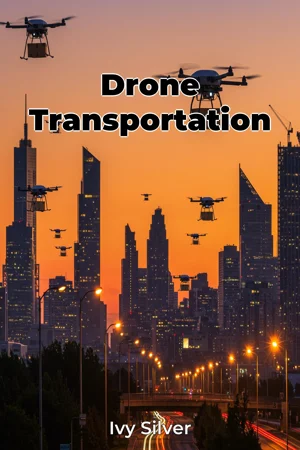
Are drones poised to redefine the very fabric of how we transport goods and monitor our world? "Drone Transportation" delves into the transformative potential of unmanned aerial vehicles (UAVs), exploring their application in both delivery systems and surveillance operations. This book examines the complex interplay of technology, business strategy, and regulatory frameworks that are shaping the future of drone technology. Understanding these elements is crucial for anyone seeking to grasp the evolving landscape of logistics, security, and data collection. This book is structured around three primary themes: the technological advancements driving drone capabilities, the business models emerging around drone-based services, and the ethical and legal considerations governing drone operations. While drones themselves encompass a range of aerial vehicles, the book focuses on commercially viable applications, setting aside military or hobbyist uses unless they directly inform the central arguments around delivery and surveillance. "Drone Transportation" argues that while technological hurdles still exist, the primary barriers to widespread drone adoption are regulatory uncertainty and public perception. The book navigates the current legal patchwork across various jurisdictions, highlighting the challenges and opportunities for businesses seeking to integrate drones into their operations. This argument is central to understanding the current state and potential future of the field, as technology is often ahead of our ability to legislate its use effectively. The book begins by establishing a foundation in drone technology, exploring advancements in battery life, navigation systems, sensor technology, and autonomous flight capabilities. It then transitions to an analysis of the business models that are emerging, examining case studies from various sectors, including e-commerce delivery, infrastructure inspection, agricultural monitoring, and disaster response. These business applications are examined using real-world examples that illustrate both successes and failures. Finally, the book addresses the ethical and legal dimensions, exploring privacy concerns, safety regulations, airspace management, and the potential for misuse. The evidence presented relies on a combination of industry reports, academic research, government publications, and case studies of companies implementing drone-based solutions. Data sources include reports from the Federal Aviation Administration (FAA), market analysis from technology consulting firms, and academic papers in the fields of robotics, logistics, and law. "Drone Transportation" also draws connections to other fields, including computer science (specifically artificial intelligence and machine learning), engineering (aerospace, electrical, and mechanical), and public policy (regulation, ethics, and security). These interdisciplinary connections enhance the book's argument by highlighting the multifaceted nature of the drone revolution. The book adopts a balanced and objective approach, presenting various perspectives on the controversies surrounding drone technology. It avoids sensationalism and focuses on providing a clear and accurate assessment of the current state of the field. The target audience includes business professionals, technology enthusiasts, policymakers, and students interested in understanding the practical applications and societal implications of drone technology. The book aims to provide readers with a comprehensive understanding of the opportunities and challenges associated with drone transportation. As a work of technology and business non-fiction, "Drone Transportation" adheres to the conventions of clear and concise writing, factual accuracy, and well-supported arguments. While providing a broad overview, the book acknowledges limitations in scope, focusing primarily on civilian applications in the United States and Europe, with some discussion of global trends. The book avoids delving into highly technical engineering details, opting instead for accessible explanations of the underlying technologies. Ultimately, "Drone Transportation" offers practical insights for readers seeking to understand how drones are transforming delivery and surveillance. The book provides a framework for assessing the potential of drone technology in various industries and navigating the complex regulatory landscape.
Are drones poised to redefine the very fabric of how we transport goods and monitor our world? "Drone Transportation" delves into the transformative potential of unmanned aerial vehicles (UAVs), exploring their application in both delivery systems and surveillance operations. This book examines the complex interplay of technology, business strategy, and regulatory frameworks that are shaping the future of drone technology. Understanding these elements is crucial for anyone seeking to grasp the evolving landscape of logistics, security, and data collection. This book is structured around three primary themes: the technological advancements driving drone capabilities, the business models emerging around drone-based services, and the ethical and legal considerations governing drone operations. While drones themselves encompass a range of aerial vehicles, the book focuses on commercially viable applications, setting aside military or hobbyist uses unless they directly inform the central arguments around delivery and surveillance. "Drone Transportation" argues that while technological hurdles still exist, the primary barriers to widespread drone adoption are regulatory uncertainty and public perception. The book navigates the current legal patchwork across various jurisdictions, highlighting the challenges and opportunities for businesses seeking to integrate drones into their operations. This argument is central to understanding the current state and potential future of the field, as technology is often ahead of our ability to legislate its use effectively. The book begins by establishing a foundation in drone technology, exploring advancements in battery life, navigation systems, sensor technology, and autonomous flight capabilities. It then transitions to an analysis of the business models that are emerging, examining case studies from various sectors, including e-commerce delivery, infrastructure inspection, agricultural monitoring, and disaster response. These business applications are examined using real-world examples that illustrate both successes and failures. Finally, the book addresses the ethical and legal dimensions, exploring privacy concerns, safety regulations, airspace management, and the potential for misuse. The evidence presented relies on a combination of industry reports, academic research, government publications, and case studies of companies implementing drone-based solutions. Data sources include reports from the Federal Aviation Administration (FAA), market analysis from technology consulting firms, and academic papers in the fields of robotics, logistics, and law. "Drone Transportation" also draws connections to other fields, including computer science (specifically artificial intelligence and machine learning), engineering (aerospace, electrical, and mechanical), and public policy (regulation, ethics, and security). These interdisciplinary connections enhance the book's argument by highlighting the multifaceted nature of the drone revolution. The book adopts a balanced and objective approach, presenting various perspectives on the controversies surrounding drone technology. It avoids sensationalism and focuses on providing a clear and accurate assessment of the current state of the field. The target audience includes business professionals, technology enthusiasts, policymakers, and students interested in understanding the practical applications and societal implications of drone technology. The book aims to provide readers with a comprehensive understanding of the opportunities and challenges associated with drone transportation. As a work of technology and business non-fiction, "Drone Transportation" adheres to the conventions of clear and concise writing, factual accuracy, and well-supported arguments. While providing a broad overview, the book acknowledges limitations in scope, focusing primarily on civilian applications in the United States and Europe, with some discussion of global trends. The book avoids delving into highly technical engineering details, opting instead for accessible explanations of the underlying technologies. Ultimately, "Drone Transportation" offers practical insights for readers seeking to understand how drones are transforming delivery and surveillance. The book provides a framework for assessing the potential of drone technology in various industries and navigating the complex regulatory landscape.
"Drone Transportation" explores the rapidly evolving world of unmanned aerial vehicles (UAVs) and their expanding roles in delivery systems and surveillance. The book highlights how drones are not just technological marvels, but are becoming increasingly integrated into various business models. It examines the convergence of technological advancements, emerging business strategies, and the ethical considerations that dictate the adoption of drone technology. One intriguing fact is the potential for drones to drastically reduce delivery times and costs, while another is their increasing use in infrastructure inspection, enhancing safety and efficiency. The book navigates through the technology, business models, and regulatory frameworks, presenting a comprehensive picture of the current state and potential future of drone technology. It argues that regulatory uncertainty and public perception pose significant barriers to widespread adoption. By presenting case studies and drawing on industry reports, the book illustrates both the successes and failures of drone implementation across various sectors. It progresses by first laying a foundation in drone technology, then analyzing emerging business models, and finally addressing the ethical and legal dimensions. "Drone Transportation" offers a balanced and objective approach, making it valuable for business professionals, technology enthusiasts, and policymakers. The book provides insights into the opportunities and challenges associated with drone transportation, focusing on civilian applications and avoiding highly technical engineering details. It emphasizes the importance of understanding the complex regulatory landscape for anyone looking to integrate drones into their operations.
Book Details
ISBN
9788235232427
Publisher
Publifye AS
Your Licenses
You don't own any licenses for this book
Purchase a license below to unlock this book and download the EPUB.
Purchase License
Select a tier to unlock this book
Need bulk licensing?
Contact us for enterprise agreements.