
About This Book
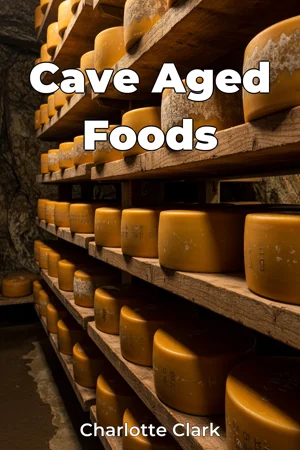
Have you ever wondered why some of the world's most prized cheeses, wines, and cured meats share a common origin—the depths of a cave? "Cave Aged Foods" delves into the fascinating world of cave aging, exploring its profound impact on the flavor, texture, and preservation of various culinary treasures. This book examines the science, history, and art behind this time-honored practice, revealing why the unique environment of caves is so conducive to creating exceptional aged products. Two central topics underpin our exploration: the science of microbial activity within caves and the traditional methods employed by artisans to harness this natural process. The significance of these topics lies in understanding how specific environmental factors, such as consistent temperature, high humidity, and unique microbial ecosystems, contribute to the development of complex flavors and textures that are difficult, if not impossible, to replicate in modern, controlled environments. This knowledge allows us to appreciate the nuances of cave-aged foods and to evaluate the authenticity of products claiming to be cave-aged. Historically, caves have been used for food storage and preservation for millennia, long before the advent of refrigeration. Naturally occurring caves provided consistent cool temperatures and protection from pests, making them ideal for aging cheese and curing meats. Over time, traditional methods evolved, passed down through generations of artisans who learned to work in harmony with the cave's environment. A basic understanding of microbiology is helpful but not essential; the book provides clear explanations of the relevant scientific principles. The central argument of "Cave Aged Foods" is that the cave environment, with its specific microclimate and microbial diversity, plays an indispensable role in crafting distinctive and high-quality aged foods. Further, the book will argue that while modern technology attempts to replicate these conditions, the complexity and nuances achieved naturally in caves remain unique and valuable. This argument is important because it highlights the value of traditional food production methods and the importance of preserving natural environments that support these practices. The book is structured to first introduce the fundamental concepts of cave microbiology and the history of cave aging. It develops these ideas by examining several major categories of cave-aged products: cheeses, wines, and cured meats. For each category, the book explores the specific cave environments that are best suited, the traditional aging techniques, and the resulting sensory characteristics. Finally, the book culminates in a discussion of the future of cave aging, considering the challenges of sustainability, authenticity, and the potential for innovation. It looks into practical implications, such as how consumers can identify authentic cave-aged products and how producers can sustainably manage cave environments. "Cave Aged Foods" supports its arguments with a combination of scientific research, historical accounts, and case studies of artisanal producers. It draws on data from microbiological analyses of cave environments, sensory evaluations of cave-aged products, and interviews with cheesemakers, winemakers, and charcutiers who practice cave aging. The book connects to several interdisciplinary fields, including microbiology, environmental science, and culinary arts. The connection to microbiology provides insights into the role of microorganisms in food fermentation and preservation. Environmental science offers an understanding of the geological and ecological factors that shape cave environments. The connection to culinary arts explores the sensory qualities of cave-aged foods and their place in gastronomy. What sets this book apart is its comprehensive and accessible approach to understanding the multifaceted nature of cave aging. It combines scientific rigor with culinary appreciation, offering readers a deeper understanding of this unique food production method. The tone is informative and engaging, adopting a conversational yet authoritative style. It is aimed at food enthusiasts, culinary professionals, and anyone interested in the science and history of food production. Readers will gain a greater appreciation for the unique qualities of cave-aged foods and the importance of preserving the natural environments in which they are produced. As a work of food writing, the book adheres to the genre's emphasis on sensory detail, historical context, and cultural significance, while also incorporating elements of scientific explanation typical of cooking books that explore the 'why' behind culinary recipes. The scope of the book is limited to the aging of foods within natural cave environments, excluding artificially constructed caves or cellars. This intentional limitation allows for a more focused and in-depth exploration of the unique characteristics of natural caves. Readers can apply the information in "Cave Aged Foods" to make informed purchasing decisions, appreciate the nuances of cave-aged products, and even experiment with home-aging techniques in suitable environments. While cave aging is generally considered a traditional and sustainable practice, there are debates surrounding the authenticity of products claiming to be cave-aged and the potential environmental impact of increased tourism and commercialization of cave environments. These debates are addressed, presenting different perspectives and encouraging readers to consider the ethical implications of their food choices.
Have you ever wondered why some of the world's most prized cheeses, wines, and cured meats share a common origin—the depths of a cave? "Cave Aged Foods" delves into the fascinating world of cave aging, exploring its profound impact on the flavor, texture, and preservation of various culinary treasures. This book examines the science, history, and art behind this time-honored practice, revealing why the unique environment of caves is so conducive to creating exceptional aged products. Two central topics underpin our exploration: the science of microbial activity within caves and the traditional methods employed by artisans to harness this natural process. The significance of these topics lies in understanding how specific environmental factors, such as consistent temperature, high humidity, and unique microbial ecosystems, contribute to the development of complex flavors and textures that are difficult, if not impossible, to replicate in modern, controlled environments. This knowledge allows us to appreciate the nuances of cave-aged foods and to evaluate the authenticity of products claiming to be cave-aged. Historically, caves have been used for food storage and preservation for millennia, long before the advent of refrigeration. Naturally occurring caves provided consistent cool temperatures and protection from pests, making them ideal for aging cheese and curing meats. Over time, traditional methods evolved, passed down through generations of artisans who learned to work in harmony with the cave's environment. A basic understanding of microbiology is helpful but not essential; the book provides clear explanations of the relevant scientific principles. The central argument of "Cave Aged Foods" is that the cave environment, with its specific microclimate and microbial diversity, plays an indispensable role in crafting distinctive and high-quality aged foods. Further, the book will argue that while modern technology attempts to replicate these conditions, the complexity and nuances achieved naturally in caves remain unique and valuable. This argument is important because it highlights the value of traditional food production methods and the importance of preserving natural environments that support these practices. The book is structured to first introduce the fundamental concepts of cave microbiology and the history of cave aging. It develops these ideas by examining several major categories of cave-aged products: cheeses, wines, and cured meats. For each category, the book explores the specific cave environments that are best suited, the traditional aging techniques, and the resulting sensory characteristics. Finally, the book culminates in a discussion of the future of cave aging, considering the challenges of sustainability, authenticity, and the potential for innovation. It looks into practical implications, such as how consumers can identify authentic cave-aged products and how producers can sustainably manage cave environments. "Cave Aged Foods" supports its arguments with a combination of scientific research, historical accounts, and case studies of artisanal producers. It draws on data from microbiological analyses of cave environments, sensory evaluations of cave-aged products, and interviews with cheesemakers, winemakers, and charcutiers who practice cave aging. The book connects to several interdisciplinary fields, including microbiology, environmental science, and culinary arts. The connection to microbiology provides insights into the role of microorganisms in food fermentation and preservation. Environmental science offers an understanding of the geological and ecological factors that shape cave environments. The connection to culinary arts explores the sensory qualities of cave-aged foods and their place in gastronomy. What sets this book apart is its comprehensive and accessible approach to understanding the multifaceted nature of cave aging. It combines scientific rigor with culinary appreciation, offering readers a deeper understanding of this unique food production method. The tone is informative and engaging, adopting a conversational yet authoritative style. It is aimed at food enthusiasts, culinary professionals, and anyone interested in the science and history of food production. Readers will gain a greater appreciation for the unique qualities of cave-aged foods and the importance of preserving the natural environments in which they are produced. As a work of food writing, the book adheres to the genre's emphasis on sensory detail, historical context, and cultural significance, while also incorporating elements of scientific explanation typical of cooking books that explore the 'why' behind culinary recipes. The scope of the book is limited to the aging of foods within natural cave environments, excluding artificially constructed caves or cellars. This intentional limitation allows for a more focused and in-depth exploration of the unique characteristics of natural caves. Readers can apply the information in "Cave Aged Foods" to make informed purchasing decisions, appreciate the nuances of cave-aged products, and even experiment with home-aging techniques in suitable environments. While cave aging is generally considered a traditional and sustainable practice, there are debates surrounding the authenticity of products claiming to be cave-aged and the potential environmental impact of increased tourism and commercialization of cave environments. These debates are addressed, presenting different perspectives and encouraging readers to consider the ethical implications of their food choices.
"Cave Aged Foods" explores the intriguing practice of cave aging, a time-honored method of food preservation that enhances flavor and texture in culinary delights like aged cheese and cured meats. The book delves into how the unique cave environment, characterized by consistent temperature and high humidity, fosters specific microbial activity crucial for developing complex sensory characteristics. Caves have been used for food storage for millennia, offering a natural and effective means of preserving food long before modern refrigeration. The book uncovers the science and traditions behind cave aging, examining the roles of microbial ecosystems and artisan techniques. It highlights how these elements combine to create exceptional products that are difficult to replicate artificially. The book progresses by first introducing the history and microbiology of cave aging, then moves on to explore specific categories like cheeses, wines, and cured meats, detailing the ideal cave environments and aging techniques for each. Ultimately, "Cave Aged Foods" argues that the cave environment's microclimate and microbial diversity play an indispensable role in crafting distinctive, high-quality foods. The book concludes by discussing the future of cave aging, including sustainability and authenticity, empowering readers to make informed choices about these unique artisan foods.
Book Details
ISBN
9788235232335
Publisher
Publifye AS
Your Licenses
You don't own any licenses for this book
Purchase a license below to unlock this book and download the EPUB.
Purchase License
Select a tier to unlock this book
Need bulk licensing?
Contact us for enterprise agreements.