
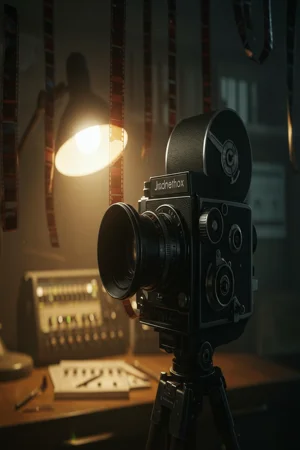
About This Book
Did you know that the iconic shower scene in Alfred Hitchcock's *Psycho* originally contained no blood, or that Marlon Brando almost torpedoed *The Godfather* before filming even began? *Unexpected Movie Facts* unveils the captivating and often turbulent stories lurking behind the silver screen's most beloved films, exposing the production challenges, creative disputes, and little-known secrets that ultimately shaped cinematic history. This book delves into the rich tapestry of filmmaking, examining movies not just as final products but as the result of complex processes involving legions of individuals, technological limitations, and sheer luck. The core of the book revolves around three primary themes: production tribulations that threatened to derail major films, instances of deliberate or accidental symbolism woven into narratives, and the human element – the actors, directors, and crew members whose personal dramas frequently bled into their work. These facets are important because they provide a fuller, more nuanced understanding of how cultural touchstones are created and how artistic visions navigate the realities of the industry. We journey from the silent era’s slapstick misfortunes to the digital age's technological snafus, providing a context for appreciating the evolution of filmmaking. The discussions assume a basic familiarity with common film terminology and a general interest in movie history, but no specialized knowledge is required. The central argument is that understanding these behind-the-scenes realities enhances viewers' appreciation and critical analysis of films. By revealing the often unpredictable path from script to screen, the book demonstrates that the final product is frequently a compromise, a negotiation between artistic intent, logistical constraints, and the personalities involved. This argument is significant because it challenges the notion of movies as monolithic artistic statements, fostering a deeper engagement with the creative process. The book is structured to progressively reveal the hidden histories of cinema. It begins with an introduction to core concepts like the studio system, independent filmmaking, and the role of technological advancements. The book then develops this by covering a variety of major points, including pre-production nightmares, on-set conflicts, and post-production miracles, with chapters dedicated to specific types of unexpected facts and stories from different eras of filmmaking. The culmination of the argument is a chapter that synthesizes these individual stories to demonstrate overarching themes and lessons about the creative process. The book concludes by exploring the applications of understanding these unexpected facts, encouraging readers to view films with a more informed and critical eye. The evidence presented is drawn from a wide array of sources, including studio archives, biographies, documentaries, interviews with cast and crew, and historical accounts. The book analyzes patterns and trends across numerous films, supporting each claim with verifiable evidence. The book connects in various ways to other areas of study, such as business, sociology, and psychology. For example, studio interference and creative conflicts reflect principles of management and organizational behavior. The book also examines how social anxieties and cultural trends affect film content and reception, and the psychological effects of fame, power dynamics, and the pressures of creative work on filmmakers and actors. These connections enhance the book's argument by demonstrating the pervasive nature of these influences on the movies we watch. The unique approach lies in its focus on the unexpected and often counterintuitive realities of filmmaking. Rather than offering straightforward historical accounts, the book emphasizes the surprising twists, accidental discoveries, and human dramas that shape cinematic history. The book is written in an accessible and engaging style, blending detailed research with compelling storytelling. It avoids overly academic jargon, opting for a conversational tone that appeals to a broad audience. The target audience consists of film enthusiasts, students of cinema, aspiring filmmakers, and anyone curious about the hidden stories behind their favorite movies. The book is valuable to them because it offers a fresh perspective on familiar films, providing a deeper appreciation for the artistry and ingenuity involved in filmmaking. *Unexpected Movie Facts* adheres to conventions of the "Film & Television, Art" genres by providing factual accounts, historical context, and insightful analysis, engaging readers with entertaining and well-researched content. The scope is limited to anecdotal and well-documented facts and stories, focusing primarily on Hollywood productions but also incorporating examples from international cinema where relevant. Readers can use the information to enhance their own appreciation of films, to spark discussions about the creative process, and to gain a broader understanding of the film industry. The book addresses the ongoing debates about the role of creative control, the impact of studio interference, and the ethical considerations involved in filmmaking. By presenting a range of perspectives, it encourages readers to form their own conclusions.
Did you know that the iconic shower scene in Alfred Hitchcock's *Psycho* originally contained no blood, or that Marlon Brando almost torpedoed *The Godfather* before filming even began? *Unexpected Movie Facts* unveils the captivating and often turbulent stories lurking behind the silver screen's most beloved films, exposing the production challenges, creative disputes, and little-known secrets that ultimately shaped cinematic history. This book delves into the rich tapestry of filmmaking, examining movies not just as final products but as the result of complex processes involving legions of individuals, technological limitations, and sheer luck. The core of the book revolves around three primary themes: production tribulations that threatened to derail major films, instances of deliberate or accidental symbolism woven into narratives, and the human element – the actors, directors, and crew members whose personal dramas frequently bled into their work. These facets are important because they provide a fuller, more nuanced understanding of how cultural touchstones are created and how artistic visions navigate the realities of the industry. We journey from the silent era’s slapstick misfortunes to the digital age's technological snafus, providing a context for appreciating the evolution of filmmaking. The discussions assume a basic familiarity with common film terminology and a general interest in movie history, but no specialized knowledge is required. The central argument is that understanding these behind-the-scenes realities enhances viewers' appreciation and critical analysis of films. By revealing the often unpredictable path from script to screen, the book demonstrates that the final product is frequently a compromise, a negotiation between artistic intent, logistical constraints, and the personalities involved. This argument is significant because it challenges the notion of movies as monolithic artistic statements, fostering a deeper engagement with the creative process. The book is structured to progressively reveal the hidden histories of cinema. It begins with an introduction to core concepts like the studio system, independent filmmaking, and the role of technological advancements. The book then develops this by covering a variety of major points, including pre-production nightmares, on-set conflicts, and post-production miracles, with chapters dedicated to specific types of unexpected facts and stories from different eras of filmmaking. The culmination of the argument is a chapter that synthesizes these individual stories to demonstrate overarching themes and lessons about the creative process. The book concludes by exploring the applications of understanding these unexpected facts, encouraging readers to view films with a more informed and critical eye. The evidence presented is drawn from a wide array of sources, including studio archives, biographies, documentaries, interviews with cast and crew, and historical accounts. The book analyzes patterns and trends across numerous films, supporting each claim with verifiable evidence. The book connects in various ways to other areas of study, such as business, sociology, and psychology. For example, studio interference and creative conflicts reflect principles of management and organizational behavior. The book also examines how social anxieties and cultural trends affect film content and reception, and the psychological effects of fame, power dynamics, and the pressures of creative work on filmmakers and actors. These connections enhance the book's argument by demonstrating the pervasive nature of these influences on the movies we watch. The unique approach lies in its focus on the unexpected and often counterintuitive realities of filmmaking. Rather than offering straightforward historical accounts, the book emphasizes the surprising twists, accidental discoveries, and human dramas that shape cinematic history. The book is written in an accessible and engaging style, blending detailed research with compelling storytelling. It avoids overly academic jargon, opting for a conversational tone that appeals to a broad audience. The target audience consists of film enthusiasts, students of cinema, aspiring filmmakers, and anyone curious about the hidden stories behind their favorite movies. The book is valuable to them because it offers a fresh perspective on familiar films, providing a deeper appreciation for the artistry and ingenuity involved in filmmaking. *Unexpected Movie Facts* adheres to conventions of the "Film & Television, Art" genres by providing factual accounts, historical context, and insightful analysis, engaging readers with entertaining and well-researched content. The scope is limited to anecdotal and well-documented facts and stories, focusing primarily on Hollywood productions but also incorporating examples from international cinema where relevant. Readers can use the information to enhance their own appreciation of films, to spark discussions about the creative process, and to gain a broader understanding of the film industry. The book addresses the ongoing debates about the role of creative control, the impact of studio interference, and the ethical considerations involved in filmmaking. By presenting a range of perspectives, it encourages readers to form their own conclusions.
"Unexpected Movie Facts" explores the captivating behind-the-scenes stories of beloved films, revealing the production challenges, creative disputes, and hidden secrets that shaped cinematic history. The book showcases how filmmaking is a complex process involving countless individuals, technological limitations, and chance encounters. Discover, for example, that the iconic shower scene in *Psycho* originally contained no blood and how Marlon Brando almost derailed *The Godfather* before filming even commenced. The book examines production tribulations, instances of deliberate or accidental symbolism woven into narratives, and the human element, focusing on actors, directors, and crew members whose personal dramas often influenced their work. It journeys from the silent era to the digital age, providing context for appreciating the evolution of filmmaking. By revealing the often unpredictable path from script to screen, the book demonstrates that the final product is frequently a compromise between artistic intent, logistical constraints, and the personalities involved. Structured to progressively reveal the hidden histories of cinema, the book begins with an introduction to core concepts and then develops by covering pre-production nightmares, on-set conflicts, and post-production miracles, with chapters dedicated to specific types of unexpected facts and stories from different eras of filmmaking. Ultimately, "Unexpected Movie Facts" enhances viewers' appreciation and critical analysis of films.
Book Details
ISBN
9788235232274
Publisher
Publifye AS
Your Licenses
You don't own any licenses for this book
Purchase a license below to unlock this book and download the EPUB.
Purchase License
Select a tier to unlock this book
Need bulk licensing?
Contact us for enterprise agreements.