
About This Book
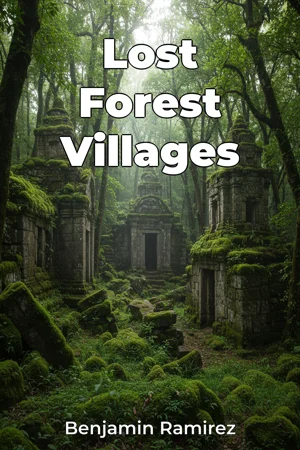
What if entire settlements, built and inhabited for generations, vanished not through cataclysm, but by design, hidden away to preserve a way of life? "Lost Forest Villages" delves into precisely this phenomenon, uncovering the secrets of isolated communities that thrived deep within forested regions, examining their distinctive architectural styles, intricate social structures, and ingenious survival strategies. This book explores the fascinating intersection of history, architecture, and anthropology to reveal how these settlements adapted to, and were shaped by, their secluded environments. The core of our investigation centers on three pivotal themes: the impetus for isolation, the manifestation of ingenuity in architecture, and the development of unique survival techniques. Understanding why these villages chose, or were forced into, isolation is paramount. We investigate historical records, oral traditions, and geographical factors to determine the pressures that led to seclusion, whether driven by persecution, resource scarcity, or a desire to maintain cultural autonomy. Crucially, this isolation fostered unique architectural adaptations. We examine how locally sourced materials, defensive designs, and community planning reflected both environmental challenges and social values, diverging significantly from mainstream architectural trends. Finally, we analyze the survival strategies these communities developed, from sustainable agriculture and resource management to specialized crafts and trading networks, that enabled them to flourish in relative isolation. Our central argument posits that the architectural and survival adaptations of lost forest villages represent a profound case study in human resilience and cultural innovation. By necessity, these communities optimized their built environments and social systems to thrive in challenging conditions, offering valuable insights into sustainable living, community resilience, and the interplay between culture and environment. This argument is substantiated through a multi-faceted research approach. We will present detailed architectural analyses of surviving structures and ruins, supported by archaeological findings and historical maps. Oral histories, where available, provide firsthand accounts and cultural context. Furthermore, we incorporate dendrochronology and environmental analyses to understand the ecological factors influencing settlement patterns and resource management. The book is structured to guide the reader through a comprehensive exploration of these topics. Part one introduces the concept of “lost forest villages,” establishing a working definition and outlining the scope of our investigation, focusing on examples across diverse geographical regions and time periods. Part two examines architectural adaptations, devoting chapters to building materials, construction techniques, defensive strategies, and the social organization of space, using case studies to illustrate key principles. Part three explores survival strategies, focusing on agriculture, resource management, craft specialization, and trade networks, demonstrating how these communities leveraged their environment and skills to achieve self-sufficiency. The conclusion synthesizes our findings, highlighting the lessons learned from these lost villages and their relevance to contemporary challenges in sustainable development, community planning, and cultural preservation. This study connects to several interdisciplinary fields. Anthropology provides insights into social structures, cultural practices, and belief systems. Ecology illuminates the relationship between settlements and their environment. Geography informs our understanding of settlement patterns, resource distribution, and trade routes. These connections enrich our analysis, providing a holistic perspective on the lives and legacies of these isolated communities. "Lost Forest Villages" adopts a narrative non-fiction approach, presenting factual information in an engaging and accessible manner. While grounded in rigorous research, the book aims to resonate with a broad audience, including history enthusiasts, architectural scholars, environmentalists, and anyone intrigued by stories of human ingenuity and resilience. It sets itself apart by drawing direct links between architectural adaptations, survival strategies, and environmental pressures, offering a holistic view of how isolation shaped these communities. The scope of the book is intentionally broad, encompassing examples from various regions and historical periods to identify common themes and unique adaptations. While focusing on architectural and survival adaptations, we acknowledge limitations in our understanding of social dynamics and belief systems due to the scarcity of available data. The information presented can be applied to contemporary challenges in sustainable development, community planning, and disaster preparedness, offering valuable lessons from the past. While not directly addressing specific controversies, the book implicitly challenges conventional notions of progress and development, highlighting the potential of alternative models based on self-sufficiency and environmental harmony.
What if entire settlements, built and inhabited for generations, vanished not through cataclysm, but by design, hidden away to preserve a way of life? "Lost Forest Villages" delves into precisely this phenomenon, uncovering the secrets of isolated communities that thrived deep within forested regions, examining their distinctive architectural styles, intricate social structures, and ingenious survival strategies. This book explores the fascinating intersection of history, architecture, and anthropology to reveal how these settlements adapted to, and were shaped by, their secluded environments. The core of our investigation centers on three pivotal themes: the impetus for isolation, the manifestation of ingenuity in architecture, and the development of unique survival techniques. Understanding why these villages chose, or were forced into, isolation is paramount. We investigate historical records, oral traditions, and geographical factors to determine the pressures that led to seclusion, whether driven by persecution, resource scarcity, or a desire to maintain cultural autonomy. Crucially, this isolation fostered unique architectural adaptations. We examine how locally sourced materials, defensive designs, and community planning reflected both environmental challenges and social values, diverging significantly from mainstream architectural trends. Finally, we analyze the survival strategies these communities developed, from sustainable agriculture and resource management to specialized crafts and trading networks, that enabled them to flourish in relative isolation. Our central argument posits that the architectural and survival adaptations of lost forest villages represent a profound case study in human resilience and cultural innovation. By necessity, these communities optimized their built environments and social systems to thrive in challenging conditions, offering valuable insights into sustainable living, community resilience, and the interplay between culture and environment. This argument is substantiated through a multi-faceted research approach. We will present detailed architectural analyses of surviving structures and ruins, supported by archaeological findings and historical maps. Oral histories, where available, provide firsthand accounts and cultural context. Furthermore, we incorporate dendrochronology and environmental analyses to understand the ecological factors influencing settlement patterns and resource management. The book is structured to guide the reader through a comprehensive exploration of these topics. Part one introduces the concept of “lost forest villages,” establishing a working definition and outlining the scope of our investigation, focusing on examples across diverse geographical regions and time periods. Part two examines architectural adaptations, devoting chapters to building materials, construction techniques, defensive strategies, and the social organization of space, using case studies to illustrate key principles. Part three explores survival strategies, focusing on agriculture, resource management, craft specialization, and trade networks, demonstrating how these communities leveraged their environment and skills to achieve self-sufficiency. The conclusion synthesizes our findings, highlighting the lessons learned from these lost villages and their relevance to contemporary challenges in sustainable development, community planning, and cultural preservation. This study connects to several interdisciplinary fields. Anthropology provides insights into social structures, cultural practices, and belief systems. Ecology illuminates the relationship between settlements and their environment. Geography informs our understanding of settlement patterns, resource distribution, and trade routes. These connections enrich our analysis, providing a holistic perspective on the lives and legacies of these isolated communities. "Lost Forest Villages" adopts a narrative non-fiction approach, presenting factual information in an engaging and accessible manner. While grounded in rigorous research, the book aims to resonate with a broad audience, including history enthusiasts, architectural scholars, environmentalists, and anyone intrigued by stories of human ingenuity and resilience. It sets itself apart by drawing direct links between architectural adaptations, survival strategies, and environmental pressures, offering a holistic view of how isolation shaped these communities. The scope of the book is intentionally broad, encompassing examples from various regions and historical periods to identify common themes and unique adaptations. While focusing on architectural and survival adaptations, we acknowledge limitations in our understanding of social dynamics and belief systems due to the scarcity of available data. The information presented can be applied to contemporary challenges in sustainable development, community planning, and disaster preparedness, offering valuable lessons from the past. While not directly addressing specific controversies, the book implicitly challenges conventional notions of progress and development, highlighting the potential of alternative models based on self-sufficiency and environmental harmony.
"Lost Forest Villages" explores the hidden world of isolated communities that deliberately retreated into forested areas. It uncovers their unique architectural adaptations and survival strategies developed over generations. These settlements, often driven by a desire for cultural autonomy or escaping persecution, offer a fascinating look into how societies can thrive outside the mainstream. The book examines how locally sourced materials became essential building blocks and how ingenious defensive designs protected these communities. The study progresses by first defining "lost forest villages" and setting the scope. It then delves into architectural adaptations, investigating building materials, construction techniques, and spatial organization. Finally, it analyzes survival strategies such as agriculture, resource management, and trade. What sets this book apart is its deep dive into the intersection of architecture, history, and anthropology, revealing how isolation shaped not only their buildings but also their entire way of life. By analyzing surviving structures, archaeological findings, and oral histories, the book argues that these villages represent a profound case study in human resilience. They optimized their built environments and social systems to thrive in challenging conditions. This offers valuable insights into sustainable living and community resilience that remain relevant today.
Book Details
ISBN
9788235231796
Publisher
Publifye AS
Your Licenses
You don't own any licenses for this book
Purchase a license below to unlock this book and download the EPUB.
Purchase License
Select a tier to unlock this book
Need bulk licensing?
Contact us for enterprise agreements.