
About This Book
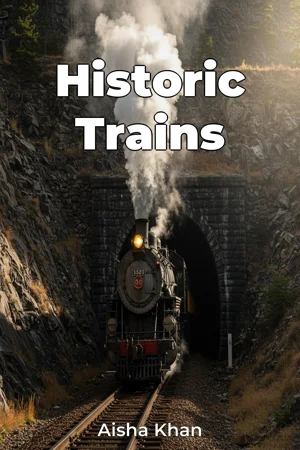
Have you ever considered how the iron horse not only shrunk continents but also forged nations and altered the course of history? "Historic Trains" embarks on a journey through time, exploring the monumental impact of trains, from the earliest steam engines to the opulent luxury railcars that redefined travel. This book examines how these mechanical marvels acted as catalysts for technological advancement, shaped socio-economic landscapes, and inspired cultural movements across the globe. This exploration centers on three crucial themes: the evolution of locomotive technology, the railway's impact on industrial and urban development, and the social and cultural narratives intertwined with train travel. Understanding these themes allows us to appreciate the profound influence trains exerted on global connectivity, trade, and societal structures. The book provides essential background on the Industrial Revolution, the rise of engineering, and the impact of these developments on global economies. "Historic Trains" argues that the railway is more than just a mode of transportation; it represents a pivotal force in shaping modern civilization. Its development spurred technological innovation, reshaped urban centers, and facilitated the rapid exchange of goods, people, and ideas. The book is structured in three parts. First, it meticulously documents the technological advancements in train design and engineering, starting with early steam engines and culminating in advanced electric and diesel locomotives. Second, "Historic Trains" examines the sociological and economic consequences of railway expansion, highlighting its role in urbanization, industrial growth, and the creation of new markets. Third, it explores the cultural impact of trains, diving into literature, art, and social perceptions associated with rail travel. The book draws upon a wealth of primary sources, including historical railway archives, engineering schematics, and firsthand accounts from travelers and railway workers. We also analyze period literature and art to reveal the cultural significance of trains. The exploration of railway technology intersects with fields such as engineering, economics, and sociology. The book’s analysis also extends to cultural studies, examining how trains inspired artistic expression and shaped collective identities. "Historic Trains" distinguishes itself by presenting a comprehensive, multidisciplinary analysis of the railway's impact. Departing from purely technical accounts, it explores the symbiotic relationship between technological advancements and socio-cultural transformations. The book adopts a factual tone, presenting information objectively while maintaining engaging storytelling to convey the human element behind these historical developments. The target audience includes history enthusiasts, technology buffs, and anyone seeking a deeper understanding of how transportation systems have shaped the modern world. The book will appeal to readers interested in the history of technology, industrial development, and the social impact of infrastructure. As a work of non-fiction, "Historic Trains" adheres to rigorous standards of historical accuracy and academic integrity, ensuring that all information is thoroughly researched and properly cited. While the book covers a broad range of topics within railway history, it intentionally focuses on the period from the early 19th century to the mid-20th century, reflecting the era of the most revolutionary advancements and widespread cultural impact. The book serves as a valuable resource for understanding the principles of infrastructure development, urban planning, and the effects of technological transitions on society. For example, the lessons from railway expansion can inform contemporary discussions about high-speed rail projects, sustainable transportation, and the importance of infrastructure investment. "Historic Trains" acknowledges that debates still exist regarding the long-term environmental impact of railways and their role in perpetuating social inequalities. By addressing these complexities, the book provides a balanced and nuanced perspective on the legacy of trains.
Have you ever considered how the iron horse not only shrunk continents but also forged nations and altered the course of history? "Historic Trains" embarks on a journey through time, exploring the monumental impact of trains, from the earliest steam engines to the opulent luxury railcars that redefined travel. This book examines how these mechanical marvels acted as catalysts for technological advancement, shaped socio-economic landscapes, and inspired cultural movements across the globe. This exploration centers on three crucial themes: the evolution of locomotive technology, the railway's impact on industrial and urban development, and the social and cultural narratives intertwined with train travel. Understanding these themes allows us to appreciate the profound influence trains exerted on global connectivity, trade, and societal structures. The book provides essential background on the Industrial Revolution, the rise of engineering, and the impact of these developments on global economies. "Historic Trains" argues that the railway is more than just a mode of transportation; it represents a pivotal force in shaping modern civilization. Its development spurred technological innovation, reshaped urban centers, and facilitated the rapid exchange of goods, people, and ideas. The book is structured in three parts. First, it meticulously documents the technological advancements in train design and engineering, starting with early steam engines and culminating in advanced electric and diesel locomotives. Second, "Historic Trains" examines the sociological and economic consequences of railway expansion, highlighting its role in urbanization, industrial growth, and the creation of new markets. Third, it explores the cultural impact of trains, diving into literature, art, and social perceptions associated with rail travel. The book draws upon a wealth of primary sources, including historical railway archives, engineering schematics, and firsthand accounts from travelers and railway workers. We also analyze period literature and art to reveal the cultural significance of trains. The exploration of railway technology intersects with fields such as engineering, economics, and sociology. The book’s analysis also extends to cultural studies, examining how trains inspired artistic expression and shaped collective identities. "Historic Trains" distinguishes itself by presenting a comprehensive, multidisciplinary analysis of the railway's impact. Departing from purely technical accounts, it explores the symbiotic relationship between technological advancements and socio-cultural transformations. The book adopts a factual tone, presenting information objectively while maintaining engaging storytelling to convey the human element behind these historical developments. The target audience includes history enthusiasts, technology buffs, and anyone seeking a deeper understanding of how transportation systems have shaped the modern world. The book will appeal to readers interested in the history of technology, industrial development, and the social impact of infrastructure. As a work of non-fiction, "Historic Trains" adheres to rigorous standards of historical accuracy and academic integrity, ensuring that all information is thoroughly researched and properly cited. While the book covers a broad range of topics within railway history, it intentionally focuses on the period from the early 19th century to the mid-20th century, reflecting the era of the most revolutionary advancements and widespread cultural impact. The book serves as a valuable resource for understanding the principles of infrastructure development, urban planning, and the effects of technological transitions on society. For example, the lessons from railway expansion can inform contemporary discussions about high-speed rail projects, sustainable transportation, and the importance of infrastructure investment. "Historic Trains" acknowledges that debates still exist regarding the long-term environmental impact of railways and their role in perpetuating social inequalities. By addressing these complexities, the book provides a balanced and nuanced perspective on the legacy of trains.
"Historic Trains" explores the profound impact of railways on the modern world, highlighting how these technological marvels reshaped societies and economies. From the earliest steam engines to luxurious railcars, trains catalyzed technological advancement, spurred industrial and urban development, and inspired cultural movements. Interestingly, the railway's expansion facilitated not only the swift exchange of goods and people but also ideas that shaped societal structures. The book examines locomotive technology's evolution, the socio-economic consequences of railway expansion, and the cultural narratives surrounding train travel. By drawing upon diverse sources like historical railway archives and firsthand accounts, "Historic Trains" provides a multidisciplinary analysis, uniquely blending technological details with socio-cultural transformations. The book progresses from the technology and engineering behind trains to their impact on urbanization and industry, concluding with an exploration of their cultural significance in art and literature.
Book Details
ISBN
9788235231451
Publisher
Publifye AS
Your Licenses
You don't own any licenses for this book
Purchase a license below to unlock this book and download the EPUB.
Purchase License
Select a tier to unlock this book
Need bulk licensing?
Contact us for enterprise agreements.