
About This Book
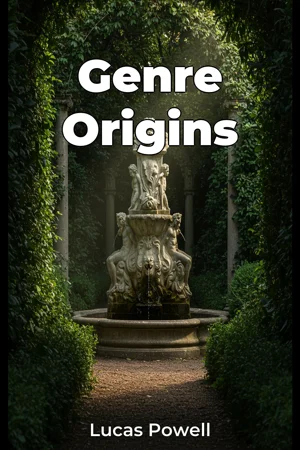
How did the literary forms we recognize today – the compelling drama, the evocative poem, and the insightful essay – truly originate, and what forces shaped their evolution? "Genre Origins" delves into the historical development of these major literary genres, exploring their complex and often surprising pathways. This book examines not only the aesthetic qualities of each form but also the social, political, and intellectual contexts that molded them. Understanding these origins provides valuable insight into the enduring power and continued relevance of drama, poetry, and the essay in contemporary society. The study is important because it connects the initial inspirations to a traceable chain of developments, illuminating the dynamic interplay between creative expression and historical circumstance. We need to examine where these forms began to comprehend their modern iterations and potential future directions. This book argues that the emergence and evolution of literary genres are not simply matters of artistic invention; they are deeply intertwined with the historical and cultural conditions in which they arose. To support this argument, we draw upon a wide range of historical texts, literary analyses, and cultural studies research. We investigate the changing social norms, political landscapes, and philosophical ideas that shaped the form and content of each genre. The book is structured in three primary sections. First, the introduction lays the groundwork by defining key terms and establishing the theoretical framework for understanding genre development. It explores the concept of genre itself, emphasizing its flexible and evolving nature. Second, the book dedicates individual chapters to the detailed exploration of each genre: drama, poetry, and the essay. Each of these sections examines its origins, tracks its major transformations across different historical periods, and analyzes the key works and authors that defined its trajectory. This section features close readings of canonical texts alongside examinations of lesser-known works that contributed to the genre's development. Third, the book culminates in a synthesis of these individual histories, drawing connections between the genres and highlighting common themes and influences. It analyzes how these genres have interacted and influenced one another over time, and considers their continued evolution in the digital age. The evidence presented in this book is derived from a variety of sources, including original literary texts, historical documents, critical essays, and scholarly research. It uses the methodologies of literary history, textual analysis, and cultural studies. "Genre Origins" connects to several other fields of study, including history, sociology, and political science. By examining the interplay between literature and society, the book offers valuable insights into the broader forces that have shaped human culture. This book takes a unique approach by emphasizing the interconnectedness of literary genres and their historical contexts. Rather than treating each genre in isolation, it seeks to understand how they have influenced one another and how they have been shaped by the same historical forces. The primary audience for this book includes students and scholars of literature, history, and cultural studies, as well as general readers interested in learning more about the origins and development of literary forms. The book is written in an accessible style, avoiding overly technical jargon and providing clear explanations of complex concepts. As a work of literary history and critical analysis, this book adheres to the conventions of academic scholarship, including careful citation of sources and rigorous argumentation. The scope is broad, covering major developments in Western literary traditions, but also acknowledges its limitations in fully exploring the diversity of global literary traditions. The information in this book can be applied practically by readers to deepen their understanding and appreciation of literature, to develop their critical thinking skills, and to gain a broader perspective on the relationship between literature and society. By tracing the historical development of literary genres, this book offers a valuable framework for analyzing and interpreting literary works from any period or culture and how essays have found home in literary collections, or how history is preserved with essays. While this book aims to provide a comprehensive overview of genre origins, it acknowledges that there are ongoing debates and controversies within the field of literary history. These debates are addressed throughout the book, with different perspectives presented and critically analyzed.
How did the literary forms we recognize today – the compelling drama, the evocative poem, and the insightful essay – truly originate, and what forces shaped their evolution? "Genre Origins" delves into the historical development of these major literary genres, exploring their complex and often surprising pathways. This book examines not only the aesthetic qualities of each form but also the social, political, and intellectual contexts that molded them. Understanding these origins provides valuable insight into the enduring power and continued relevance of drama, poetry, and the essay in contemporary society. The study is important because it connects the initial inspirations to a traceable chain of developments, illuminating the dynamic interplay between creative expression and historical circumstance. We need to examine where these forms began to comprehend their modern iterations and potential future directions. This book argues that the emergence and evolution of literary genres are not simply matters of artistic invention; they are deeply intertwined with the historical and cultural conditions in which they arose. To support this argument, we draw upon a wide range of historical texts, literary analyses, and cultural studies research. We investigate the changing social norms, political landscapes, and philosophical ideas that shaped the form and content of each genre. The book is structured in three primary sections. First, the introduction lays the groundwork by defining key terms and establishing the theoretical framework for understanding genre development. It explores the concept of genre itself, emphasizing its flexible and evolving nature. Second, the book dedicates individual chapters to the detailed exploration of each genre: drama, poetry, and the essay. Each of these sections examines its origins, tracks its major transformations across different historical periods, and analyzes the key works and authors that defined its trajectory. This section features close readings of canonical texts alongside examinations of lesser-known works that contributed to the genre's development. Third, the book culminates in a synthesis of these individual histories, drawing connections between the genres and highlighting common themes and influences. It analyzes how these genres have interacted and influenced one another over time, and considers their continued evolution in the digital age. The evidence presented in this book is derived from a variety of sources, including original literary texts, historical documents, critical essays, and scholarly research. It uses the methodologies of literary history, textual analysis, and cultural studies. "Genre Origins" connects to several other fields of study, including history, sociology, and political science. By examining the interplay between literature and society, the book offers valuable insights into the broader forces that have shaped human culture. This book takes a unique approach by emphasizing the interconnectedness of literary genres and their historical contexts. Rather than treating each genre in isolation, it seeks to understand how they have influenced one another and how they have been shaped by the same historical forces. The primary audience for this book includes students and scholars of literature, history, and cultural studies, as well as general readers interested in learning more about the origins and development of literary forms. The book is written in an accessible style, avoiding overly technical jargon and providing clear explanations of complex concepts. As a work of literary history and critical analysis, this book adheres to the conventions of academic scholarship, including careful citation of sources and rigorous argumentation. The scope is broad, covering major developments in Western literary traditions, but also acknowledges its limitations in fully exploring the diversity of global literary traditions. The information in this book can be applied practically by readers to deepen their understanding and appreciation of literature, to develop their critical thinking skills, and to gain a broader perspective on the relationship between literature and society. By tracing the historical development of literary genres, this book offers a valuable framework for analyzing and interpreting literary works from any period or culture and how essays have found home in literary collections, or how history is preserved with essays. While this book aims to provide a comprehensive overview of genre origins, it acknowledges that there are ongoing debates and controversies within the field of literary history. These debates are addressed throughout the book, with different perspectives presented and critically analyzed.
"Genre Origins" explores the historical development of major literary genres—drama, poetry, and the essay—uncovering the social, political, and intellectual contexts that shaped their evolution. By examining literary history through the lens of cultural studies, the book argues that these forms are not merely artistic inventions but are deeply intertwined with historical and cultural conditions. Readers will gain valuable insight into the enduring power and continued relevance of these genres. For example, the book traces how the essay evolved from philosophical musings to a versatile form found in literary collections, and how drama served as both entertainment and a reflection of societal values. The book is structured into three sections, beginning with an introduction that defines key terms and establishes a theoretical framework. Individual chapters then delve into the origins and transformations of each genre, featuring close readings of canonical and lesser-known works. Finally, the book synthesizes these individual histories, highlighting common themes and influences and analyzing how genres have interacted over time. This approach emphasizes the interconnectedness of literary genres and their historical contexts, providing a unique perspective on Western literary traditions. By tracing the historical development of literary forms, "Genre Origins" offers a valuable framework for analyzing and interpreting literary works from any period or culture.
Book Details
ISBN
9788235231345
Publisher
Publifye AS
Your Licenses
You don't own any licenses for this book
Purchase a license below to unlock this book and download the EPUB.
Purchase License
Select a tier to unlock this book
Need bulk licensing?
Contact us for enterprise agreements.