
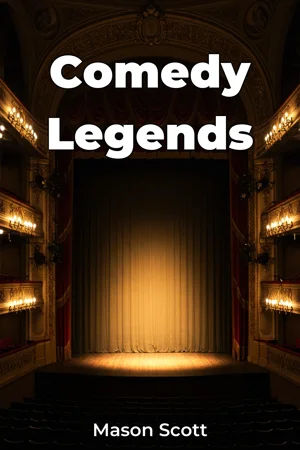
About This Book
What makes us laugh? "Comedy Legends" embarks on a comprehensive exploration of humor across history, spotlighting the performers, writers, and innovators who have shaped comedic expression. This book is a journey through the evolution of comedy, from its ancient roots in theatrical traditions to the diverse landscape of modern stand-up, television, and digital media. We delve into the critical role comedy plays in reflecting and challenging social norms, offering a unique lens through which to understand cultural shifts and human psychology. This book examines the central figures who have defined comedy across various eras and cultures. We analyze their unique styles, techniques, and the social contexts that influenced their work. We trace the development of comedic forms, highlighting the transition from physical and slapstick humor to more nuanced forms of satire, observational comedy, and character-based narratives. Understanding these trajectories provides insights into not only the history of entertainment, but also the shifting values and anxieties of societies worldwide. The historical and cultural context is crucial. This book explores how political landscapes, technological advancements, and evolving social attitudes have shaped the kinds of humor that resonate with audiences. We examine the ways in which comedic expression has been both a reflection of and a catalyst for social change, from the satirical plays of ancient Greece to the politically charged stand-up of today. The central argument is that comedy is not merely a form of entertainment, but a powerful tool for social commentary, individual expression, and cultural understanding. By examining the lives and work of comedic legends, we can gain valuable insights into the human condition and the ways in which we grapple with complex issues through laughter. The book unfolds as follows: The introduction lays the groundwork by defining key concepts in comedy theory and outlining the historical scope of our investigation. The subsequent sections are organized chronologically and thematically, exploring different periods and styles of comedy through the lens of influential figures. Early chapters focus on the pioneers of physical comedy and theatrical traditions, with later chapters dedicated to the evolution of stand-up, the impact of television and film, and the rise of digital comedy. The book culminates in an analysis of contemporary trends and the enduring relevance of comedy in a rapidly changing world. The analysis is supported by historical records, archival materials, performance transcripts, and biographical accounts. The book also draws on critical analyses of comedic works and sociological studies of humor and laughter. Where available, interviews and personal reflections from comedians themselves provide direct insights into their creative processes and artistic motivations. This book connects to other fields such as sociology, psychology, and media studies. By exploring the social and psychological dimensions of humor, we can better understand its impact on individual well-being and collective identity. The book also engages with media theory to analyze the role of technology in shaping the production, distribution, and consumption of comedy. The unique approach lies in its comprehensive scope and interdisciplinary perspective. By combining historical analysis with theoretical insights from various fields, this book offers a nuanced and multi-faceted understanding of comedy's enduring power. The tone is informative and engaging, balancing academic rigor with an accessible writing style. The book is intended for anyone with an interest in comedy, cultural history, performing arts, or social commentary. It offers valuable insights for students, scholars, and general readers alike. As a work of biography and performing arts, the book adheres to the conventions of both genres by providing detailed biographical information about key figures and in-depth analyses of their comedic performances. While the book aims to provide a broad overview of comedy history, it acknowledges the limitations of any single volume. The focus is primarily on Western traditions, with some consideration given to non-Western influences. The book’s exploration of comedic techniques provides insights that can be applied to public speaking, creative writing, and even everyday communication. Understanding the principles of humor can enhance our ability to connect with others, communicate ideas effectively, and navigate challenging situations with grace and wit. This book also acknowledges and addresses debates surrounding issues such as censorship, cultural appropriation, and the role of comedy in perpetuating or challenging stereotypes. By examining these controversies, we can foster a more critical and nuanced understanding of the complexities of comedic expression.
What makes us laugh? "Comedy Legends" embarks on a comprehensive exploration of humor across history, spotlighting the performers, writers, and innovators who have shaped comedic expression. This book is a journey through the evolution of comedy, from its ancient roots in theatrical traditions to the diverse landscape of modern stand-up, television, and digital media. We delve into the critical role comedy plays in reflecting and challenging social norms, offering a unique lens through which to understand cultural shifts and human psychology. This book examines the central figures who have defined comedy across various eras and cultures. We analyze their unique styles, techniques, and the social contexts that influenced their work. We trace the development of comedic forms, highlighting the transition from physical and slapstick humor to more nuanced forms of satire, observational comedy, and character-based narratives. Understanding these trajectories provides insights into not only the history of entertainment, but also the shifting values and anxieties of societies worldwide. The historical and cultural context is crucial. This book explores how political landscapes, technological advancements, and evolving social attitudes have shaped the kinds of humor that resonate with audiences. We examine the ways in which comedic expression has been both a reflection of and a catalyst for social change, from the satirical plays of ancient Greece to the politically charged stand-up of today. The central argument is that comedy is not merely a form of entertainment, but a powerful tool for social commentary, individual expression, and cultural understanding. By examining the lives and work of comedic legends, we can gain valuable insights into the human condition and the ways in which we grapple with complex issues through laughter. The book unfolds as follows: The introduction lays the groundwork by defining key concepts in comedy theory and outlining the historical scope of our investigation. The subsequent sections are organized chronologically and thematically, exploring different periods and styles of comedy through the lens of influential figures. Early chapters focus on the pioneers of physical comedy and theatrical traditions, with later chapters dedicated to the evolution of stand-up, the impact of television and film, and the rise of digital comedy. The book culminates in an analysis of contemporary trends and the enduring relevance of comedy in a rapidly changing world. The analysis is supported by historical records, archival materials, performance transcripts, and biographical accounts. The book also draws on critical analyses of comedic works and sociological studies of humor and laughter. Where available, interviews and personal reflections from comedians themselves provide direct insights into their creative processes and artistic motivations. This book connects to other fields such as sociology, psychology, and media studies. By exploring the social and psychological dimensions of humor, we can better understand its impact on individual well-being and collective identity. The book also engages with media theory to analyze the role of technology in shaping the production, distribution, and consumption of comedy. The unique approach lies in its comprehensive scope and interdisciplinary perspective. By combining historical analysis with theoretical insights from various fields, this book offers a nuanced and multi-faceted understanding of comedy's enduring power. The tone is informative and engaging, balancing academic rigor with an accessible writing style. The book is intended for anyone with an interest in comedy, cultural history, performing arts, or social commentary. It offers valuable insights for students, scholars, and general readers alike. As a work of biography and performing arts, the book adheres to the conventions of both genres by providing detailed biographical information about key figures and in-depth analyses of their comedic performances. While the book aims to provide a broad overview of comedy history, it acknowledges the limitations of any single volume. The focus is primarily on Western traditions, with some consideration given to non-Western influences. The book’s exploration of comedic techniques provides insights that can be applied to public speaking, creative writing, and even everyday communication. Understanding the principles of humor can enhance our ability to connect with others, communicate ideas effectively, and navigate challenging situations with grace and wit. This book also acknowledges and addresses debates surrounding issues such as censorship, cultural appropriation, and the role of comedy in perpetuating or challenging stereotypes. By examining these controversies, we can foster a more critical and nuanced understanding of the complexities of comedic expression.
"Comedy Legends" explores the vast history of humor, highlighting influential figures who have shaped comedic expression across various media. From ancient theatrical traditions to modern stand-up and television comedy, the book delves into how comedy reflects and challenges social norms. It examines the unique styles and techniques of comedians, showcasing how their work mirrors society's shifting values and anxieties. This book uniquely approaches the topic by blending historical analysis with insights from fields like sociology and psychology, offering a comprehensive understanding of comedy's enduring power. For example, the evolution from physical humor to satire illustrates a change in audience preferences and cultural sensitivities. By analyzing historical records and biographical accounts, "Comedy Legends" argues that comedy is not just entertainment, but a tool for social commentary and cultural understanding. The book progresses chronologically and thematically, starting with the pioneers of physical comedy and moving to the impact of television and the rise of digital comedy. It also addresses debates surrounding censorship and cultural appropriation, providing a nuanced view of comedic expression. This approach makes the book valuable for anyone interested in comedy, cultural history, or performing arts.
Book Details
ISBN
9788235231321
Publisher
Publifye AS
Your Licenses
You don't own any licenses for this book
Purchase a license below to unlock this book and download the EPUB.
Purchase License
Select a tier to unlock this book
Need bulk licensing?
Contact us for enterprise agreements.