
About This Book
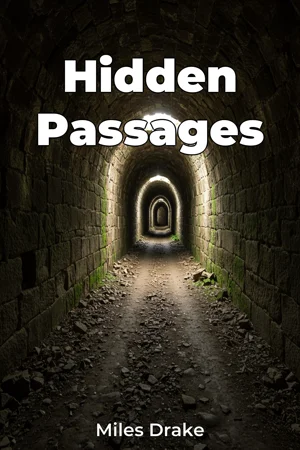
Have you ever wondered what lies beneath our feet, hidden from plain sight? "Hidden Passages" unveils the captivating world of secret tunnels, concealed doorways, and subterranean chambers that have shaped the course of history. This book explores the clandestine side of civilization, venturing into the depths to uncover the stories that have remained buried for centuries. We delve into three primary areas: the construction and purpose of hidden passages, their role in historical events, and the methods used to discover and explore these subterranean realms. These topics are crucial because they shed light on the ingenuity, paranoia, and resourcefulness of past societies, revealing how they adapted to threats, protected valuable assets, and conducted covert operations. The exploration of these passages provides a tangible connection to the past allowing us to better understand historical events and human behavior. Understanding the historical, political, and social conditions that necessitated these hidden routes is key to understanding their significance. This book provides context on the architectural techniques employed, the prevalent fears of invasion or rebellion, and the clandestine activities that occurred within these spaces. "Hidden Passages" argues that these hidden passages are not merely historical oddities, but rather vital components of human history, reflecting our enduring need for security, secrecy, and escape. By examining these subterranean networks, a greater understanding of past cultures and the evolution of human behavior can be obtained. The book begins by introducing the diverse types of hidden passages found worldwide. Then, it traces the origins of these passages, from ancient civilizations to more modern eras. The subsequent chapters explore how these passages were used during times of war for strategic advantage, as escape routes for royalty and revolutionaries, and as sanctuaries for persecuted groups. The book culminates by examining the modern-day techniques utilized by archaeologists, historians, and urban explorers to locate, document, and preserve these fragile historical sites, emphasizing the ethical considerations involved in their excavation and study. The evidence presented comes from a variety of sources including archaeological surveys, historical documents, architectural plans, and first-hand accounts from explorers and researchers. The book relies heavily on primary source materials when possible, using detailed descriptions and analysis of existing structures to support its arguments. This book intersects with fields such as archaeology, architectural history, and military strategy. By combining these perspectives, "Hidden Passages" provides a nuanced understanding of the cultural, technological, and strategic significance of subterranean networks. The analysis of architectural design provides insights into the skill and knowledge of the people who built them. "Hidden Passages" adopts a narrative non-fiction approach, weaving factual information with compelling stories to engage a broad readership. The book is intended for history enthusiasts, travelers, amateur archaeologists, and anyone with an interest in the lesser-known aspects of our past. It offers a unique perspective on history by focusing on the physical spaces where pivotal events unfolded. The book's scope is global, encompassing examples from various continents and historical periods. However, it acknowledges the limitations of available data and focuses on well-documented examples. The information provided can be applied to historical site interpretation, urban planning, and even modern security design. By understanding how hidden passages were used in the past, we can gain insights into current security challenges and explore innovative solutions. While the existence of many hidden passages is well-documented, there are ongoing debates about their precise uses and the motivations of those who constructed them. This book explores these controversies, presenting different perspectives and encouraging critical analysis.
Have you ever wondered what lies beneath our feet, hidden from plain sight? "Hidden Passages" unveils the captivating world of secret tunnels, concealed doorways, and subterranean chambers that have shaped the course of history. This book explores the clandestine side of civilization, venturing into the depths to uncover the stories that have remained buried for centuries. We delve into three primary areas: the construction and purpose of hidden passages, their role in historical events, and the methods used to discover and explore these subterranean realms. These topics are crucial because they shed light on the ingenuity, paranoia, and resourcefulness of past societies, revealing how they adapted to threats, protected valuable assets, and conducted covert operations. The exploration of these passages provides a tangible connection to the past allowing us to better understand historical events and human behavior. Understanding the historical, political, and social conditions that necessitated these hidden routes is key to understanding their significance. This book provides context on the architectural techniques employed, the prevalent fears of invasion or rebellion, and the clandestine activities that occurred within these spaces. "Hidden Passages" argues that these hidden passages are not merely historical oddities, but rather vital components of human history, reflecting our enduring need for security, secrecy, and escape. By examining these subterranean networks, a greater understanding of past cultures and the evolution of human behavior can be obtained. The book begins by introducing the diverse types of hidden passages found worldwide. Then, it traces the origins of these passages, from ancient civilizations to more modern eras. The subsequent chapters explore how these passages were used during times of war for strategic advantage, as escape routes for royalty and revolutionaries, and as sanctuaries for persecuted groups. The book culminates by examining the modern-day techniques utilized by archaeologists, historians, and urban explorers to locate, document, and preserve these fragile historical sites, emphasizing the ethical considerations involved in their excavation and study. The evidence presented comes from a variety of sources including archaeological surveys, historical documents, architectural plans, and first-hand accounts from explorers and researchers. The book relies heavily on primary source materials when possible, using detailed descriptions and analysis of existing structures to support its arguments. This book intersects with fields such as archaeology, architectural history, and military strategy. By combining these perspectives, "Hidden Passages" provides a nuanced understanding of the cultural, technological, and strategic significance of subterranean networks. The analysis of architectural design provides insights into the skill and knowledge of the people who built them. "Hidden Passages" adopts a narrative non-fiction approach, weaving factual information with compelling stories to engage a broad readership. The book is intended for history enthusiasts, travelers, amateur archaeologists, and anyone with an interest in the lesser-known aspects of our past. It offers a unique perspective on history by focusing on the physical spaces where pivotal events unfolded. The book's scope is global, encompassing examples from various continents and historical periods. However, it acknowledges the limitations of available data and focuses on well-documented examples. The information provided can be applied to historical site interpretation, urban planning, and even modern security design. By understanding how hidden passages were used in the past, we can gain insights into current security challenges and explore innovative solutions. While the existence of many hidden passages is well-documented, there are ongoing debates about their precise uses and the motivations of those who constructed them. This book explores these controversies, presenting different perspectives and encouraging critical analysis.
"Hidden Passages" delves into the fascinating world beneath our feet, revealing the history of secret tunnels and subterranean realms across civilizations. These hidden spaces weren't just architectural quirks; they served critical roles in covert operations, escape routes, and even military strategy. Imagine entire networks built for clandestine purposes, reflecting the ingenuity and paranoia of societies facing threats. The book explores the construction, purpose, and discovery of these hidden passages, painting a vivid picture of their importance in historical events. From ancient civilizations to more modern eras, these passages have been instrumental in shaping history. Consider how secret tunnels provided escape routes for royalty or sanctuaries for persecuted groups, showcasing the resourcefulness of those seeking safety and security. "Hidden Passages" takes a narrative non-fiction approach, blending factual information with compelling stories. The book starts by introducing the diverse types of hidden passages found worldwide and traces their origins. Subsequent chapters explore their strategic use in times of war, their function as escape routes, and how archaeologists today locate and preserve these fragile historical sites, offering readers a unique lens through which to view history.
Book Details
ISBN
9788235231253
Publisher
Publifye AS
Your Licenses
You don't own any licenses for this book
Purchase a license below to unlock this book and download the EPUB.
Purchase License
Select a tier to unlock this book
Need bulk licensing?
Contact us for enterprise agreements.