
About This Book
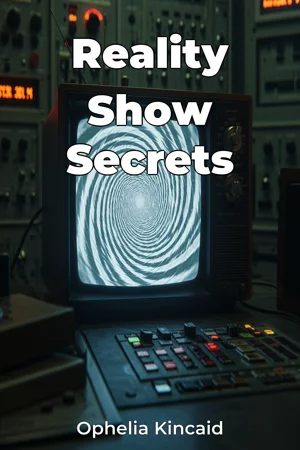
Have you ever wondered how 'real' reality TV truly is? "Reality Show Secrets" pulls back the curtain on the multi-billion-dollar industry of unscripted television, revealing the intricate mechanisms used to manufacture drama, manipulate narratives, and keep viewers glued to their screens. This book delves into the core elements of reality TV production: the art of scripting “unscripted” scenarios, the immense power wielded by producers in shaping storylines, and the behind-the-scenes tactics employed to maintain audience engagement. Understanding these elements is crucial in an era where reality television significantly influences public perception and cultural trends. The central argument of "Reality Show Secrets" posits that reality television, far from being a spontaneous reflection of real life, is a carefully constructed and heavily edited product designed to maximize entertainment value and profitability. This manipulation extends from casting choices to carefully crafted storylines and the strategic use of editing techniques. Exploring this argument is vital because it challenges our assumptions about authenticity in media and prompts critical evaluation of the messages we consume. This book unfolds in a structured manner to expose the inner workings of reality television. First, it introduces the fundamental concepts of reality TV production, examining the roles of producers, editors, and casting directors in shaping the final product. We then delve into the heart of the matter, exploring two key areas: the subtle art of scripting reality and the manipulation of contestants' narratives. Scripting tactics range from providing leading questions and prompting specific actions to outright staging of scenes. Narrative control involves manipulating editing to portray contestants in a particular light, often creating heroes and villains to intensify viewer engagement. The culmination of the argument reveals the ethical implications of these practices, discussing the psychological impact on participants and the potential for misrepresentation. Finally, the book explores real-world applications of understanding media manipulation, offering tools for viewers to critically analyze reality television and its impact on their perceptions. The evidence presented in "Reality Show Secrets" stems from a variety of sources, including interviews with former reality TV contestants and producers, analyses of show transcripts and footage, and insights from academic studies on media manipulation and audience psychology. This unique combination of primary and secondary data provides a comprehensive and compelling account of the industry's practices. This book also connects to the fields of psychology, sociology, and media studies. Psychological principles are used to understand how contestants are influenced and manipulated. Sociological frameworks help analyze the cultural impact of reality TV and its reflection (or distortion) of societal norms. Media studies provide the theoretical lens through which to examine the persuasive techniques employed by producers. A unique aspect of this book is its balanced perspective. While exposing the manipulative aspects of reality television, it also acknowledges the artistry and skill involved in producing compelling entertainment. It's not simply a condemnation of the genre but a critical examination of its methods and implications. Written in a clear and accessible style, "Reality Show Secrets" avoids academic jargon and presents complex information in an easy-to-understand manner. It is aimed at a broad audience, including media consumers, aspiring filmmakers, journalism students, and anyone interested in understanding the forces shaping our media landscape. The book adheres to the conventions of investigative journalism by presenting factual information, providing evidence-based arguments, and maintaining a neutral tone. The scope of this book is limited to the production and manipulation aspects of reality television, with a focus on popular formats such as competition shows, dating shows, and lifestyle programs. It does not delve into the legal or financial aspects of the industry. The information presented can be applied practically by media consumers who wish to become more discerning viewers. Understanding the techniques used to manipulate narratives can empower individuals to critically evaluate the information they consume from all media sources. "Reality Show Secrets" addresses the ongoing debate about the ethical responsibilities of reality TV producers and the potential for psychological harm to contestants. It contributes to a broader conversation about the need for greater transparency and accountability in the entertainment industry.
Have you ever wondered how 'real' reality TV truly is? "Reality Show Secrets" pulls back the curtain on the multi-billion-dollar industry of unscripted television, revealing the intricate mechanisms used to manufacture drama, manipulate narratives, and keep viewers glued to their screens. This book delves into the core elements of reality TV production: the art of scripting “unscripted” scenarios, the immense power wielded by producers in shaping storylines, and the behind-the-scenes tactics employed to maintain audience engagement. Understanding these elements is crucial in an era where reality television significantly influences public perception and cultural trends. The central argument of "Reality Show Secrets" posits that reality television, far from being a spontaneous reflection of real life, is a carefully constructed and heavily edited product designed to maximize entertainment value and profitability. This manipulation extends from casting choices to carefully crafted storylines and the strategic use of editing techniques. Exploring this argument is vital because it challenges our assumptions about authenticity in media and prompts critical evaluation of the messages we consume. This book unfolds in a structured manner to expose the inner workings of reality television. First, it introduces the fundamental concepts of reality TV production, examining the roles of producers, editors, and casting directors in shaping the final product. We then delve into the heart of the matter, exploring two key areas: the subtle art of scripting reality and the manipulation of contestants' narratives. Scripting tactics range from providing leading questions and prompting specific actions to outright staging of scenes. Narrative control involves manipulating editing to portray contestants in a particular light, often creating heroes and villains to intensify viewer engagement. The culmination of the argument reveals the ethical implications of these practices, discussing the psychological impact on participants and the potential for misrepresentation. Finally, the book explores real-world applications of understanding media manipulation, offering tools for viewers to critically analyze reality television and its impact on their perceptions. The evidence presented in "Reality Show Secrets" stems from a variety of sources, including interviews with former reality TV contestants and producers, analyses of show transcripts and footage, and insights from academic studies on media manipulation and audience psychology. This unique combination of primary and secondary data provides a comprehensive and compelling account of the industry's practices. This book also connects to the fields of psychology, sociology, and media studies. Psychological principles are used to understand how contestants are influenced and manipulated. Sociological frameworks help analyze the cultural impact of reality TV and its reflection (or distortion) of societal norms. Media studies provide the theoretical lens through which to examine the persuasive techniques employed by producers. A unique aspect of this book is its balanced perspective. While exposing the manipulative aspects of reality television, it also acknowledges the artistry and skill involved in producing compelling entertainment. It's not simply a condemnation of the genre but a critical examination of its methods and implications. Written in a clear and accessible style, "Reality Show Secrets" avoids academic jargon and presents complex information in an easy-to-understand manner. It is aimed at a broad audience, including media consumers, aspiring filmmakers, journalism students, and anyone interested in understanding the forces shaping our media landscape. The book adheres to the conventions of investigative journalism by presenting factual information, providing evidence-based arguments, and maintaining a neutral tone. The scope of this book is limited to the production and manipulation aspects of reality television, with a focus on popular formats such as competition shows, dating shows, and lifestyle programs. It does not delve into the legal or financial aspects of the industry. The information presented can be applied practically by media consumers who wish to become more discerning viewers. Understanding the techniques used to manipulate narratives can empower individuals to critically evaluate the information they consume from all media sources. "Reality Show Secrets" addresses the ongoing debate about the ethical responsibilities of reality TV producers and the potential for psychological harm to contestants. It contributes to a broader conversation about the need for greater transparency and accountability in the entertainment industry.
"Reality Show Secrets" unveils the carefully constructed world of unscripted television. It argues that reality TV, far from being spontaneous, is a product meticulously shaped to maximize entertainment and profit. The book highlights how producers wield immense power, scripting "unscripted" scenarios and manipulating narratives through strategic editing. Did you know that contestants can be subtly prompted to behave in specific ways, or that editing can create heroes and villains to heighten viewer engagement? The book progresses methodically, beginning with the roles of producers, editors, and casting directors. It then explores the art of scripting reality and the manipulation of contestants' stories, culminating in an examination of the ethical implications. This includes the potential psychological impact on participants and the distortion of societal norms. By combining interviews, analyses of show footage, and academic insights, "Reality Show Secrets" offers a balanced perspective, acknowledging the artistry involved while exposing the manipulative tactics behind the scenes. This book is valuable for media consumers, aspiring filmmakers, and journalism students alike. It empowers readers to critically analyze reality television and its influence, providing tools to understand media manipulation. The book's approach is factual and evidence-based, adhering to investigative journalism standards.
Book Details
ISBN
9788235231123
Publisher
Publifye AS
Your Licenses
You don't own any licenses for this book
Purchase a license below to unlock this book and download the EPUB.
Purchase License
Select a tier to unlock this book
Need bulk licensing?
Contact us for enterprise agreements.