
About This Book
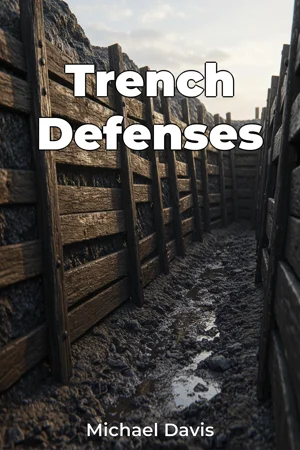
Could the static, brutal nature of trench warfare have fundamentally reshaped military strategy, or was it merely a temporary aberration in the history of conflict? This book, "Trench Defenses," delves into the intricate world of trench design, defensive strategies, and their enduring impact on the conduct of war, with a particular focus on World War I and subsequent conflicts. We will explore the evolution of trench warfare, examining the strategic thinking behind their construction and employment, and assessing their lasting legacy on military doctrine. The book addresses several key topics, including the engineering principles that shaped trench systems, the defensive tactics employed by soldiers within these fortifications, and the psychological and physical impact of sustained trench warfare on combatants. These topics are vital because they illuminate a pivotal period in military history, revealing how technological advancements and tactical adaptations led to a protracted stalemate that defined an era. Without understanding trenches, a comprehensive view of modern warfare remains incomplete. To fully grasp the significance of trench warfare, we will provide historical context, tracing the development of defensive earthworks from earlier siege warfare to their widespread use in the 20th century. We will address the rudimentary understanding of disease control and sanitation prevalent during World War I, which exacerbated the already horrific conditions within the trenches. No specific prerequisite knowledge is required; "Trench Defenses" is designed to be accessible to anyone interested in military history. The central argument of this book is that trench warfare, though seemingly a static form of conflict, spurred significant innovations in military technology, tactics, and strategy, influencing subsequent conflicts in ways that are still felt today. We will demonstrate that the defensive advantages offered by trenches dictated the tactical approaches used on the Western Front and beyond, ultimately transforming the nature of warfare. The book begins by introducing the fundamental principles of trench design, outlining the different types of trenches, their construction methods, and the materials used. We then move into the development of ideas surrounding defensive tactics, focusing on the use of machine guns, artillery, and barbed wire in creating impenetrable defensive lines. A major section details the evolution of offensive strategies designed to overcome trench defenses, including the use of creeping barrages, tanks, and specialized infantry units. Finally, we will analyze the long-term impact of trench warfare, exploring its influence on military doctrine, the psychological effects on soldiers, and the enduring legacy of this form of combat in later conflicts. The evidence presented in "Trench Defenses" is drawn from a variety of sources, including primary accounts from soldiers who fought in the trenches, official military records, engineering schematics of trench systems, and analyses of battlefield tactics. The book features data from battlefield archaeology, which provides insights into the actual construction and layout of trench systems. "Trench Defenses" connects to other fields of study, including engineering (trench construction/design), psychology (impact of trench warfare on soldiers), and political science (the influence of trench warfare on diplomacy and international relations). These connections enhance the argument by providing a multi-faceted understanding of the impact of trench warfare. This book offers a comprehensive and accessible examination of trench warfare, providing readers with a deeper understanding of its impact on military history. The tone aims to be professional yet accessible, avoiding jargon and presenting complex information in a clear and engaging manner. The target audience includes students of military history, wargamers, and anyone interested in learning more about the realities of trench warfare. This book provides a valuable resource for understanding a pivotal period in military history. As a work of military history, "Trench Defenses" adheres to the genre's conventions by presenting a fact-based, objective analysis of its subject matter, drawing on primary and secondary sources to support its arguments. The scope of the book is broad, encompassing the design, tactics, and impact of trench warfare across various conflicts, but it primarily focuses on the Western Front of World War I. The book's coverage is also limited to the practical aspects of trench warfare; while the causes of the war will be mentioned, they will not represent a primary focus. The information presented in "Trench Defenses" has real-world applications for understanding modern military strategy and the challenges of defensive warfare. By studying the successes and failures of trench warfare, military planners can gain insights into the design and employment of defensive fortifications in contemporary conflicts. While some argue that trench warfare was a purely Western Front phenomenon, this book will address that debate. It will explore examples of trench warfare that occurred in other conflicts and theaters of operation, highlighting the variations and similarities.
Could the static, brutal nature of trench warfare have fundamentally reshaped military strategy, or was it merely a temporary aberration in the history of conflict? This book, "Trench Defenses," delves into the intricate world of trench design, defensive strategies, and their enduring impact on the conduct of war, with a particular focus on World War I and subsequent conflicts. We will explore the evolution of trench warfare, examining the strategic thinking behind their construction and employment, and assessing their lasting legacy on military doctrine. The book addresses several key topics, including the engineering principles that shaped trench systems, the defensive tactics employed by soldiers within these fortifications, and the psychological and physical impact of sustained trench warfare on combatants. These topics are vital because they illuminate a pivotal period in military history, revealing how technological advancements and tactical adaptations led to a protracted stalemate that defined an era. Without understanding trenches, a comprehensive view of modern warfare remains incomplete. To fully grasp the significance of trench warfare, we will provide historical context, tracing the development of defensive earthworks from earlier siege warfare to their widespread use in the 20th century. We will address the rudimentary understanding of disease control and sanitation prevalent during World War I, which exacerbated the already horrific conditions within the trenches. No specific prerequisite knowledge is required; "Trench Defenses" is designed to be accessible to anyone interested in military history. The central argument of this book is that trench warfare, though seemingly a static form of conflict, spurred significant innovations in military technology, tactics, and strategy, influencing subsequent conflicts in ways that are still felt today. We will demonstrate that the defensive advantages offered by trenches dictated the tactical approaches used on the Western Front and beyond, ultimately transforming the nature of warfare. The book begins by introducing the fundamental principles of trench design, outlining the different types of trenches, their construction methods, and the materials used. We then move into the development of ideas surrounding defensive tactics, focusing on the use of machine guns, artillery, and barbed wire in creating impenetrable defensive lines. A major section details the evolution of offensive strategies designed to overcome trench defenses, including the use of creeping barrages, tanks, and specialized infantry units. Finally, we will analyze the long-term impact of trench warfare, exploring its influence on military doctrine, the psychological effects on soldiers, and the enduring legacy of this form of combat in later conflicts. The evidence presented in "Trench Defenses" is drawn from a variety of sources, including primary accounts from soldiers who fought in the trenches, official military records, engineering schematics of trench systems, and analyses of battlefield tactics. The book features data from battlefield archaeology, which provides insights into the actual construction and layout of trench systems. "Trench Defenses" connects to other fields of study, including engineering (trench construction/design), psychology (impact of trench warfare on soldiers), and political science (the influence of trench warfare on diplomacy and international relations). These connections enhance the argument by providing a multi-faceted understanding of the impact of trench warfare. This book offers a comprehensive and accessible examination of trench warfare, providing readers with a deeper understanding of its impact on military history. The tone aims to be professional yet accessible, avoiding jargon and presenting complex information in a clear and engaging manner. The target audience includes students of military history, wargamers, and anyone interested in learning more about the realities of trench warfare. This book provides a valuable resource for understanding a pivotal period in military history. As a work of military history, "Trench Defenses" adheres to the genre's conventions by presenting a fact-based, objective analysis of its subject matter, drawing on primary and secondary sources to support its arguments. The scope of the book is broad, encompassing the design, tactics, and impact of trench warfare across various conflicts, but it primarily focuses on the Western Front of World War I. The book's coverage is also limited to the practical aspects of trench warfare; while the causes of the war will be mentioned, they will not represent a primary focus. The information presented in "Trench Defenses" has real-world applications for understanding modern military strategy and the challenges of defensive warfare. By studying the successes and failures of trench warfare, military planners can gain insights into the design and employment of defensive fortifications in contemporary conflicts. While some argue that trench warfare was a purely Western Front phenomenon, this book will address that debate. It will explore examples of trench warfare that occurred in other conflicts and theaters of operation, highlighting the variations and similarities.
"Trench Defenses" explores the grim realities of trench warfare, focusing on its profound impact on military strategy and doctrine, particularly during World War I. The book delves into the evolution of trench design, examining the engineering principles behind these fortifications and the defensive tactics employed within them. One intriguing aspect is how rudimentary understanding of disease control exacerbated the already horrific conditions. The book also reveals how trench warfare, despite its static nature, spurred innovations in military technology. This study analyzes the use of machine guns, artillery, and barbed wire to create nearly impenetrable defensive lines and details the offensive strategies developed to overcome these defenses, such as creeping barrages and specialized infantry. It traces the development of defensive earthworks from earlier siege warfare to their widespread use in the 20th century. The book progresses from the fundamental principles of trench design to an analysis of the long-term impact of trench warfare, presenting primary accounts, military records, and battlefield archaeology data to provide a comprehensive understanding.
Book Details
ISBN
9788235231024
Publisher
Publifye AS
Your Licenses
You don't own any licenses for this book
Purchase a license below to unlock this book and download the EPUB.
Purchase License
Select a tier to unlock this book
Need bulk licensing?
Contact us for enterprise agreements.