
About This Book
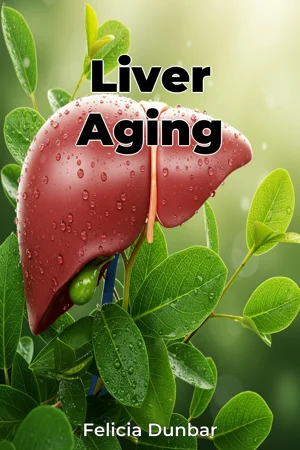
Is your liver aging faster than you are? "Liver Aging" delves into the intricate process of how this vital organ changes throughout our lives, examining the implications for detoxification, metabolism, and overall health. This book explores the often-overlooked aspects of liver health, offering a comprehensive guide for maintaining its optimal function naturally. The book addresses three key topics. First, it provides a detailed examination of the liver's complex functions, specifically focusing on its role in removing toxins and metabolizing nutrients, drugs, and hormones. Second, it investigates how these functions evolve and potentially decline with age, exploring the underlying mechanisms that contribute to age-related liver changes. Third, and most importantly, it provides evidence-based strategies and natural approaches for promoting liver health and mitigating the effects of aging. These topics are significant because the liver's efficiency directly impacts our overall well-being and longevity. Its decline can accelerate the aging process and increase susceptibility to various diseases. "Liver Aging" builds upon established research in hepatology, gerontology, and nutrition. Readers will benefit from a foundational understanding of liver anatomy and physiology, as well as basic concepts in age-related cellular and molecular changes. The book's central argument is that proactive liver care, informed by an understanding of its aging process, can significantly contribute to enhanced healthspan and disease prevention. The book is structured to guide the reader through a comprehensive understanding of liver aging, starting with an introduction to the liver's multifaceted roles and common misconceptions about liver health. It then develops the core ideas in three major sections. The first section investigates the age-related structural and functional changes in the liver, including altered blood flow, reduced regenerative capacity, and increased fat accumulation. The second section dives into the molecular mechanisms driving these changes, discussing the roles of oxidative stress, inflammation, and genetic factors. The final section details practical, evidence-backed strategies for supporting liver health, focusing on dietary interventions, lifestyle modifications, and targeted nutritional supplements. The book culminates with a discussion of future research directions and the implications of liver aging for personalized medicine. The book draws upon a wide range of scientific evidence, including clinical trials, observational studies, and laboratory research. It references data from leading hepatology journals, governmental health organizations, and large-scale epidemiological studies. Methodologies discussed include advanced imaging techniques, biochemical assays, and genetic analyses used to assess liver function and aging. "Liver Aging" connects to multiple disciplines, including nutrition science, pharmacology, and preventative medicine. The nutritional aspect connects with dietary recommendations to support liver function; pharmacology explores the impact of medications on the aging liver; and preventative medicine focuses on implementing proactive strategies to mitigate age-related decline. This book stands apart by integrating a comprehensive scientific understanding of liver aging with practical, actionable advice for everyday life. It presents complex scientific concepts in an accessible manner, empowering readers to take control of their liver health. The book adopts a fact-based and informative tone, presenting scientific findings in a clear and concise manner. While incorporating some practical advice, the primary focus is on conveying a detailed understanding of the aging liver. The intended audience includes health-conscious individuals, healthcare professionals (including nurses, dietitians, and general practitioners), and anyone interested in learning more about the aging process and strategies for maintaining optimal health. This book would be valuable to them by providing a scientifically grounded guide to supporting liver health throughout their lives. As a book in the Health & Fitness and Medical General genres, "Liver Aging" aims to provide accurate, up-to-date information supported by scientific evidence. It avoids making unsubstantiated claims and focuses on presenting a balanced perspective on the topic. The book's scope encompasses the physiological, pathological, and practical aspects of liver aging. However, it does not delve into specific liver diseases (such as cirrhosis or hepatitis) in great detail, focusing instead on the broader process of age-related change. The information presented in "Liver Aging" can be applied to daily life through dietary adjustments (such as incorporating liver-friendly foods and limiting alcohol consumption), lifestyle changes (such as regular exercise and stress management), and the informed use of nutritional supplements. While there is general agreement on the importance of liver health, some controversies exist regarding the efficacy of certain supplements and the optimal dietary approaches. The book addresses these debates by presenting the available evidence and highlighting areas of ongoing research.
Is your liver aging faster than you are? "Liver Aging" delves into the intricate process of how this vital organ changes throughout our lives, examining the implications for detoxification, metabolism, and overall health. This book explores the often-overlooked aspects of liver health, offering a comprehensive guide for maintaining its optimal function naturally. The book addresses three key topics. First, it provides a detailed examination of the liver's complex functions, specifically focusing on its role in removing toxins and metabolizing nutrients, drugs, and hormones. Second, it investigates how these functions evolve and potentially decline with age, exploring the underlying mechanisms that contribute to age-related liver changes. Third, and most importantly, it provides evidence-based strategies and natural approaches for promoting liver health and mitigating the effects of aging. These topics are significant because the liver's efficiency directly impacts our overall well-being and longevity. Its decline can accelerate the aging process and increase susceptibility to various diseases. "Liver Aging" builds upon established research in hepatology, gerontology, and nutrition. Readers will benefit from a foundational understanding of liver anatomy and physiology, as well as basic concepts in age-related cellular and molecular changes. The book's central argument is that proactive liver care, informed by an understanding of its aging process, can significantly contribute to enhanced healthspan and disease prevention. The book is structured to guide the reader through a comprehensive understanding of liver aging, starting with an introduction to the liver's multifaceted roles and common misconceptions about liver health. It then develops the core ideas in three major sections. The first section investigates the age-related structural and functional changes in the liver, including altered blood flow, reduced regenerative capacity, and increased fat accumulation. The second section dives into the molecular mechanisms driving these changes, discussing the roles of oxidative stress, inflammation, and genetic factors. The final section details practical, evidence-backed strategies for supporting liver health, focusing on dietary interventions, lifestyle modifications, and targeted nutritional supplements. The book culminates with a discussion of future research directions and the implications of liver aging for personalized medicine. The book draws upon a wide range of scientific evidence, including clinical trials, observational studies, and laboratory research. It references data from leading hepatology journals, governmental health organizations, and large-scale epidemiological studies. Methodologies discussed include advanced imaging techniques, biochemical assays, and genetic analyses used to assess liver function and aging. "Liver Aging" connects to multiple disciplines, including nutrition science, pharmacology, and preventative medicine. The nutritional aspect connects with dietary recommendations to support liver function; pharmacology explores the impact of medications on the aging liver; and preventative medicine focuses on implementing proactive strategies to mitigate age-related decline. This book stands apart by integrating a comprehensive scientific understanding of liver aging with practical, actionable advice for everyday life. It presents complex scientific concepts in an accessible manner, empowering readers to take control of their liver health. The book adopts a fact-based and informative tone, presenting scientific findings in a clear and concise manner. While incorporating some practical advice, the primary focus is on conveying a detailed understanding of the aging liver. The intended audience includes health-conscious individuals, healthcare professionals (including nurses, dietitians, and general practitioners), and anyone interested in learning more about the aging process and strategies for maintaining optimal health. This book would be valuable to them by providing a scientifically grounded guide to supporting liver health throughout their lives. As a book in the Health & Fitness and Medical General genres, "Liver Aging" aims to provide accurate, up-to-date information supported by scientific evidence. It avoids making unsubstantiated claims and focuses on presenting a balanced perspective on the topic. The book's scope encompasses the physiological, pathological, and practical aspects of liver aging. However, it does not delve into specific liver diseases (such as cirrhosis or hepatitis) in great detail, focusing instead on the broader process of age-related change. The information presented in "Liver Aging" can be applied to daily life through dietary adjustments (such as incorporating liver-friendly foods and limiting alcohol consumption), lifestyle changes (such as regular exercise and stress management), and the informed use of nutritional supplements. While there is general agreement on the importance of liver health, some controversies exist regarding the efficacy of certain supplements and the optimal dietary approaches. The book addresses these debates by presenting the available evidence and highlighting areas of ongoing research.
"Liver Aging" explores how this essential organ changes over time, impacting detoxification, metabolism, and overall well-being. The book emphasizes that the liver's efficiency directly influences longevity and susceptibility to disease, and its decline can accelerate aging. It details the liver's roles in processing nutrients and removing toxins while also exploring age-related changes like reduced regenerative capacity and increased fat accumulation to give a clear picture of liver health. The book reveals that proactive liver care, guided by an understanding of its aging process, can significantly improve healthspan and disease prevention. It presents evidence-based strategies, including dietary interventions, lifestyle modifications, and targeted nutritional supplements, to support liver health. Starting with the liver's multifaceted roles, the book progresses through age-related structural and functional changes, delves into the molecular mechanisms driving these changes, and culminates with practical strategies for supporting liver health.
Book Details
ISBN
9788235230430
Publisher
Publifye AS
Your Licenses
You don't own any licenses for this book
Purchase a license below to unlock this book and download the EPUB.
Purchase License
Select a tier to unlock this book
Need bulk licensing?
Contact us for enterprise agreements.