
About This Book
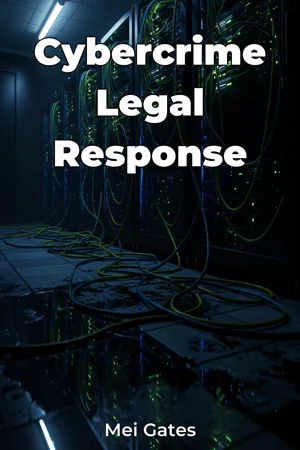
In an era where a single click can compromise personal data and cripple global infrastructure, how effectively does the law keep pace with the rapidly evolving landscape of cybercrime? "Cybercrime Legal Response" offers a comprehensive examination of the legal adaptations necessary to address the complex challenges posed by digital offenses. This book explores the critical intersection of information technology and true crime, focusing on hacking, phishing, identity theft, and unauthorized data access in the digital age. This book investigates two primary areas: first, the existing legal frameworks currently employed to combat cybercrime, and second, the necessary evolutions and adaptations needed to effectively deter and prosecute these offenses. These topics are crucial because the digital realm operates without traditional borders, enabling criminals to exploit vulnerabilities across jurisdictions. Understanding the legal mechanisms in place and their limitations is paramount for policymakers, legal professionals, and cybersecurity experts alike. Contextually, the book considers the historical development of cybercrime legislation, tracing its origins from rudimentary computer crime laws to the more sophisticated statutes attempting to address today's multifaceted threats. Socially, it acknowledges the increasing dependence on digital technology and the resulting vulnerabilities that individuals and organizations face. Scientifically, it delves into the technological aspects of cybercrime, offering readers a fundamental understanding of the tools and methods employed by cybercriminals. The central argument is that current legal responses to cybercrime are often inadequate, fragmented, and lag behind technological advancements. The book asserts that without a unified, adaptive, and internationally coordinated legal approach, the fight against cybercrime will remain a perpetual uphill battle. The book is structured to provide a clear and progressive understanding of the issues. It begins by introducing the fundamental concepts of cybercrime, outlining the various types of offenses and their impact. It then transitions into an analysis of existing legal frameworks, examining national and international laws, treaties, and conventions relevant to cybercrime. Major sections include: (1) defining and categorizing various forms of cybercrime and their technological underpinnings; (2) analyzing the effectiveness of current laws in prosecuting cybercriminals, including challenges related to jurisdiction, evidence collection, and international cooperation; and (3) proposing recommendations for legal reform, advocating for stronger international collaboration, enhanced cybersecurity measures, and updated legislation. The book culminates in a discussion of practical applications and implications of the proposed legal reforms, offering insights into how these changes can improve cybersecurity and protect individuals and organizations from cyber threats. To support its arguments, the book presents evidence drawn from case studies, legal analyses, and empirical research. It examines landmark cybercrime cases, analyzes legal precedents, and incorporates data from cybersecurity reports and surveys. Unique data sources include interviews with cybersecurity professionals, legal experts, and law enforcement officials involved in combating cybercrime. "Cybercrime Legal Response" draws connections to several interdisciplinary fields. It intersects with criminology by exploring the motivations and behaviors of cybercriminals. It connects with international relations by examining the challenges of cross-border law enforcement and the need for international treaties. Furthermore, it links to ethics by addressing the ethical considerations surrounding data privacy, surveillance, and cybersecurity. The book adopts a practical and analytical tone, presenting information in a clear, accessible manner while maintaining academic rigor. It is aimed at legal professionals, cybersecurity experts, policymakers, academics, and anyone interested in understanding the legal dimensions of cybercrime. This book offers valuable insights and practical recommendations for navigating the complex legal landscape of the digital world. While the book strives for a broad overview, it focuses primarily on legal responses within Western legal systems, acknowledging the limitations of fully exploring legal approaches in every jurisdiction globally. Ultimately, the information in this book can be applied practically by policymakers seeking to reform cybercrime laws, legal professionals defending or prosecuting cybercrime cases, and cybersecurity experts developing strategies to prevent and respond to cyber threats. The book addresses ongoing debates surrounding data privacy versus national security, the balance between law enforcement access to encrypted data and individual privacy rights, and the role of international cooperation in combating cybercrime. These controversies are explored to offer a balanced and nuanced perspective on the challenges and opportunities in the field.
In an era where a single click can compromise personal data and cripple global infrastructure, how effectively does the law keep pace with the rapidly evolving landscape of cybercrime? "Cybercrime Legal Response" offers a comprehensive examination of the legal adaptations necessary to address the complex challenges posed by digital offenses. This book explores the critical intersection of information technology and true crime, focusing on hacking, phishing, identity theft, and unauthorized data access in the digital age. This book investigates two primary areas: first, the existing legal frameworks currently employed to combat cybercrime, and second, the necessary evolutions and adaptations needed to effectively deter and prosecute these offenses. These topics are crucial because the digital realm operates without traditional borders, enabling criminals to exploit vulnerabilities across jurisdictions. Understanding the legal mechanisms in place and their limitations is paramount for policymakers, legal professionals, and cybersecurity experts alike. Contextually, the book considers the historical development of cybercrime legislation, tracing its origins from rudimentary computer crime laws to the more sophisticated statutes attempting to address today's multifaceted threats. Socially, it acknowledges the increasing dependence on digital technology and the resulting vulnerabilities that individuals and organizations face. Scientifically, it delves into the technological aspects of cybercrime, offering readers a fundamental understanding of the tools and methods employed by cybercriminals. The central argument is that current legal responses to cybercrime are often inadequate, fragmented, and lag behind technological advancements. The book asserts that without a unified, adaptive, and internationally coordinated legal approach, the fight against cybercrime will remain a perpetual uphill battle. The book is structured to provide a clear and progressive understanding of the issues. It begins by introducing the fundamental concepts of cybercrime, outlining the various types of offenses and their impact. It then transitions into an analysis of existing legal frameworks, examining national and international laws, treaties, and conventions relevant to cybercrime. Major sections include: (1) defining and categorizing various forms of cybercrime and their technological underpinnings; (2) analyzing the effectiveness of current laws in prosecuting cybercriminals, including challenges related to jurisdiction, evidence collection, and international cooperation; and (3) proposing recommendations for legal reform, advocating for stronger international collaboration, enhanced cybersecurity measures, and updated legislation. The book culminates in a discussion of practical applications and implications of the proposed legal reforms, offering insights into how these changes can improve cybersecurity and protect individuals and organizations from cyber threats. To support its arguments, the book presents evidence drawn from case studies, legal analyses, and empirical research. It examines landmark cybercrime cases, analyzes legal precedents, and incorporates data from cybersecurity reports and surveys. Unique data sources include interviews with cybersecurity professionals, legal experts, and law enforcement officials involved in combating cybercrime. "Cybercrime Legal Response" draws connections to several interdisciplinary fields. It intersects with criminology by exploring the motivations and behaviors of cybercriminals. It connects with international relations by examining the challenges of cross-border law enforcement and the need for international treaties. Furthermore, it links to ethics by addressing the ethical considerations surrounding data privacy, surveillance, and cybersecurity. The book adopts a practical and analytical tone, presenting information in a clear, accessible manner while maintaining academic rigor. It is aimed at legal professionals, cybersecurity experts, policymakers, academics, and anyone interested in understanding the legal dimensions of cybercrime. This book offers valuable insights and practical recommendations for navigating the complex legal landscape of the digital world. While the book strives for a broad overview, it focuses primarily on legal responses within Western legal systems, acknowledging the limitations of fully exploring legal approaches in every jurisdiction globally. Ultimately, the information in this book can be applied practically by policymakers seeking to reform cybercrime laws, legal professionals defending or prosecuting cybercrime cases, and cybersecurity experts developing strategies to prevent and respond to cyber threats. The book addresses ongoing debates surrounding data privacy versus national security, the balance between law enforcement access to encrypted data and individual privacy rights, and the role of international cooperation in combating cybercrime. These controversies are explored to offer a balanced and nuanced perspective on the challenges and opportunities in the field.
In an increasingly digital world, "Cybercrime Legal Response" explores the critical intersection of information technology and true crime, examining how effectively current laws address the rising tide of cybercrime, including hacking and data privacy breaches. The book highlights the often inadequate and fragmented nature of existing legal frameworks, which struggle to keep pace with rapidly evolving cyber threats. A key insight is the necessity for unified, adaptive, and internationally coordinated legal approaches to effectively combat cybercrime, given the borderless nature of digital offenses. The book delves into the historical development of cybercrime legislation and analyzes the effectiveness of current laws in prosecuting cybercriminals, addressing challenges related to jurisdiction and evidence collection. Major sections define various forms of cybercrime, analyze existing legal frameworks, and propose recommendations for legal reform. By drawing on case studies, legal analyses, and empirical research, the book provides valuable insights for policymakers, legal professionals, and cybersecurity experts, emphasizing the practical applications and implications of proposed legal reforms. The book progresses by first introducing fundamental concepts of cybercrime, then transitioning to an analysis of existing legal frameworks, and culminating in a discussion of practical applications and implications of proposed legal reforms. It aims to provide a clear and progressive understanding of the issues, advocating for stronger international collaboration and enhanced cybersecurity measures to protect individuals and organizations from cyber threats. This approach offers a comprehensive examination for those navigating the complex legal landscape of the digital world.
Book Details
ISBN
9788235230416
Publisher
Publifye AS
Your Licenses
You don't own any licenses for this book
Purchase a license below to unlock this book and download the EPUB.
Purchase License
Select a tier to unlock this book
Need bulk licensing?
Contact us for enterprise agreements.