
About This Book
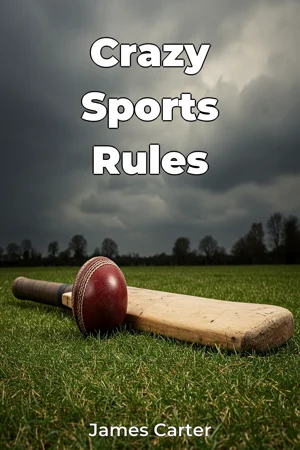
Have you ever wondered why a cricket ball pitched in a certain way is considered illegal, or why an Olympic athlete was stripped of their medal for something seemingly trivial? "Crazy Sports Rules" delves into the peculiar, often baffling, and sometimes outright absurd regulations that have shaped the world of sports. This book explores the evolution and rationale behind some of the strangest rules ever conceived, revealing the surprising histories and unintended consequences that have made them a part of the games we love. We will examine how rules intended to create fairness and ensure safety have, at times, resulted in bizarre situations and unexpected outcomes. The central argument is that sports rules, far from being static and logical, are often the product of historical accidents, social biases, and the ongoing struggle to balance tradition with innovation. Understanding these rules provides a unique lens through which to view the evolution of sports and society. The book is structured around three central themes. First, we investigate rules originating from specific historical contexts, illustrating how social norms, technological advancements, and even individual personalities have shaped the regulations that govern sports. Second, we delve into the category of rules designed to prevent cheating or gain an unfair advantage, exploring the ingenuity of athletes and the constant battle to maintain a level playing field. Finally, we examine rules that seem illogical or contradictory, analyzing how these apparent absurdities came to exist and the impact they have on the games. Supporting these arguments are extensive historical records, rulebooks from various eras, and case studies of specific instances where unusual rules have come into play. Original documents and statistical analyses are presented to provide a factual basis for our claims. This book also draws connections to fields such as sociology, exploring how societal values influence rule-making, and economics, examining the incentives and disincentives created by various regulations. Legal studies are considered through the lens of rulings and challenges to conventional practices. What sets "Crazy Sports Rules" apart is its focus on the human element behind the rules. It isn't just a dry recitation of regulations; it's a narrative about the people who created, enforced, and challenged these rules, and the impact those decisions had on the sports themselves. The writing style balances scholarly rigor with accessibility, making it engaging for both casual sports fans and serious students of sports history. The target audience is anyone interested in the history of sports, the sociology of games, or simply the quirky and unexpected ways in which rules shape our world. It also appeals to those interested in understanding how institutions evolve and adapt over time. As a work of non-fiction, "Crazy Sports Rules" avoids speculation and focuses on documented facts and evidence-based analysis. The scope is broad, covering a wide range of sports from around the world, but also acknowledges the limitations of focusing on only a select number of rules to maintain depth and clarity. The knowledge gained from this book has real-world applications. Coaches can use it to understand nuances of specific sport regulations. Commentators can use the historical and contextual background to inform their analysis. Fans can use it to deepen their appreciation of the game. More generally, it offers a framework for understanding how rules function in any complex system, from business to politics. Finally, "Crazy Sports Rules" addresses some of the ongoing debates within the sports world, such as the use of instant replay, the role of performance-enhancing drugs, and the balance between tradition and progress. By providing historical context, "Crazy Sports Rules" offers a nuanced perspective on these important issues.
Have you ever wondered why a cricket ball pitched in a certain way is considered illegal, or why an Olympic athlete was stripped of their medal for something seemingly trivial? "Crazy Sports Rules" delves into the peculiar, often baffling, and sometimes outright absurd regulations that have shaped the world of sports. This book explores the evolution and rationale behind some of the strangest rules ever conceived, revealing the surprising histories and unintended consequences that have made them a part of the games we love. We will examine how rules intended to create fairness and ensure safety have, at times, resulted in bizarre situations and unexpected outcomes. The central argument is that sports rules, far from being static and logical, are often the product of historical accidents, social biases, and the ongoing struggle to balance tradition with innovation. Understanding these rules provides a unique lens through which to view the evolution of sports and society. The book is structured around three central themes. First, we investigate rules originating from specific historical contexts, illustrating how social norms, technological advancements, and even individual personalities have shaped the regulations that govern sports. Second, we delve into the category of rules designed to prevent cheating or gain an unfair advantage, exploring the ingenuity of athletes and the constant battle to maintain a level playing field. Finally, we examine rules that seem illogical or contradictory, analyzing how these apparent absurdities came to exist and the impact they have on the games. Supporting these arguments are extensive historical records, rulebooks from various eras, and case studies of specific instances where unusual rules have come into play. Original documents and statistical analyses are presented to provide a factual basis for our claims. This book also draws connections to fields such as sociology, exploring how societal values influence rule-making, and economics, examining the incentives and disincentives created by various regulations. Legal studies are considered through the lens of rulings and challenges to conventional practices. What sets "Crazy Sports Rules" apart is its focus on the human element behind the rules. It isn't just a dry recitation of regulations; it's a narrative about the people who created, enforced, and challenged these rules, and the impact those decisions had on the sports themselves. The writing style balances scholarly rigor with accessibility, making it engaging for both casual sports fans and serious students of sports history. The target audience is anyone interested in the history of sports, the sociology of games, or simply the quirky and unexpected ways in which rules shape our world. It also appeals to those interested in understanding how institutions evolve and adapt over time. As a work of non-fiction, "Crazy Sports Rules" avoids speculation and focuses on documented facts and evidence-based analysis. The scope is broad, covering a wide range of sports from around the world, but also acknowledges the limitations of focusing on only a select number of rules to maintain depth and clarity. The knowledge gained from this book has real-world applications. Coaches can use it to understand nuances of specific sport regulations. Commentators can use the historical and contextual background to inform their analysis. Fans can use it to deepen their appreciation of the game. More generally, it offers a framework for understanding how rules function in any complex system, from business to politics. Finally, "Crazy Sports Rules" addresses some of the ongoing debates within the sports world, such as the use of instant replay, the role of performance-enhancing drugs, and the balance between tradition and progress. By providing historical context, "Crazy Sports Rules" offers a nuanced perspective on these important issues.
"Crazy Sports Rules" explores the fascinating and often bizarre regulations that have shaped the world of sports, examining how these rules, intended to ensure fairness, have sometimes led to unexpected outcomes. The book argues that sports rules are not static but rather the result of historical events, social biases, and the constant push and pull between tradition and innovation. For example, some rules originated from specific historical contexts, while others were created to prevent cheating. The book delves into the evolution of these rules, providing a unique lens through which to view the history of sports and society. It is structured around three central themes: rules originating from historical contexts, rules designed to prevent cheating, and rules that seem illogical. Readers will discover that rules intended to create fairness and ensure safety have, at times, resulted in bizarre situations and unexpected outcomes. What sets this book apart is its focus on the human element behind the regulations. It's not just a recitation of rules; it's a narrative about the people who created, enforced, and challenged these regulations, and the impact those decisions had on the sports themselves. The book progresses across chapters by investigating rules originating from specific historical contexts, exploring rules designed to prevent cheating, and examining rules that seem illogical or contradictory.
Book Details
ISBN
9788235230386
Publisher
Publifye AS
Your Licenses
You don't own any licenses for this book
Purchase a license below to unlock this book and download the EPUB.
Purchase License
Select a tier to unlock this book
Need bulk licensing?
Contact us for enterprise agreements.