
About This Book
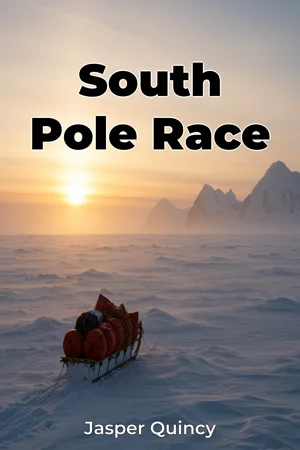
What drove early 20th-century explorers to risk everything in a race to plant their flags at the most desolate point on Earth? "South Pole Race" meticulously examines the converging expeditions of Roald Amundsen and Robert Falcon Scott, dissecting their motivations, meticulously planned routes, innovative (and sometimes disastrous) survival strategies, and ultimately, the contrasting fates that awaited them at the bottom of the world. This competition is important because it showcases human ambition, the limits of endurance, and the crucial role of preparation in the face of extreme adversity. Furthermore, it provides key insights into the history of polar exploration and the scientific understanding of Antarctica. The book provides detailed historical context, outlining the 'Heroic Age of Antarctic Exploration' and the prevailing scientific and nationalistic fervor that propelled these expeditions. Readers will gain a nuanced understanding of the geographical challenges of the Antarctic continent, the rudimentary technology available at the time, and the complex social dynamics within each expedition team. No prior specialist knowledge is required, as the book clarifies all necessary scientific and historical concepts. "South Pole Race" argues that Amundsen's meticulous planning, pragmatic approach, and reliance on proven methods of polar travel, particularly his use of sled dogs, were critical to his success, while Scott's adherence to a more traditional, man-hauling approach, coupled with logistical miscalculations and a degree of hubris, contributed significantly to his team's tragic demise. Understanding this contrast offers valuable lessons in leadership, risk assessment, and the importance of adapting to unfamiliar environments. The book's structure unfolds chronologically, beginning with an introduction to the key players and their backgrounds. It then details the planning and execution phases of both the Amundsen and Scott expeditions, comparing their routes, equipment choices, and approaches to navigating the treacherous terrain. Major sections are dedicated to analyzing the critical decisions made during each expedition, the challenges encountered, and the physiological and psychological toll on the explorers. The final sections focus on their arrival at the South Pole, the grim discovery made by Scott's team, and the aftermath of the expeditions, including the public reaction and the long-term impact on polar exploration. Evidence presented is drawn from primary sources, including the diaries and journals of Amundsen, Scott, and their team members. It incorporates meteorological data, navigational records, and analyses of the equipment and supplies used by each expedition. Secondary sources, such as biographies and scholarly articles on polar exploration, provide additional context and interpretation. Interdisciplinary connections enhance the book's argument. Firstly, it links to the field of leadership studies, analyzing the different leadership styles of Amundsen and Scott. Secondly, it relates to environmental science, examining the geographical and climatic challenges of Antarctica. Thirdly, it connects to the history of science, exploring the scientific objectives of the expeditions and their contributions to our understanding of the polar regions. "South Pole Race" offers a unique comparative analysis of the Amundsen and Scott expeditions, moving beyond simplistic narratives of heroism and tragedy to provide a nuanced understanding of the factors that contributed to their respective outcomes. The tone is factual and analytical, but also incorporates elements of narrative non-fiction to engage the reader with the human drama of the expeditions. The book is targeted towards readers interested in history, adventure, exploration, and leadership. It will appeal to those seeking a deeper understanding of the 'Heroic Age of Antarctic Exploration' and the complexities of human endeavor in extreme environments. As a work of historical non-fiction, the book adheres to standards of accuracy, objectivity, and thorough research. While focusing primarily on the Amundsen and Scott expeditions, the book acknowledges the broader context of Antarctic exploration during this period, but does not attempt to provide a comprehensive history of all expeditions to the continent. The practical applications lie in the lessons it offers on leadership, planning, and risk management, applicable to various fields beyond exploration. The book addresses ongoing discussions surrounding the legacy of Scott, acknowledging the debates about his leadership and the factors contributing to his team's failure.
What drove early 20th-century explorers to risk everything in a race to plant their flags at the most desolate point on Earth? "South Pole Race" meticulously examines the converging expeditions of Roald Amundsen and Robert Falcon Scott, dissecting their motivations, meticulously planned routes, innovative (and sometimes disastrous) survival strategies, and ultimately, the contrasting fates that awaited them at the bottom of the world. This competition is important because it showcases human ambition, the limits of endurance, and the crucial role of preparation in the face of extreme adversity. Furthermore, it provides key insights into the history of polar exploration and the scientific understanding of Antarctica. The book provides detailed historical context, outlining the 'Heroic Age of Antarctic Exploration' and the prevailing scientific and nationalistic fervor that propelled these expeditions. Readers will gain a nuanced understanding of the geographical challenges of the Antarctic continent, the rudimentary technology available at the time, and the complex social dynamics within each expedition team. No prior specialist knowledge is required, as the book clarifies all necessary scientific and historical concepts. "South Pole Race" argues that Amundsen's meticulous planning, pragmatic approach, and reliance on proven methods of polar travel, particularly his use of sled dogs, were critical to his success, while Scott's adherence to a more traditional, man-hauling approach, coupled with logistical miscalculations and a degree of hubris, contributed significantly to his team's tragic demise. Understanding this contrast offers valuable lessons in leadership, risk assessment, and the importance of adapting to unfamiliar environments. The book's structure unfolds chronologically, beginning with an introduction to the key players and their backgrounds. It then details the planning and execution phases of both the Amundsen and Scott expeditions, comparing their routes, equipment choices, and approaches to navigating the treacherous terrain. Major sections are dedicated to analyzing the critical decisions made during each expedition, the challenges encountered, and the physiological and psychological toll on the explorers. The final sections focus on their arrival at the South Pole, the grim discovery made by Scott's team, and the aftermath of the expeditions, including the public reaction and the long-term impact on polar exploration. Evidence presented is drawn from primary sources, including the diaries and journals of Amundsen, Scott, and their team members. It incorporates meteorological data, navigational records, and analyses of the equipment and supplies used by each expedition. Secondary sources, such as biographies and scholarly articles on polar exploration, provide additional context and interpretation. Interdisciplinary connections enhance the book's argument. Firstly, it links to the field of leadership studies, analyzing the different leadership styles of Amundsen and Scott. Secondly, it relates to environmental science, examining the geographical and climatic challenges of Antarctica. Thirdly, it connects to the history of science, exploring the scientific objectives of the expeditions and their contributions to our understanding of the polar regions. "South Pole Race" offers a unique comparative analysis of the Amundsen and Scott expeditions, moving beyond simplistic narratives of heroism and tragedy to provide a nuanced understanding of the factors that contributed to their respective outcomes. The tone is factual and analytical, but also incorporates elements of narrative non-fiction to engage the reader with the human drama of the expeditions. The book is targeted towards readers interested in history, adventure, exploration, and leadership. It will appeal to those seeking a deeper understanding of the 'Heroic Age of Antarctic Exploration' and the complexities of human endeavor in extreme environments. As a work of historical non-fiction, the book adheres to standards of accuracy, objectivity, and thorough research. While focusing primarily on the Amundsen and Scott expeditions, the book acknowledges the broader context of Antarctic exploration during this period, but does not attempt to provide a comprehensive history of all expeditions to the continent. The practical applications lie in the lessons it offers on leadership, planning, and risk management, applicable to various fields beyond exploration. The book addresses ongoing discussions surrounding the legacy of Scott, acknowledging the debates about his leadership and the factors contributing to his team's failure.
"South Pole Race" vividly recounts the parallel journeys of Roald Amundsen and Robert Falcon Scott as they raced to the South Pole in the early 20th century. This historical adventure meticulously examines their contrasting approaches to polar exploration, highlighting Amundsen's pragmatic use of sled dogs and meticulous planning versus Scott's more traditional methods and logistical miscalculations. The book emphasizes how this iconic competition encapsulates human ambition and the limits of endurance. The book progresses chronologically, detailing the planning stages, the treacherous routes undertaken, and the critical decisions made by each team amidst the harsh Antarctic environment. Primary sources, like explorers' journals, are woven with scientific data and historical context to dissect leadership styles and survival strategies. Readers gain insight into the "Heroic Age of Antarctic Exploration" and the geographical challenges that shaped the explorers' fates, offering valuable lessons applicable far beyond polar expeditions.
Book Details
ISBN
9788235230263
Publisher
Publifye AS
Your Licenses
You don't own any licenses for this book
Purchase a license below to unlock this book and download the EPUB.
Purchase License
Select a tier to unlock this book
Need bulk licensing?
Contact us for enterprise agreements.