
About This Book
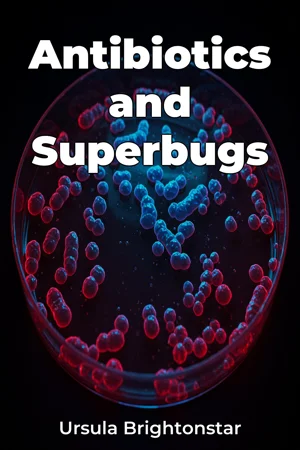
Are we on the verge of losing the war against bacteria? "Antibiotics and Superbugs" delves into the escalating crisis of antimicrobial resistance, exploring the complex mechanisms by which bacteria evolve to defeat the very drugs designed to eradicate them. This book addresses two critical topics: the biological processes driving the emergence of superbugs and the urgent need for innovative strategies to combat this growing threat. Understanding these topics is paramount, as antibiotic resistance directly impacts global health, healthcare costs, and the future of infectious disease treatment. This book provides essential historical and scientific context, tracing the history of antibiotic development from the discovery of penicillin to the present day. It details how the widespread and often inappropriate use of antibiotics in human medicine and agriculture has created selective pressures, fostering the evolution of resistant strains. Readers will benefit from a foundational understanding of bacterial genetics and evolutionary biology, which are explained in accessible terms throughout the text. The central argument is that understanding the multifaceted mechanisms of resistance development—from horizontal gene transfer to enzymatic degradation of antibiotics—is crucial for developing effective countermeasures. Furthermore, the book asserts that a multidisciplinary approach, integrating microbiology, public health, and policy interventions, is necessary to mitigate the superbug crisis. This book is structured into three major sections. The first introduces the fundamental concepts of antibiotic action and bacterial genetics. The second section explores the specific mechanisms of resistance development, detailing how bacteria evolve to evade antibiotic effects. These include enzymatic inactivation of drugs, alteration of drug targets, and the development of efflux pumps that expel antibiotics from the bacterial cell. This section also covers the role of mobile genetic elements, such as plasmids and transposons, in the rapid dissemination of resistance genes among bacterial populations. The third part of the book focuses on the implications of antibiotic resistance, examining the impact on healthcare systems, the development of novel therapeutic strategies, and the importance of stewardship programs to preserve the efficacy of existing antibiotics. The culmination of the argument emphasizes the urgent need for a global, coordinated effort to combat antibiotic resistance. The evidence presented relies on published research, including peer-reviewed scientific articles, epidemiological data, and case studies of resistant infections. The book also incorporates data from leading international organizations, such as the World Health Organization (WHO) and the Centers for Disease Control and Prevention (CDC), providing a comprehensive overview of the global burden of antibiotic resistance. "Antibiotics and Superbugs" connects to several disciplines, including pharmacology, public health, and evolutionary biology. The book’s discussion of antibiotic resistance mechanisms is rooted in pharmacological principles, whereas its analysis of the spread of resistant bacteria draws from epidemiological and public health perspectives. The book’s exploration of bacterial evolution connects it to evolutionary biology. These interdisciplinary connections enhance the book's argument by demonstrating the complexity of the problem and the need for integrated solutions. This book offers a unique perspective by integrating a detailed analysis of the molecular mechanisms of resistance with a broad overview of the social and economic factors that contribute to the problem. The approach balances scientific rigor with accessibility, aiming to inform a wide audience about the threat of antibiotic resistance. The tone is professional and academic while remaining accessible to a broad audience. The writing style emphasizes clarity and accuracy, ensuring that complex scientific concepts are explained in a manner that is easy to understand. The target audience includes students, healthcare professionals, policymakers, and anyone interested in learning more about the science and societal impact of antibiotic resistance. This book will be valuable to readers seeking a comprehensive and up-to-date understanding of the superbug crisis. As a work of non-fiction in the science and biology genres, this book emphasizes factual accuracy, evidence-based arguments, and clear explanations of complex scientific concepts. The scope of the book is broad, covering the major mechanisms of antibiotic resistance and their implications. However, it is limited to bacterial resistance and does not cover resistance in other microorganisms, such as fungi or viruses. The practical applications of the information in this book are significant. Readers will gain a better understanding of how to use antibiotics responsibly, how to support policies aimed at reducing antibiotic use, and how to advocate for research into new therapeutic strategies. "Antibiotics and Superbugs" addresses some of the ongoing debates in the field, such as the effectiveness of different antibiotic stewardship strategies and the role of agricultural practices in promoting antibiotic resistance. By presenting a balanced and evidence-based overview, the book aims to inform and stimulate discussion about these important issues.
Are we on the verge of losing the war against bacteria? "Antibiotics and Superbugs" delves into the escalating crisis of antimicrobial resistance, exploring the complex mechanisms by which bacteria evolve to defeat the very drugs designed to eradicate them. This book addresses two critical topics: the biological processes driving the emergence of superbugs and the urgent need for innovative strategies to combat this growing threat. Understanding these topics is paramount, as antibiotic resistance directly impacts global health, healthcare costs, and the future of infectious disease treatment. This book provides essential historical and scientific context, tracing the history of antibiotic development from the discovery of penicillin to the present day. It details how the widespread and often inappropriate use of antibiotics in human medicine and agriculture has created selective pressures, fostering the evolution of resistant strains. Readers will benefit from a foundational understanding of bacterial genetics and evolutionary biology, which are explained in accessible terms throughout the text. The central argument is that understanding the multifaceted mechanisms of resistance development—from horizontal gene transfer to enzymatic degradation of antibiotics—is crucial for developing effective countermeasures. Furthermore, the book asserts that a multidisciplinary approach, integrating microbiology, public health, and policy interventions, is necessary to mitigate the superbug crisis. This book is structured into three major sections. The first introduces the fundamental concepts of antibiotic action and bacterial genetics. The second section explores the specific mechanisms of resistance development, detailing how bacteria evolve to evade antibiotic effects. These include enzymatic inactivation of drugs, alteration of drug targets, and the development of efflux pumps that expel antibiotics from the bacterial cell. This section also covers the role of mobile genetic elements, such as plasmids and transposons, in the rapid dissemination of resistance genes among bacterial populations. The third part of the book focuses on the implications of antibiotic resistance, examining the impact on healthcare systems, the development of novel therapeutic strategies, and the importance of stewardship programs to preserve the efficacy of existing antibiotics. The culmination of the argument emphasizes the urgent need for a global, coordinated effort to combat antibiotic resistance. The evidence presented relies on published research, including peer-reviewed scientific articles, epidemiological data, and case studies of resistant infections. The book also incorporates data from leading international organizations, such as the World Health Organization (WHO) and the Centers for Disease Control and Prevention (CDC), providing a comprehensive overview of the global burden of antibiotic resistance. "Antibiotics and Superbugs" connects to several disciplines, including pharmacology, public health, and evolutionary biology. The book’s discussion of antibiotic resistance mechanisms is rooted in pharmacological principles, whereas its analysis of the spread of resistant bacteria draws from epidemiological and public health perspectives. The book’s exploration of bacterial evolution connects it to evolutionary biology. These interdisciplinary connections enhance the book's argument by demonstrating the complexity of the problem and the need for integrated solutions. This book offers a unique perspective by integrating a detailed analysis of the molecular mechanisms of resistance with a broad overview of the social and economic factors that contribute to the problem. The approach balances scientific rigor with accessibility, aiming to inform a wide audience about the threat of antibiotic resistance. The tone is professional and academic while remaining accessible to a broad audience. The writing style emphasizes clarity and accuracy, ensuring that complex scientific concepts are explained in a manner that is easy to understand. The target audience includes students, healthcare professionals, policymakers, and anyone interested in learning more about the science and societal impact of antibiotic resistance. This book will be valuable to readers seeking a comprehensive and up-to-date understanding of the superbug crisis. As a work of non-fiction in the science and biology genres, this book emphasizes factual accuracy, evidence-based arguments, and clear explanations of complex scientific concepts. The scope of the book is broad, covering the major mechanisms of antibiotic resistance and their implications. However, it is limited to bacterial resistance and does not cover resistance in other microorganisms, such as fungi or viruses. The practical applications of the information in this book are significant. Readers will gain a better understanding of how to use antibiotics responsibly, how to support policies aimed at reducing antibiotic use, and how to advocate for research into new therapeutic strategies. "Antibiotics and Superbugs" addresses some of the ongoing debates in the field, such as the effectiveness of different antibiotic stewardship strategies and the role of agricultural practices in promoting antibiotic resistance. By presenting a balanced and evidence-based overview, the book aims to inform and stimulate discussion about these important issues.
"Antibiotics and Superbugs" examines the growing crisis of antimicrobial resistance and the evolutionary strategies bacteria use to survive antibiotic treatments. It highlights the urgent need for innovative solutions to combat this threat, which impacts global health and healthcare costs. The book traces the history of antibiotics, from penicillin to the present, explaining how overuse has driven the evolution of superbugs. A key insight is that bacteria can transfer resistance genes horizontally, rapidly spreading drug resistance among populations. The book presents the multifaceted mechanisms of resistance, such as enzymatic degradation and efflux pumps, emphasizing that understanding these processes is crucial for developing effective countermeasures. It is structured into three sections, starting with the basics of antibiotic action and bacterial genetics, then detailing resistance mechanisms, and finally exploring the implications for healthcare and novel therapies. The approach integrates microbiology, public health, and policy, advocating for a multidisciplinary effort. This book uniquely combines a detailed analysis of the molecular mechanisms of resistance with a broad view of the social and economic factors involved. It offers a balanced, evidence-based overview suitable for a wide audience, including students, healthcare professionals, and policymakers, providing them with a comprehensive understanding of the superbug crisis and potential solutions.
Book Details
ISBN
9788235229830
Publisher
Publifye AS
Your Licenses
You don't own any licenses for this book
Purchase a license below to unlock this book and download the EPUB.
Purchase License
Select a tier to unlock this book
Need bulk licensing?
Contact us for enterprise agreements.