
About This Book
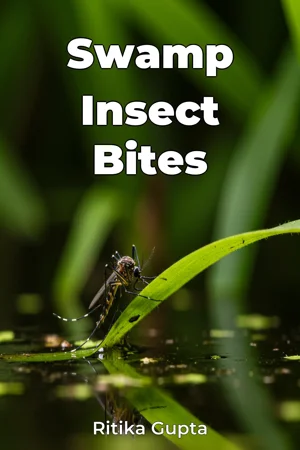
Are you aware that seemingly idyllic wetland journeys can expose you to potentially life-altering health risks? "Swamp Insect Bites" delves into the often-overlooked dangers lurking within these vital ecosystems, specifically focusing on the transmission of diseases by mosquitoes and parasites. This book aims to equip readers with the knowledge needed to understand, mitigate, and navigate these threats effectively. The core topics explored will be mosquito-borne diseases, parasitic infections common in wetland environments, and practical preventative measures. The significance of these topics lies in the increasing frequency of encounters with these environments due to ecotourism, conservation efforts, and, unfortunately, habitat encroachment. Understanding the risks is crucial for safeguarding personal health and contributing to responsible engagement with natural resources. Historically, wetlands have been both feared and valued; this book aims to replace fear with informed awareness, acknowledging that a deeper understanding of these ecosystems is essential for conservation and safe interaction. This book argues that a comprehensive understanding of the specific disease vectors and parasites present in wetland environments is critical for effective prevention and treatment. Generalized advice is often inadequate, hence the need for targeted knowledge tailored to these unique ecosystems. The book is structured to first introduce the ecological significance of wetlands and the biodiversity they support. Then, it turns to specific mosquito species prevalent in these regions and the diseases they carry, such as malaria, West Nile virus, and dengue fever. Following this, it examines common parasitic infections acquired through water or insect bites, detailing their life cycles, symptoms, and treatment options. Crucially, the book culminates in a detailed guide to preventative measures, including mosquito repellents, protective clothing, and best practices for water safety. The evidence presented draws upon a synthesis of peer-reviewed scientific literature in entomology, parasitology, and tropical medicine. Furthermore, the book incorporates data from public health organizations like the World Health Organization (WHO) and the Centers for Disease Control and Prevention (CDC), ensuring the information is both current and authoritative. The book intersects with fields such as ecology (understanding the environmental factors influencing disease transmission), public health (implementing effective preventative strategies), and tourism (promoting responsible and safe ecotourism practices). These interdisciplinary connections provide a holistic perspective on the challenges and potential solutions. "Swamp Insect Bites" offers a unique perspective by focusing specifically on disease vectors and parasites within wetland ecosystems. It moves beyond general advice to provide specific, actionable information tailored to these environments. Written in a clear and accessible style, the book avoids overly technical jargon, making it understandable to a wide audience. The target audience includes outdoor enthusiasts, conservationists, researchers working in wetland areas, and healthcare professionals who may encounter patients with these infections. This book will be valuable to them by providing practical guidance on risk assessment, prevention, and initial response strategies. As a work in the nature and infectious diseases genres, the book provides scientifically accurate information, case studies, and practical advice. It strives to balance scientific rigor with accessibility, providing a readable and informative experience. The scope of the book is limited to mosquito and parasite-borne illnesses commonly found in wetland environments worldwide. It does not cover all possible diseases or all types of wetlands, focusing instead on the most prevalent risks. The information in the book can be applied to a range of real-world scenarios, from planning a safe ecotourism trip to developing effective mosquito control programs in at-risk communities. It empowers readers to take proactive steps to protect themselves and others. While treatment protocols are mentioned, the book does not intend to replace medical advice. The controversies or debates discussed focus on the effectiveness and environmental impact of different mosquito control methods, presenting a balanced view of the scientific evidence.
Are you aware that seemingly idyllic wetland journeys can expose you to potentially life-altering health risks? "Swamp Insect Bites" delves into the often-overlooked dangers lurking within these vital ecosystems, specifically focusing on the transmission of diseases by mosquitoes and parasites. This book aims to equip readers with the knowledge needed to understand, mitigate, and navigate these threats effectively. The core topics explored will be mosquito-borne diseases, parasitic infections common in wetland environments, and practical preventative measures. The significance of these topics lies in the increasing frequency of encounters with these environments due to ecotourism, conservation efforts, and, unfortunately, habitat encroachment. Understanding the risks is crucial for safeguarding personal health and contributing to responsible engagement with natural resources. Historically, wetlands have been both feared and valued; this book aims to replace fear with informed awareness, acknowledging that a deeper understanding of these ecosystems is essential for conservation and safe interaction. This book argues that a comprehensive understanding of the specific disease vectors and parasites present in wetland environments is critical for effective prevention and treatment. Generalized advice is often inadequate, hence the need for targeted knowledge tailored to these unique ecosystems. The book is structured to first introduce the ecological significance of wetlands and the biodiversity they support. Then, it turns to specific mosquito species prevalent in these regions and the diseases they carry, such as malaria, West Nile virus, and dengue fever. Following this, it examines common parasitic infections acquired through water or insect bites, detailing their life cycles, symptoms, and treatment options. Crucially, the book culminates in a detailed guide to preventative measures, including mosquito repellents, protective clothing, and best practices for water safety. The evidence presented draws upon a synthesis of peer-reviewed scientific literature in entomology, parasitology, and tropical medicine. Furthermore, the book incorporates data from public health organizations like the World Health Organization (WHO) and the Centers for Disease Control and Prevention (CDC), ensuring the information is both current and authoritative. The book intersects with fields such as ecology (understanding the environmental factors influencing disease transmission), public health (implementing effective preventative strategies), and tourism (promoting responsible and safe ecotourism practices). These interdisciplinary connections provide a holistic perspective on the challenges and potential solutions. "Swamp Insect Bites" offers a unique perspective by focusing specifically on disease vectors and parasites within wetland ecosystems. It moves beyond general advice to provide specific, actionable information tailored to these environments. Written in a clear and accessible style, the book avoids overly technical jargon, making it understandable to a wide audience. The target audience includes outdoor enthusiasts, conservationists, researchers working in wetland areas, and healthcare professionals who may encounter patients with these infections. This book will be valuable to them by providing practical guidance on risk assessment, prevention, and initial response strategies. As a work in the nature and infectious diseases genres, the book provides scientifically accurate information, case studies, and practical advice. It strives to balance scientific rigor with accessibility, providing a readable and informative experience. The scope of the book is limited to mosquito and parasite-borne illnesses commonly found in wetland environments worldwide. It does not cover all possible diseases or all types of wetlands, focusing instead on the most prevalent risks. The information in the book can be applied to a range of real-world scenarios, from planning a safe ecotourism trip to developing effective mosquito control programs in at-risk communities. It empowers readers to take proactive steps to protect themselves and others. While treatment protocols are mentioned, the book does not intend to replace medical advice. The controversies or debates discussed focus on the effectiveness and environmental impact of different mosquito control methods, presenting a balanced view of the scientific evidence.
"Swamp Insect Bites" explores the hidden dangers within wetland environments, focusing on infectious diseases transmitted by mosquitoes and parasites. These vital ecosystems, increasingly visited for ecotourism, pose significant health risks. Did you know that wetlands, while biodiversity hotspots, are prime breeding grounds for disease vectors? The book emphasizes that understanding specific disease vectors, like certain mosquito species, is crucial; generalized advice simply isn't enough. The book progresses from the ecological importance of wetlands to specific mosquito-borne diseases such as malaria and West Nile virus, then examines common parasitic infections. It uniquely provides actionable preventative measures, including mosquito repellents and water safety practices, drawing on data from the WHO and CDC. Addressing a gap in available resources, this book arms readers with targeted knowledge for safe exploration and conservation.
Book Details
ISBN
9788235229717
Publisher
Publifye AS
Your Licenses
You don't own any licenses for this book
Purchase a license below to unlock this book and download the EPUB.
Purchase License
Select a tier to unlock this book
Need bulk licensing?
Contact us for enterprise agreements.