
About This Book
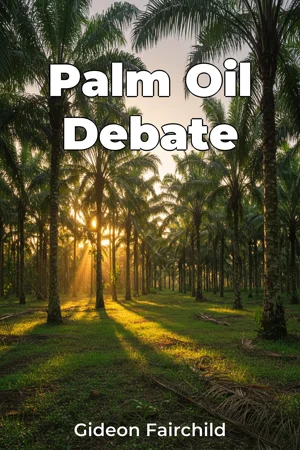
Is palm oil a blessing or a curse? This question lies at the heart of our exploration into the complex environmental and economic impacts of this globally ubiquitous commodity. "Palm Oil Debate" delves into the multifaceted issues surrounding palm oil production, moving beyond simplistic narratives to offer a nuanced understanding of its role in our world. This book examines three key topics: the environmental consequences of palm oil cultivation, the economic benefits and drawbacks for producing nations, and the ongoing efforts toward sustainable palm oil production. These topics are crucial because palm oil is both a significant driver of economic development for many countries and a major contributor to deforestation, habitat loss, and greenhouse gas emissions. Understanding these competing forces is essential for informed decision-making by consumers, policymakers, and businesses. We begin by establishing the historical context of palm oil, examining its origins in West Africa and its subsequent spread to Southeast Asia and other tropical regions. We also provide a necessary scientific background on the oil palm itself, its unique properties, and its cultivation requirements. Readers will gain insights into the social contexts of areas that cultivate Palm Oil and how the palm oil industry affects the people who live there. The central argument of "Palm Oil Debate" is that while palm oil production presents significant environmental and social challenges, a complete boycott is not necessarily the most effective or ethical solution. Instead, the focus should be on promoting sustainable practices, strengthening regulations, and fostering greater transparency throughout the supply chain. This argument is vital because it pushes beyond polarized viewpoints to offer a more constructive path forward. Its importance lies in recognizing that any solution must address both the environmental and economic realities of palm oil production. The book is structured in three parts. First, we introduce the basic concepts and history of palm oil, outlining its uses, production methods, and global market dynamics. Second, we delve into the core issues: the environmental impact, including deforestation, biodiversity loss, and carbon emissions; and the economic and social impacts, considering both the benefits for producing countries and the potential for exploitation and human rights abuses. Third, we explore potential solutions, examining various certification schemes, government policies, and corporate initiatives aimed at promoting sustainable palm oil production. We culminate by assessing the effectiveness of these measures and proposing practical steps for creating a more sustainable and equitable palm oil industry. Importantly, within our analysis, we will investigate the globalized economics of palm production and consumption, following supply chains to their sources and markets. To support our arguments, we present a wide range of evidence, including scientific studies on the environmental impacts of palm oil, economic analyses of its role in poverty reduction, and case studies of successful and unsuccessful sustainability initiatives. We will draw on data from governmental organizations, NGOs, and academic research institutions, using econometric analyses and spatial analysis to illustrate the impacts of palm oil production. "Palm Oil Debate" connects to several other fields, including environmental science, economics, and political science. The environmental science aspect helps readers understand the ecological consequences of palm oil production, while the economic analysis provides insight into the trade-offs between economic development and environmental conservation. The political science perspective is crucial for understanding the role of government policies and international agreements in regulating the palm oil industry. Our book stands out via its balanced perspective, avoiding both uncritical endorsements and outright condemnations of palm oil. We aim to present a complete picture of the industry, acknowledging its complexities and highlighting the potential for positive change. The writing style is academic yet accessible, targeting a broad audience including students, researchers, policymakers, and concerned consumers. This book appeals to anyone seeking a deeper understanding of the palm oil debate and its implications for the environment, economy, and society. As a work of non-fiction in the realms of economics and environment, "Palm Oil Debate" is committed to presenting fact-based information, supported by credible sources and rigorous analysis. The scope of the book encompasses the global palm oil industry, but it focuses primarily on the major producing regions in Southeast Asia, Africa, and Latin America. While we touch on the potential of alternative vegetable oils, a complete assessment of alternatives falls outside our scope. The information presented can be applied to practical purchasing decisions and provide useful insights for industry professionals in the palm oil sector. The book also offers possible frameworks for policymakers seeking to develop more informed regulations. Finally, "Palm Oil Debate" tackles many ongoing controversies, including the effectiveness of certification schemes, the role of consumer demand in driving deforestation, and the ethical responsibilities of multinational corporations. By addressing these debates head-on, we hope to facilitate more productive discussions and contribute to finding solutions that address both the environmental and economic challenges of palm oil production.
Is palm oil a blessing or a curse? This question lies at the heart of our exploration into the complex environmental and economic impacts of this globally ubiquitous commodity. "Palm Oil Debate" delves into the multifaceted issues surrounding palm oil production, moving beyond simplistic narratives to offer a nuanced understanding of its role in our world. This book examines three key topics: the environmental consequences of palm oil cultivation, the economic benefits and drawbacks for producing nations, and the ongoing efforts toward sustainable palm oil production. These topics are crucial because palm oil is both a significant driver of economic development for many countries and a major contributor to deforestation, habitat loss, and greenhouse gas emissions. Understanding these competing forces is essential for informed decision-making by consumers, policymakers, and businesses. We begin by establishing the historical context of palm oil, examining its origins in West Africa and its subsequent spread to Southeast Asia and other tropical regions. We also provide a necessary scientific background on the oil palm itself, its unique properties, and its cultivation requirements. Readers will gain insights into the social contexts of areas that cultivate Palm Oil and how the palm oil industry affects the people who live there. The central argument of "Palm Oil Debate" is that while palm oil production presents significant environmental and social challenges, a complete boycott is not necessarily the most effective or ethical solution. Instead, the focus should be on promoting sustainable practices, strengthening regulations, and fostering greater transparency throughout the supply chain. This argument is vital because it pushes beyond polarized viewpoints to offer a more constructive path forward. Its importance lies in recognizing that any solution must address both the environmental and economic realities of palm oil production. The book is structured in three parts. First, we introduce the basic concepts and history of palm oil, outlining its uses, production methods, and global market dynamics. Second, we delve into the core issues: the environmental impact, including deforestation, biodiversity loss, and carbon emissions; and the economic and social impacts, considering both the benefits for producing countries and the potential for exploitation and human rights abuses. Third, we explore potential solutions, examining various certification schemes, government policies, and corporate initiatives aimed at promoting sustainable palm oil production. We culminate by assessing the effectiveness of these measures and proposing practical steps for creating a more sustainable and equitable palm oil industry. Importantly, within our analysis, we will investigate the globalized economics of palm production and consumption, following supply chains to their sources and markets. To support our arguments, we present a wide range of evidence, including scientific studies on the environmental impacts of palm oil, economic analyses of its role in poverty reduction, and case studies of successful and unsuccessful sustainability initiatives. We will draw on data from governmental organizations, NGOs, and academic research institutions, using econometric analyses and spatial analysis to illustrate the impacts of palm oil production. "Palm Oil Debate" connects to several other fields, including environmental science, economics, and political science. The environmental science aspect helps readers understand the ecological consequences of palm oil production, while the economic analysis provides insight into the trade-offs between economic development and environmental conservation. The political science perspective is crucial for understanding the role of government policies and international agreements in regulating the palm oil industry. Our book stands out via its balanced perspective, avoiding both uncritical endorsements and outright condemnations of palm oil. We aim to present a complete picture of the industry, acknowledging its complexities and highlighting the potential for positive change. The writing style is academic yet accessible, targeting a broad audience including students, researchers, policymakers, and concerned consumers. This book appeals to anyone seeking a deeper understanding of the palm oil debate and its implications for the environment, economy, and society. As a work of non-fiction in the realms of economics and environment, "Palm Oil Debate" is committed to presenting fact-based information, supported by credible sources and rigorous analysis. The scope of the book encompasses the global palm oil industry, but it focuses primarily on the major producing regions in Southeast Asia, Africa, and Latin America. While we touch on the potential of alternative vegetable oils, a complete assessment of alternatives falls outside our scope. The information presented can be applied to practical purchasing decisions and provide useful insights for industry professionals in the palm oil sector. The book also offers possible frameworks for policymakers seeking to develop more informed regulations. Finally, "Palm Oil Debate" tackles many ongoing controversies, including the effectiveness of certification schemes, the role of consumer demand in driving deforestation, and the ethical responsibilities of multinational corporations. By addressing these debates head-on, we hope to facilitate more productive discussions and contribute to finding solutions that address both the environmental and economic challenges of palm oil production.
"Palm Oil Debate" offers a nuanced exploration of the complex environmental and economic impacts of palm oil, a globally ubiquitous commodity. It moves beyond simplistic narratives to examine the environmental consequences, economic benefits, and sustainability efforts associated with its production. While palm oil is a significant economic driver for many nations, its cultivation also contributes to deforestation, habitat loss, and greenhouse gas emissions. The book uniquely argues that a complete boycott isn't the most effective solution; instead, it champions sustainable practices and supply chain transparency. The book progresses systematically, starting with the history and basic concepts of palm oil, then delving into the core issues such as environmental impact and socio-economic factors. It also explores potential solutions like certification schemes and government policies. Readers will gain insights into the globalized economics of palm production and consumption, following supply chains from their sources to markets, while also investigating the social contexts of areas that cultivate Palm Oil and how the palm oil industry affects the people who live there.
Book Details
ISBN
9788235229571
Publisher
Publifye AS
Your Licenses
You don't own any licenses for this book
Purchase a license below to unlock this book and download the EPUB.
Purchase License
Select a tier to unlock this book
Need bulk licensing?
Contact us for enterprise agreements.