
About This Book
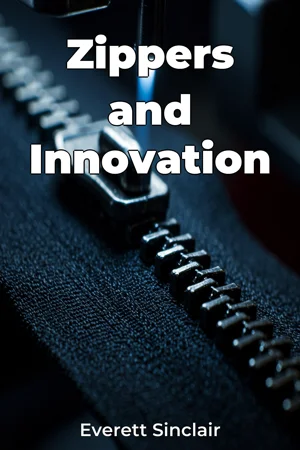
Have you ever considered the intricate engineering and cultural impact of the simple zipper? "Zippers and Innovation" delves into the fascinating world of this ubiquitous fastener, examining its mechanics, its evolution, and its pervasive influence across both the fashion industry and broader industrial applications. This book explores the zipper not merely as a functional object, but as a symbol of ingenuity and a driver of design progress. We will investigate two core themes: firstly, the biomechanics principles that dictate zipper design and functionality, from the precision of interlocking teeth to the selection of durable materials. Secondly, the cultural and economic impact of the zipper, analyzing how it has shaped garment construction, revolutionized manufacturing processes, and influenced aesthetic trends. These topics are important because they reveal the interconnectedness of engineering, design, and culture, demonstrating how a seemingly simple invention can have profound and lasting effects. The book provides historical context, tracing the zipper's origins from early prototypes to its widespread adoption in the 20th century. We examine Whitcomb Judson's initial attempts and Gideon Sundback's refinements, placing their work within the technological landscape of the time. A basic understanding of mechanical engineering principles will enhance the reader's appreciation of the zipper's design. The central argument of "Zippers and Innovation" is that the zipper’s enduring success lies in its elegant simplicity and adaptability. It embodies a design philosophy that prioritizes function, efficiency, and ease of use. This argument is crucial because it challenges the tendency to overlook the significance of everyday objects, highlighting their potential for innovation and their role in shaping our material culture. The book is structured as a progressive exploration of the zipper's world. It begins by introducing the fundamental mechanics and materials science involved in zipper design, and then moves into a detailed analysis of its manufacturing processes. We will explore the various types of zippers available, from coil zippers to metal zippers, and the specific advantages and disadvantages of each. The culmination of the argument lies in demonstrating the zipper's ongoing relevance in a rapidly changing world, adaptable from clothing to aerospace applications. This book draws upon a wide range of sources, including patents, historical archives, engineering reports, and design publications. We analyze case studies of how zippers have been implemented in various industries, and utilize material testing data to evaluate the performance of different zipper designs. "Zippers and Innovation" connects to other fields like materials science, engineering design, manufacturing technology, and cultural studies. By bringing these perspectives together, the book provides a holistic understanding of the zipper's significance. A unique aspect of this book is its focus on sustainability. It explores the environmental impact of zipper production and examines innovative approaches to creating more eco-friendly zippers using recycled materials and alternative manufacturing processes. The book is written in a clear and accessible style, suitable for designers, engineers, students, and anyone with an interest in the history and mechanics of everyday objects. The target audience is broad, ranging from design professionals seeking inspiration to students of engineering or fashion, and even general readers curious about the hidden stories behind familiar objects. It offers valuable insights for those interested in product design, manufacturing, and the history of technology. As a design and technology book, it provides detailed technical explanations alongside engaging historical anecdotes. It adheres to the genre's emphasis on factual accuracy, clear illustrations, and practical applications. While the book covers a wide range of topics related to zippers, it does not delve into the specific legal aspects of patent law or delve into extreme niche applications. The information in the book can be applied to a wide range of practical situations, from selecting the right zipper for a particular garment to designing more durable and sustainable zippers for future applications. While the zipper may seem like a solved technology, debates continue regarding the use of specific materials, the optimization of manufacturing processes, and the ethical considerations related to labor practices in the zipper industry. This book aims to provide a nuanced perspective on these complex issues.
Have you ever considered the intricate engineering and cultural impact of the simple zipper? "Zippers and Innovation" delves into the fascinating world of this ubiquitous fastener, examining its mechanics, its evolution, and its pervasive influence across both the fashion industry and broader industrial applications. This book explores the zipper not merely as a functional object, but as a symbol of ingenuity and a driver of design progress. We will investigate two core themes: firstly, the biomechanics principles that dictate zipper design and functionality, from the precision of interlocking teeth to the selection of durable materials. Secondly, the cultural and economic impact of the zipper, analyzing how it has shaped garment construction, revolutionized manufacturing processes, and influenced aesthetic trends. These topics are important because they reveal the interconnectedness of engineering, design, and culture, demonstrating how a seemingly simple invention can have profound and lasting effects. The book provides historical context, tracing the zipper's origins from early prototypes to its widespread adoption in the 20th century. We examine Whitcomb Judson's initial attempts and Gideon Sundback's refinements, placing their work within the technological landscape of the time. A basic understanding of mechanical engineering principles will enhance the reader's appreciation of the zipper's design. The central argument of "Zippers and Innovation" is that the zipper’s enduring success lies in its elegant simplicity and adaptability. It embodies a design philosophy that prioritizes function, efficiency, and ease of use. This argument is crucial because it challenges the tendency to overlook the significance of everyday objects, highlighting their potential for innovation and their role in shaping our material culture. The book is structured as a progressive exploration of the zipper's world. It begins by introducing the fundamental mechanics and materials science involved in zipper design, and then moves into a detailed analysis of its manufacturing processes. We will explore the various types of zippers available, from coil zippers to metal zippers, and the specific advantages and disadvantages of each. The culmination of the argument lies in demonstrating the zipper's ongoing relevance in a rapidly changing world, adaptable from clothing to aerospace applications. This book draws upon a wide range of sources, including patents, historical archives, engineering reports, and design publications. We analyze case studies of how zippers have been implemented in various industries, and utilize material testing data to evaluate the performance of different zipper designs. "Zippers and Innovation" connects to other fields like materials science, engineering design, manufacturing technology, and cultural studies. By bringing these perspectives together, the book provides a holistic understanding of the zipper's significance. A unique aspect of this book is its focus on sustainability. It explores the environmental impact of zipper production and examines innovative approaches to creating more eco-friendly zippers using recycled materials and alternative manufacturing processes. The book is written in a clear and accessible style, suitable for designers, engineers, students, and anyone with an interest in the history and mechanics of everyday objects. The target audience is broad, ranging from design professionals seeking inspiration to students of engineering or fashion, and even general readers curious about the hidden stories behind familiar objects. It offers valuable insights for those interested in product design, manufacturing, and the history of technology. As a design and technology book, it provides detailed technical explanations alongside engaging historical anecdotes. It adheres to the genre's emphasis on factual accuracy, clear illustrations, and practical applications. While the book covers a wide range of topics related to zippers, it does not delve into the specific legal aspects of patent law or delve into extreme niche applications. The information in the book can be applied to a wide range of practical situations, from selecting the right zipper for a particular garment to designing more durable and sustainable zippers for future applications. While the zipper may seem like a solved technology, debates continue regarding the use of specific materials, the optimization of manufacturing processes, and the ethical considerations related to labor practices in the zipper industry. This book aims to provide a nuanced perspective on these complex issues.
"Zippers and Innovation" explores the deceptively complex world of zippers, revealing how this ubiquitous fastener has shaped fashion, technology, and culture. Delving into the mechanics and materials science behind zipper design, the book highlights how the precision of interlocking teeth and material selection contribute to its functionality. Readers will discover how the zipper revolutionized garment construction and manufacturing, influencing aesthetic trends and impacting the economy. Tracing the zipper's evolution from early prototypes by Whitcomb Judson to Gideon Sundback's refinements, the book presents historical context alongside engineering principles. It emphasizes the zipper's enduring success as a testament to elegant simplicity and adaptability, challenging readers to appreciate the innovation hidden within everyday objects. By examining various zipper types, from coil to metal, the book demonstrates their specific advantages and ongoing relevance across diverse applications, even exploring sustainable manufacturing processes. The book progresses from fundamental mechanics to manufacturing analysis, culminating in a discussion of the zipper's continued importance in a rapidly changing world. Drawing upon patents, historical archives, and material testing data, "Zippers and Innovation" offers a holistic understanding of the zipper's significance, making it valuable for designers, engineers, and anyone curious about product design and the history of technology.
Book Details
ISBN
9788235229564
Publisher
Publifye AS
Your Licenses
You don't own any licenses for this book
Purchase a license below to unlock this book and download the EPUB.
Purchase License
Select a tier to unlock this book
Need bulk licensing?
Contact us for enterprise agreements.