
About This Book
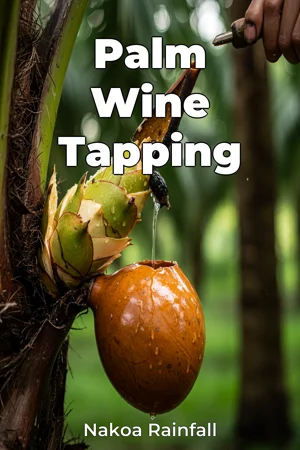
What if a single beverage could unlock a deeper understanding of cultural heritage? "Palm Wine Tapping" explores the multifaceted world of palm wine, an alcoholic beverage derived from various palm tree species, and its profound cultural significance, particularly within the context of family gatherings across diverse communities. This book delves into the history, production, and social role of palm wine, revealing its importance beyond a simple drink. This book is significant because it bridges the gap between understanding a traditional practice and its cultural implications. Palm wine is more than just a beverage; it represents a connection to ancestral traditions, a symbol of hospitality, and a central element in communal celebrations. Understanding its production and consumption patterns offers insights into social structures, economic activities, and historical processes that have shaped communities for generations. The book provides historical context demonstrating traditional methods of palm wine tapping and analyzing the evolution of these practices over time, influenced by trade, urbanization, and technological advancements. It also explores the social context, examining palm wine's role in rituals, ceremonies, and everyday social interactions and looks at the significance of palm wine in strengthening family bonds and community cohesion, particularly during celebrations, festivals, and important life events. The central argument is that palm wine serves as a potent cultural marker, reflecting and reinforcing social identities, economic relationships, and historical continuities within communities. By examining the production and consumption of palm wine, we can gain a deeper appreciation for the complexities of cultural heritage and its enduring relevance in the modern world. This book begins by introducing the basics of palm wine, including its botanical origins, the different tapping techniques used to extract the sap, and the natural fermentation process that transforms it into the final product. It then develops this understanding through an examination of: 1) The historical roots of palm wine production and its role in pre-colonial economies, 2) The social dynamics surrounding palm wine consumption, including its use in rituals, ceremonies, and hospitality practices, and 3) The challenges and opportunities facing palm wine producers in a rapidly changing world, including issues of sustainability, commercialization, and cultural preservation. The argument culminates by highlighting the practical implications of understanding palm wine's cultural significance for promoting cultural tourism, supporting local economies, and fostering intercultural dialogue. This book draws upon a diverse range of evidence, including ethnographic studies, historical accounts, oral histories, and socioeconomic surveys. Unique data sources include interviews with palm wine tappers, local brewers, and community elders, providing firsthand insights into the traditions and practices surrounding palm wine production and consumption. "Palm Wine Tapping" connects to other fields of study, such as anthropology, economics, and environmental studies. Anthropological perspectives can illuminate the cultural meanings and social functions of palm wine. Economic analysis can shed light on the economic activities surrounding palm wine production and trade. Environmental studies can address the sustainability issues related to palm tree cultivation and resource management. This book offers a distinctive perspective by combining historical analysis with ethnographic fieldwork to reveal the dynamic interplay between tradition and change in the palm wine industry. It challenges conventional assumptions about alcoholic beverages by demonstrating their potential as cultural artifacts and vehicles for social expression. Written in an accessible and engaging style, "Palm Wine Tapping" aims to appeal to a broad audience, including students, researchers, policymakers, and anyone interested in learning more about cultural heritage, food traditions, and sustainable development. It is valuable to those seeking a nuanced understanding of social science and anthropological perspectives. Grounded in the conventions of social science and historical research, it provides a rigorous yet insightful exploration of a topic that is often overlooked in mainstream academic discourse. The scope of the book encompasses palm wine traditions across diverse regions, while acknowledging the unique cultural contexts and historical trajectories of each area. The real-world applications of the information in this book include promoting sustainable tourism initiatives that showcase local food traditions, supporting community-based enterprises that produce and market palm wine, and developing educational programs that raise awareness about the cultural significance of palm wine Finally, the book acknowledges that debates exist regarding the sustainability of palm wine tapping, particularly in relation to deforestation and the overexploitation of palm trees. It addresses these controversies by presenting evidence-based assessments of the environmental impacts of palm wine production and exploring alternative management strategies that promote ecological sustainability.
What if a single beverage could unlock a deeper understanding of cultural heritage? "Palm Wine Tapping" explores the multifaceted world of palm wine, an alcoholic beverage derived from various palm tree species, and its profound cultural significance, particularly within the context of family gatherings across diverse communities. This book delves into the history, production, and social role of palm wine, revealing its importance beyond a simple drink. This book is significant because it bridges the gap between understanding a traditional practice and its cultural implications. Palm wine is more than just a beverage; it represents a connection to ancestral traditions, a symbol of hospitality, and a central element in communal celebrations. Understanding its production and consumption patterns offers insights into social structures, economic activities, and historical processes that have shaped communities for generations. The book provides historical context demonstrating traditional methods of palm wine tapping and analyzing the evolution of these practices over time, influenced by trade, urbanization, and technological advancements. It also explores the social context, examining palm wine's role in rituals, ceremonies, and everyday social interactions and looks at the significance of palm wine in strengthening family bonds and community cohesion, particularly during celebrations, festivals, and important life events. The central argument is that palm wine serves as a potent cultural marker, reflecting and reinforcing social identities, economic relationships, and historical continuities within communities. By examining the production and consumption of palm wine, we can gain a deeper appreciation for the complexities of cultural heritage and its enduring relevance in the modern world. This book begins by introducing the basics of palm wine, including its botanical origins, the different tapping techniques used to extract the sap, and the natural fermentation process that transforms it into the final product. It then develops this understanding through an examination of: 1) The historical roots of palm wine production and its role in pre-colonial economies, 2) The social dynamics surrounding palm wine consumption, including its use in rituals, ceremonies, and hospitality practices, and 3) The challenges and opportunities facing palm wine producers in a rapidly changing world, including issues of sustainability, commercialization, and cultural preservation. The argument culminates by highlighting the practical implications of understanding palm wine's cultural significance for promoting cultural tourism, supporting local economies, and fostering intercultural dialogue. This book draws upon a diverse range of evidence, including ethnographic studies, historical accounts, oral histories, and socioeconomic surveys. Unique data sources include interviews with palm wine tappers, local brewers, and community elders, providing firsthand insights into the traditions and practices surrounding palm wine production and consumption. "Palm Wine Tapping" connects to other fields of study, such as anthropology, economics, and environmental studies. Anthropological perspectives can illuminate the cultural meanings and social functions of palm wine. Economic analysis can shed light on the economic activities surrounding palm wine production and trade. Environmental studies can address the sustainability issues related to palm tree cultivation and resource management. This book offers a distinctive perspective by combining historical analysis with ethnographic fieldwork to reveal the dynamic interplay between tradition and change in the palm wine industry. It challenges conventional assumptions about alcoholic beverages by demonstrating their potential as cultural artifacts and vehicles for social expression. Written in an accessible and engaging style, "Palm Wine Tapping" aims to appeal to a broad audience, including students, researchers, policymakers, and anyone interested in learning more about cultural heritage, food traditions, and sustainable development. It is valuable to those seeking a nuanced understanding of social science and anthropological perspectives. Grounded in the conventions of social science and historical research, it provides a rigorous yet insightful exploration of a topic that is often overlooked in mainstream academic discourse. The scope of the book encompasses palm wine traditions across diverse regions, while acknowledging the unique cultural contexts and historical trajectories of each area. The real-world applications of the information in this book include promoting sustainable tourism initiatives that showcase local food traditions, supporting community-based enterprises that produce and market palm wine, and developing educational programs that raise awareness about the cultural significance of palm wine Finally, the book acknowledges that debates exist regarding the sustainability of palm wine tapping, particularly in relation to deforestation and the overexploitation of palm trees. It addresses these controversies by presenting evidence-based assessments of the environmental impacts of palm wine production and exploring alternative management strategies that promote ecological sustainability.
"Palm Wine Tapping" unveils the rich cultural heritage embedded within a seemingly simple alcoholic beverage. This social science and history exploration delves into palm wine, derived from various palm tree species, and its profound role in social interactions, family gatherings, and community traditions. The book highlights how understanding palm wine production and consumption provides insights into social structures, economic activities, and historical processes. Did you know palm wine isn't just a drink; it's a symbol of hospitality and a connection to ancestral traditions? The book explores the historical roots of palm wine, examining its significance in pre-colonial economies and its evolution influenced by trade and technology. It also analyzes the social dynamics surrounding its consumption, including its use in rituals, ceremonies, and everyday life. The book progresses by first introducing the basics of palm wine, then looking at its historical role, social dynamics, and future challenges. This interdisciplinary approach, drawing on anthropology, economics, and environmental studies, makes the book a valuable resource for those interested in cultural heritage and sustainable development.
Book Details
ISBN
9788235229472
Publisher
Publifye AS
Your Licenses
You don't own any licenses for this book
Purchase a license below to unlock this book and download the EPUB.
Purchase License
Select a tier to unlock this book
Need bulk licensing?
Contact us for enterprise agreements.