
About This Book
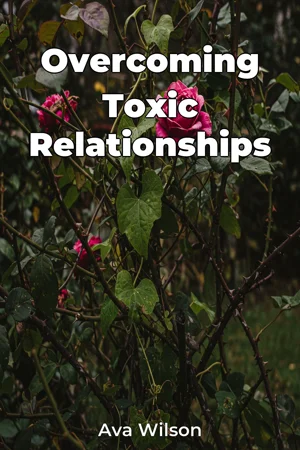
Are you repeatedly finding yourself in relationships that leave you feeling drained, undervalued, or even abused? "Overcoming Toxic Relationships" offers a comprehensive guide to understanding, escaping, and preventing harmful relationship cycles. This book delves into the intricacies of toxic dynamics, providing readers with the tools and knowledge to build healthier and more fulfilling connections. This book addresses three key areas: identifying toxic behaviors, understanding the underlying psychology of toxic relationships, and implementing effective strategies for change. Recognizing toxic behaviors—ranging from subtle manipulation to overt abuse—is the first crucial step. Equally important is understanding why these relationships form and persist, often rooted in attachment styles, unmet needs, and learned patterns of interaction. Finally, the book provides actionable steps for breaking free from these cycles, setting healthy boundaries, and cultivating self-respect. Drawing upon established research in attachment theory, cognitive behavioral therapy (CBT), and interpersonal communication, "Overcoming Toxic Relationships" offers a science-backed approach. It argues that understanding the dynamics of power and control, coupled with practical strategies for self-empowerment, is essential for escaping and avoiding toxic relationships. The book explores how societal norms and gender roles can contribute to unequal power dynamics within relationships, further perpetuating toxic behaviors. It uses case studies and real-world examples to illustrate key concepts and demonstrate the impact of toxic relationships on individuals and families. The book is structured to guide readers through a process of self-discovery and empowerment. It begins by defining toxic relationship patterns and identifying common red flags. It then explores the psychological factors that contribute to both perpetrating and tolerating toxic behaviors, including low self-esteem, codependency, and fear of abandonment. Subsequent sections delve into practical strategies for establishing healthy boundaries, improving communication skills, and developing a strong sense of self-worth. The culmination of the book offers guidance on rebuilding trust, fostering healthy relationships, and preventing future involvement in toxic cycles. The arguments presented are supported by a blend of psychological research, clinical observations, and anecdotal evidence. It incorporates findings from studies on personality disorders, attachment styles, and the impact of trauma on relationship patterns. The book also connects to fields like sociology, examining how societal expectations and cultural norms can influence relationship dynamics, and to communication studies, analyzing effective and ineffective communication patterns in relationships. A unique aspect of this book is its emphasis on self-compassion and forgiveness. Recognizing that individuals in toxic relationships often blame themselves, the book promotes a compassionate approach to healing and growth. It also provides guidance on when and how to seek professional help, such as therapy or counseling. The book is written in a clear, accessible style, avoiding jargon and providing practical exercises to help readers apply the concepts to their own lives. "Overcoming Toxic Relationships" is intended for anyone who has experienced or fears experiencing a toxic relationship, whether romantic, familial, or professional. It is particularly valuable for individuals seeking to understand their patterns in relationships, build self-esteem, and create healthier, more fulfilling connections. The scope of the book is intentionally focused on providing practical guidance and support for individuals seeking to overcome toxic relationships. While it acknowledges the complexities of mental health conditions that may contribute to toxic behaviors, it does not provide in-depth clinical analyses of these conditions. Many of the concepts discussed are applicable in different types of relationships, where the focus remains on the practical tools and techniques that empower readers to take control of their relationships and well-being. Although controversies exist in the field of psychology regarding the definitions of certain personality traits and their impact on relationships, this book prioritizes evidence-based strategies and focuses on actionable steps that individuals can take to improve their relationship dynamics.
Are you repeatedly finding yourself in relationships that leave you feeling drained, undervalued, or even abused? "Overcoming Toxic Relationships" offers a comprehensive guide to understanding, escaping, and preventing harmful relationship cycles. This book delves into the intricacies of toxic dynamics, providing readers with the tools and knowledge to build healthier and more fulfilling connections. This book addresses three key areas: identifying toxic behaviors, understanding the underlying psychology of toxic relationships, and implementing effective strategies for change. Recognizing toxic behaviors—ranging from subtle manipulation to overt abuse—is the first crucial step. Equally important is understanding why these relationships form and persist, often rooted in attachment styles, unmet needs, and learned patterns of interaction. Finally, the book provides actionable steps for breaking free from these cycles, setting healthy boundaries, and cultivating self-respect. Drawing upon established research in attachment theory, cognitive behavioral therapy (CBT), and interpersonal communication, "Overcoming Toxic Relationships" offers a science-backed approach. It argues that understanding the dynamics of power and control, coupled with practical strategies for self-empowerment, is essential for escaping and avoiding toxic relationships. The book explores how societal norms and gender roles can contribute to unequal power dynamics within relationships, further perpetuating toxic behaviors. It uses case studies and real-world examples to illustrate key concepts and demonstrate the impact of toxic relationships on individuals and families. The book is structured to guide readers through a process of self-discovery and empowerment. It begins by defining toxic relationship patterns and identifying common red flags. It then explores the psychological factors that contribute to both perpetrating and tolerating toxic behaviors, including low self-esteem, codependency, and fear of abandonment. Subsequent sections delve into practical strategies for establishing healthy boundaries, improving communication skills, and developing a strong sense of self-worth. The culmination of the book offers guidance on rebuilding trust, fostering healthy relationships, and preventing future involvement in toxic cycles. The arguments presented are supported by a blend of psychological research, clinical observations, and anecdotal evidence. It incorporates findings from studies on personality disorders, attachment styles, and the impact of trauma on relationship patterns. The book also connects to fields like sociology, examining how societal expectations and cultural norms can influence relationship dynamics, and to communication studies, analyzing effective and ineffective communication patterns in relationships. A unique aspect of this book is its emphasis on self-compassion and forgiveness. Recognizing that individuals in toxic relationships often blame themselves, the book promotes a compassionate approach to healing and growth. It also provides guidance on when and how to seek professional help, such as therapy or counseling. The book is written in a clear, accessible style, avoiding jargon and providing practical exercises to help readers apply the concepts to their own lives. "Overcoming Toxic Relationships" is intended for anyone who has experienced or fears experiencing a toxic relationship, whether romantic, familial, or professional. It is particularly valuable for individuals seeking to understand their patterns in relationships, build self-esteem, and create healthier, more fulfilling connections. The scope of the book is intentionally focused on providing practical guidance and support for individuals seeking to overcome toxic relationships. While it acknowledges the complexities of mental health conditions that may contribute to toxic behaviors, it does not provide in-depth clinical analyses of these conditions. Many of the concepts discussed are applicable in different types of relationships, where the focus remains on the practical tools and techniques that empower readers to take control of their relationships and well-being. Although controversies exist in the field of psychology regarding the definitions of certain personality traits and their impact on relationships, this book prioritizes evidence-based strategies and focuses on actionable steps that individuals can take to improve their relationship dynamics.
"Overcoming Toxic Relationships" provides a roadmap for anyone caught in destructive relationship patterns, offering insights into toxic behavior, relationship advice, and strategies for building healthier connections. The book uniquely emphasizes self-compassion and forgiveness, crucial elements often overlooked when addressing such challenging dynamics. It illuminates how low self-esteem and fear of abandonment can perpetuate these cycles, while also highlighting the importance of establishing healthy boundaries. This book explores the psychology of toxic relationships, drawing from attachment theory and cognitive behavioral therapy (CBT) to explain why these patterns emerge and persist. It uses real-world examples to illustrate how societal norms and communication skills can contribute to unequal power dynamics. Chapters progress from identifying toxic behaviors and understanding their roots to providing actionable steps for breaking free, improving communication, and fostering self-worth. Ultimately, "Overcoming Toxic Relationships" aims to empower readers to recognize and escape harmful relationship patterns. It emphasizes the importance of understanding both the dynamics of power and control and the need for self-empowerment. Unlike other self-help guides, this book focuses on evidence-based strategies, providing practical guidance for rebuilding trust and preventing future involvement in toxic cycles, whether in family relationships, romantic partnerships, or professional settings.
Book Details
ISBN
9788235229328
Publisher
Publifye AS
Your Licenses
You don't own any licenses for this book
Purchase a license below to unlock this book and download the EPUB.
Purchase License
Select a tier to unlock this book
Need bulk licensing?
Contact us for enterprise agreements.