
About This Book
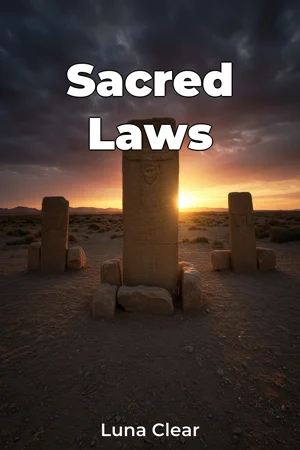
How have codified rules, originating from perceived divine mandates, shaped the very fabric of human societies, dictating not just ritual but governance, ethics, and law? "Sacred Laws" undertakes a comprehensive exploration of the profound influence of divine laws, moral codes, and religious doctrines on the development and trajectory of human civilization. This book delves into the multifaceted ways in which these sacred principles have served both as cornerstones of societal order and catalysts for conflict and transformation. This study is crucial because understanding the historical and ongoing impact of religious law is essential for navigating contemporary global challenges. These challenges arise from the intersection of faith, politics, and individual rights. Without examining the historical roots and varied interpretations of these sacred legal systems, modern dialogues on justice, ethics, and international relations remain incomplete. "Sacred Laws" contextualizes its analysis within a broad historical framework, examining the emergence of codified religious laws from ancient Mesopotamia and Egypt, through the Abrahamic traditions, to Eastern philosophies and beyond. Prerequisite knowledge includes a basic understanding of world history and major religious concepts. The central argument posited by "Sacred Laws" is that while divine laws often aimed to provide a stable moral and legal foundation for societies, their interpretation and application have been consistently subject to human agency, leading to both positive social cohesion and instances of oppression and injustice. This nuanced perspective challenges simplistic notions of divinely ordained perfection and highlights the complex interplay between religious ideals and human realities. The book unfolds in three major sections. Initially, it introduces the concept of divine law as a universal phenomenon, exploring its manifestations across diverse cultures and time periods. This section establishes a foundational understanding of the various forms these laws take, from the Ten Commandments to Sharia law to the Hindu Dharmaśāstras. The second section investigates the social and political impact of these laws, scrutinizing their role in shaping governance, family structures, economic systems, and international relations. Case studies will include the role of religious law in the formation of early states, the influence of canon law on European legal systems, and the impact of religious legal frameworks on contemporary political movements. The third section analyzes the ethical and moral implications of sacred laws. It examines how these codes define concepts of justice, morality, and human rights, considering both their contributions to ethical frameworks and their potential limitations or contradictions. The book culminates by offering a framework for critically evaluating the role of divine laws in the modern world, emphasizing the need for ongoing dialogue and reinterpretation in light of evolving societal values and challenges. The arguments presented within these sections are supported by rigorous historical analysis, comparative legal studies, and theological scholarship. Primary source materials, including ancient legal texts, religious scriptures, and historical documents, are examined alongside contemporary analyses from leading scholars in law, religion, and history. "Sacred Laws" connects to several other fields of study, including political science, sociology, and anthropology. Political science benefits from the book's analysis of the role of religious law in shaping political systems and conflicts. Sociology is enhanced by the exploration of how divine laws influence social structures and norms. Anthropology gains insight from the comparative study of religious legal systems across different cultures. This book offers a distinctive perspective by focusing on the comparative analysis of divine laws across diverse cultures and time periods, rather than focusing on a single religious tradition. This comprehensive approach allows for a deeper understanding of the common threads and unique variations in the ways that human societies have sought to derive legal and moral guidance from perceived divine sources. The tone of "Sacred Laws" is academic yet accessible, designed to engage both scholars and general readers interested in the intersection of religion, law, and history. The writing style is clear and concise, avoiding jargon while maintaining intellectual rigor. The target audience includes students of history, religion, law, and political science, as well as anyone seeking a deeper understanding of the role of religion in shaping human societies. This book would be valuable to readers interested in understanding the historical roots of contemporary legal and ethical debates. As a work of non-fiction in the genres of History and Religion, "Sacred Laws" adheres to the conventions of rigorous research, clear argumentation, and objective presentation of evidence. It explores controversial topics with sensitivity and respect for diverse perspectives. The scope of "Sacred Laws" is broad, encompassing a wide range of religious traditions and legal systems across multiple continents and historical periods. However, the book deliberately focuses on codified laws and their impact on societal structures, rather than delving into the intricacies of individual religious beliefs or practices. The knowledge gained from "Sacred Laws" can be applied practically by readers to better understand contemporary political conflicts, ethical debates, and legal challenges that arise from the intersection of religion and society. It provides a framework for critically evaluating the role of religious law in the modern world and engaging in informed dialogue across cultural and religious boundaries. "Sacred Laws" addresses ongoing debates surrounding the interpretation and application of religious laws, including discussions on religious freedom, human rights, and the separation of church and state. It seeks to provide a balanced and nuanced perspective on these complex issues, acknowledging the validity of diverse viewpoints while maintaining a commitment to critical inquiry and intellectual honesty.
How have codified rules, originating from perceived divine mandates, shaped the very fabric of human societies, dictating not just ritual but governance, ethics, and law? "Sacred Laws" undertakes a comprehensive exploration of the profound influence of divine laws, moral codes, and religious doctrines on the development and trajectory of human civilization. This book delves into the multifaceted ways in which these sacred principles have served both as cornerstones of societal order and catalysts for conflict and transformation. This study is crucial because understanding the historical and ongoing impact of religious law is essential for navigating contemporary global challenges. These challenges arise from the intersection of faith, politics, and individual rights. Without examining the historical roots and varied interpretations of these sacred legal systems, modern dialogues on justice, ethics, and international relations remain incomplete. "Sacred Laws" contextualizes its analysis within a broad historical framework, examining the emergence of codified religious laws from ancient Mesopotamia and Egypt, through the Abrahamic traditions, to Eastern philosophies and beyond. Prerequisite knowledge includes a basic understanding of world history and major religious concepts. The central argument posited by "Sacred Laws" is that while divine laws often aimed to provide a stable moral and legal foundation for societies, their interpretation and application have been consistently subject to human agency, leading to both positive social cohesion and instances of oppression and injustice. This nuanced perspective challenges simplistic notions of divinely ordained perfection and highlights the complex interplay between religious ideals and human realities. The book unfolds in three major sections. Initially, it introduces the concept of divine law as a universal phenomenon, exploring its manifestations across diverse cultures and time periods. This section establishes a foundational understanding of the various forms these laws take, from the Ten Commandments to Sharia law to the Hindu Dharmaśāstras. The second section investigates the social and political impact of these laws, scrutinizing their role in shaping governance, family structures, economic systems, and international relations. Case studies will include the role of religious law in the formation of early states, the influence of canon law on European legal systems, and the impact of religious legal frameworks on contemporary political movements. The third section analyzes the ethical and moral implications of sacred laws. It examines how these codes define concepts of justice, morality, and human rights, considering both their contributions to ethical frameworks and their potential limitations or contradictions. The book culminates by offering a framework for critically evaluating the role of divine laws in the modern world, emphasizing the need for ongoing dialogue and reinterpretation in light of evolving societal values and challenges. The arguments presented within these sections are supported by rigorous historical analysis, comparative legal studies, and theological scholarship. Primary source materials, including ancient legal texts, religious scriptures, and historical documents, are examined alongside contemporary analyses from leading scholars in law, religion, and history. "Sacred Laws" connects to several other fields of study, including political science, sociology, and anthropology. Political science benefits from the book's analysis of the role of religious law in shaping political systems and conflicts. Sociology is enhanced by the exploration of how divine laws influence social structures and norms. Anthropology gains insight from the comparative study of religious legal systems across different cultures. This book offers a distinctive perspective by focusing on the comparative analysis of divine laws across diverse cultures and time periods, rather than focusing on a single religious tradition. This comprehensive approach allows for a deeper understanding of the common threads and unique variations in the ways that human societies have sought to derive legal and moral guidance from perceived divine sources. The tone of "Sacred Laws" is academic yet accessible, designed to engage both scholars and general readers interested in the intersection of religion, law, and history. The writing style is clear and concise, avoiding jargon while maintaining intellectual rigor. The target audience includes students of history, religion, law, and political science, as well as anyone seeking a deeper understanding of the role of religion in shaping human societies. This book would be valuable to readers interested in understanding the historical roots of contemporary legal and ethical debates. As a work of non-fiction in the genres of History and Religion, "Sacred Laws" adheres to the conventions of rigorous research, clear argumentation, and objective presentation of evidence. It explores controversial topics with sensitivity and respect for diverse perspectives. The scope of "Sacred Laws" is broad, encompassing a wide range of religious traditions and legal systems across multiple continents and historical periods. However, the book deliberately focuses on codified laws and their impact on societal structures, rather than delving into the intricacies of individual religious beliefs or practices. The knowledge gained from "Sacred Laws" can be applied practically by readers to better understand contemporary political conflicts, ethical debates, and legal challenges that arise from the intersection of religion and society. It provides a framework for critically evaluating the role of religious law in the modern world and engaging in informed dialogue across cultural and religious boundaries. "Sacred Laws" addresses ongoing debates surrounding the interpretation and application of religious laws, including discussions on religious freedom, human rights, and the separation of church and state. It seeks to provide a balanced and nuanced perspective on these complex issues, acknowledging the validity of diverse viewpoints while maintaining a commitment to critical inquiry and intellectual honesty.
"Sacred Laws" explores the profound impact of divine law, religious doctrines, and moral codes on societies throughout history. It examines how these sacred principles have shaped governance, ethics, and legal systems worldwide, highlighting their role as both foundations of order and sources of conflict. The book reveals how interpretations of divine mandates have dictated not just ritual, but also the very fabric of human civilization, influencing everything from early state formation to contemporary political movements. The book adopts a broad historical framework, starting from ancient Mesopotamia and Egypt and moving through the Abrahamic traditions to Eastern philosophies. It argues that while divine laws often aimed to create stable moral and legal foundations, their application has been subject to human interpretation, leading to both social cohesion and injustice. Did you know that religious law played a significant role in shaping European legal systems, or that diverse cultures have sought legal and moral guidance from perceived divine sources? Organized into three sections, the book first introduces divine law as a universal phenomenon, then investigates its social and political impact, and finally analyzes its ethical and moral implications. This approach provides a framework for critically evaluating the role of divine laws in the modern world. This approach emphasizes the need for ongoing dialogue and reinterpretation in light of evolving societal values and challenges.
Book Details
ISBN
9788235228895
Publisher
Publifye AS
Your Licenses
You don't own any licenses for this book
Purchase a license below to unlock this book and download the EPUB.
Purchase License
Select a tier to unlock this book
Need bulk licensing?
Contact us for enterprise agreements.