
About This Book
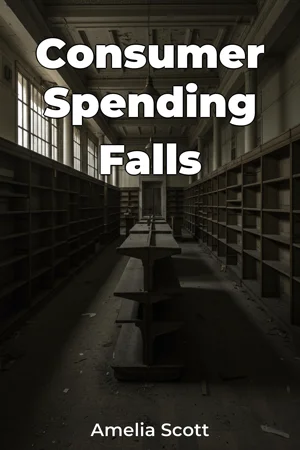
What if the foundation of a nation's economic stability crumbled not from a cataclysmic event, but from the everyday choices of its citizens? "Consumer Spending Falls" delves into the precipitous 40% decline in U.S. household expenditure during the early 1930s, a key factor in the Great Depression. This book examines not just the economic figures, but the human stories behind them, exploring the intricate relationship between consumer behavior, economic policy, and societal well-being. Understanding the dynamics of this period is crucial for comprehending modern economic vulnerabilities and developing strategies to mitigate future crises. At the core of this analysis are three main topics: the psychology of consumer confidence, the impact of government intervention (or lack thereof), and the long-term consequences of austerity on economic recovery. These themes are important because they provide a multi-faceted view of the Depression, moving beyond simple explanations of market failure. The book provides crucial context by examining pre-Depression economic policies, societal attitudes towards debt and saving, and global economic conditions that amplified the crisis in the United States. Readers should ideally possess a basic understanding of economic principles such as supply and demand, inflation, and monetary policy, although these concepts will be clearly explained. The central argument posits that the dramatic drop in consumer spending was not solely a consequence of unemployment and reduced income, but also a driver of the Depression's severity and duration. Fear of future economic instability, coupled with a lack of effective government support and misinformation, created a self-fulfilling prophecy of economic collapse and the book provides evidence and examples supporting this argument. This argument is significant because it challenges traditional interpretations that focus exclusively on the stock market crash or failures in the banking system, highlighting the critical role of consumer behavior. The book begins by introducing the economic context of the late 1920s, emphasizing the unsustainable levels of debt and speculation. It then dedicates a section to the unraveling of consumer confidence, exploring how events like bank failures and rising unemployment affected spending habits and savings rates. The book examines the impact of Hoover’s policies, specifically addressing the debate on whether these policies exacerbated or mitigated the consumer spending decline. A detailed analysis of regional variations in spending patterns is provided, highlighting the unequal distribution of wealth and the disproportionate impact on certain communities. Finally, the book concludes by drawing parallels between the spending patterns of the Great Depression and contemporary economic challenges, offering policy recommendations for fostering consumer confidence and sustainable economic growth. The arguments presented are supported by extensive archival research, including government documents, personal letters, and business records from the 1930s. The book also incorporates econometric analysis of historical data on consumer spending, income, and employment rates. This blends qualitative and quantitative methods to provide a robust and nuanced understanding of the period. The analysis connects economics with history and psychology. By examining the historical context of economic policies, the book sheds light on the long-term consequences of decisions made during the Depression era. The inclusion of psychological insights into consumer behavior adds a layer of depth to the purely economic analyses that dominate the field. The unique approach lies in its emphasis on the bidirectional relationship between consumer sentiment and economic outcomes, arguing that consumer confidence is not just a reflection of economic conditions but also an active force shaping them. The tone is academic but accessible, aiming to engage both scholars and general readers interested in economic history and policy. The target audience includes economists, historians, policymakers, and anyone seeking a deeper knowledge of the Great Depression and its relevance to modern economic challenges. As a work of economic history, the book adheres to the standards of rigorous research and balanced analysis, while also incorporating narrative elements to bring the historical context to life. While the book focuses primarily on the United States, it acknowledges the global context of the Depression and its impact on international trade and finance, though it does not delve into the details of each country's experience. The lessons drawn from this historical analysis can be applied to contemporary issues such as recession prevention, economic stimulus, and strategies for managing consumer debt. The book acknowledges ongoing debates regarding the causes of the Great Depression and the effectiveness of various policy responses, presenting a balanced perspective on these controversies.
What if the foundation of a nation's economic stability crumbled not from a cataclysmic event, but from the everyday choices of its citizens? "Consumer Spending Falls" delves into the precipitous 40% decline in U.S. household expenditure during the early 1930s, a key factor in the Great Depression. This book examines not just the economic figures, but the human stories behind them, exploring the intricate relationship between consumer behavior, economic policy, and societal well-being. Understanding the dynamics of this period is crucial for comprehending modern economic vulnerabilities and developing strategies to mitigate future crises. At the core of this analysis are three main topics: the psychology of consumer confidence, the impact of government intervention (or lack thereof), and the long-term consequences of austerity on economic recovery. These themes are important because they provide a multi-faceted view of the Depression, moving beyond simple explanations of market failure. The book provides crucial context by examining pre-Depression economic policies, societal attitudes towards debt and saving, and global economic conditions that amplified the crisis in the United States. Readers should ideally possess a basic understanding of economic principles such as supply and demand, inflation, and monetary policy, although these concepts will be clearly explained. The central argument posits that the dramatic drop in consumer spending was not solely a consequence of unemployment and reduced income, but also a driver of the Depression's severity and duration. Fear of future economic instability, coupled with a lack of effective government support and misinformation, created a self-fulfilling prophecy of economic collapse and the book provides evidence and examples supporting this argument. This argument is significant because it challenges traditional interpretations that focus exclusively on the stock market crash or failures in the banking system, highlighting the critical role of consumer behavior. The book begins by introducing the economic context of the late 1920s, emphasizing the unsustainable levels of debt and speculation. It then dedicates a section to the unraveling of consumer confidence, exploring how events like bank failures and rising unemployment affected spending habits and savings rates. The book examines the impact of Hoover’s policies, specifically addressing the debate on whether these policies exacerbated or mitigated the consumer spending decline. A detailed analysis of regional variations in spending patterns is provided, highlighting the unequal distribution of wealth and the disproportionate impact on certain communities. Finally, the book concludes by drawing parallels between the spending patterns of the Great Depression and contemporary economic challenges, offering policy recommendations for fostering consumer confidence and sustainable economic growth. The arguments presented are supported by extensive archival research, including government documents, personal letters, and business records from the 1930s. The book also incorporates econometric analysis of historical data on consumer spending, income, and employment rates. This blends qualitative and quantitative methods to provide a robust and nuanced understanding of the period. The analysis connects economics with history and psychology. By examining the historical context of economic policies, the book sheds light on the long-term consequences of decisions made during the Depression era. The inclusion of psychological insights into consumer behavior adds a layer of depth to the purely economic analyses that dominate the field. The unique approach lies in its emphasis on the bidirectional relationship between consumer sentiment and economic outcomes, arguing that consumer confidence is not just a reflection of economic conditions but also an active force shaping them. The tone is academic but accessible, aiming to engage both scholars and general readers interested in economic history and policy. The target audience includes economists, historians, policymakers, and anyone seeking a deeper knowledge of the Great Depression and its relevance to modern economic challenges. As a work of economic history, the book adheres to the standards of rigorous research and balanced analysis, while also incorporating narrative elements to bring the historical context to life. While the book focuses primarily on the United States, it acknowledges the global context of the Depression and its impact on international trade and finance, though it does not delve into the details of each country's experience. The lessons drawn from this historical analysis can be applied to contemporary issues such as recession prevention, economic stimulus, and strategies for managing consumer debt. The book acknowledges ongoing debates regarding the causes of the Great Depression and the effectiveness of various policy responses, presenting a balanced perspective on these controversies.
"Consumer Spending Falls" explores the drastic 40% drop in U.S. household expenditure during the Great Depression, arguing that this decline was a key driver of the economic crisis. It examines this period through consumer behavior, economic policy, and societal well-being. Uniquely, it highlights the bidirectional relationship between consumer sentiment and economic outcomes, demonstrating that consumer confidence actively shapes economic conditions. The book reveals intriguing insights, such as how fear of economic instability, coupled with inadequate government support, fueled a self-fulfilling prophecy of economic collapse. It further emphasizes how the dramatic decline in spending was not solely a consequence of unemployment but also a contributing factor to the Depression's severity. The book adopts a multi-faceted approach, delving into the psychology of consumer confidence, the impact of government intervention, and the long-term consequences of austerity. It begins by setting the economic context of the late 1920s, emphasizing unsustainable debt levels, and then explores the unraveling of consumer confidence following bank failures and rising unemployment. Through archival research and econometric analysis, the book provides a nuanced understanding of the 1930s, particularly focusing on recession prevention. Finally, it draws parallels between historical spending patterns and modern economic challenges, offering policy recommendations for fostering consumer confidence and sustainable economic growth.
Book Details
ISBN
9788235228857
Publisher
Publifye AS
Your Licenses
You don't own any licenses for this book
Purchase a license below to unlock this book and download the EPUB.
Purchase License
Select a tier to unlock this book
Need bulk licensing?
Contact us for enterprise agreements.